
Why do oil reserve estimates vary so widely?
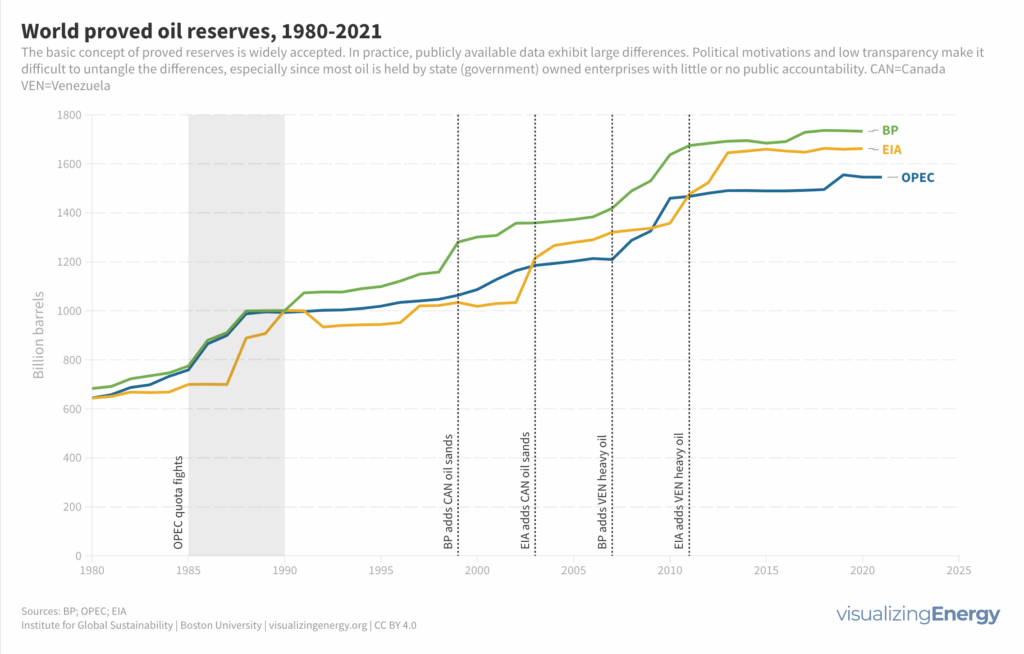
Oil reserve estimates vary widely due to the challenges of accurately assessing oil deposits deep underground. Factors such as limited transparency, varying methodologies, and political influences contribute to the disagreements. Efforts are needed to align reserve estimates with climate goals and ensure transparency in reporting.
How do people in Nigeria and Ghana experience energy insecurity?
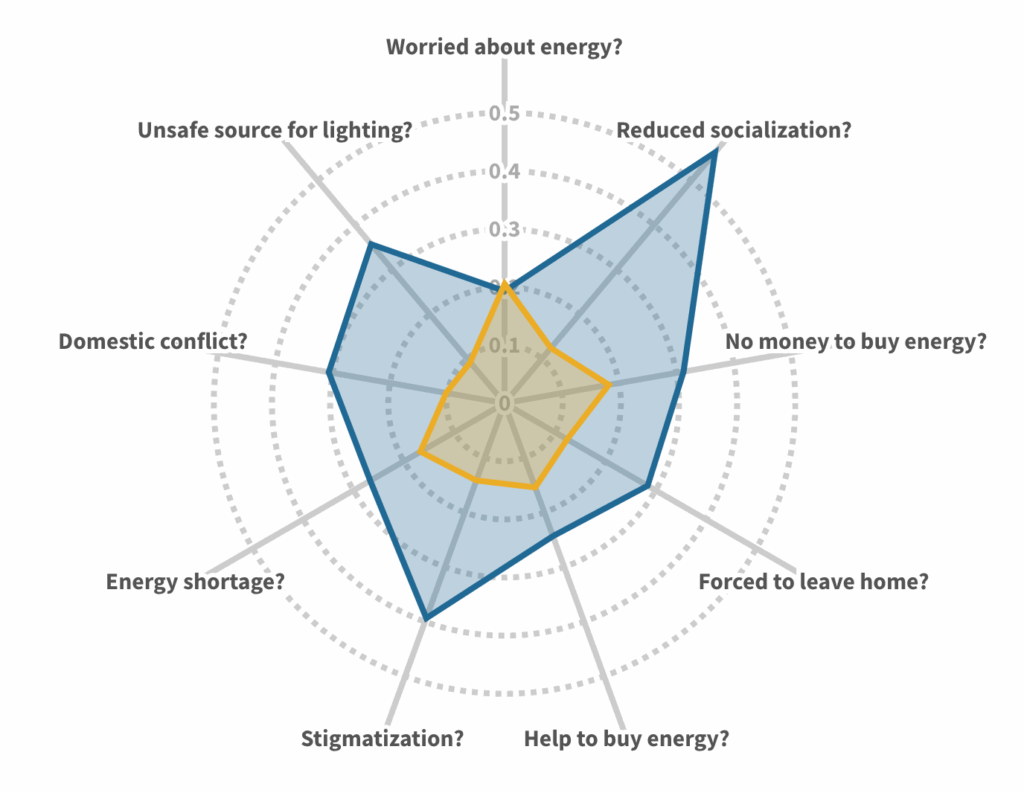
Energy insecurity in Nigeria and Ghana is a pressing issue, with challenges in accessing affordable and clean energy. Nigerians face more severe experiences, including social exclusion, while Ghanaians deal with payment responsibilities and cooking methods. Addressing these issues is crucial for improving energy access in both countries.
Can releases from the Strategic Petroleum Reserve lower energy prices?
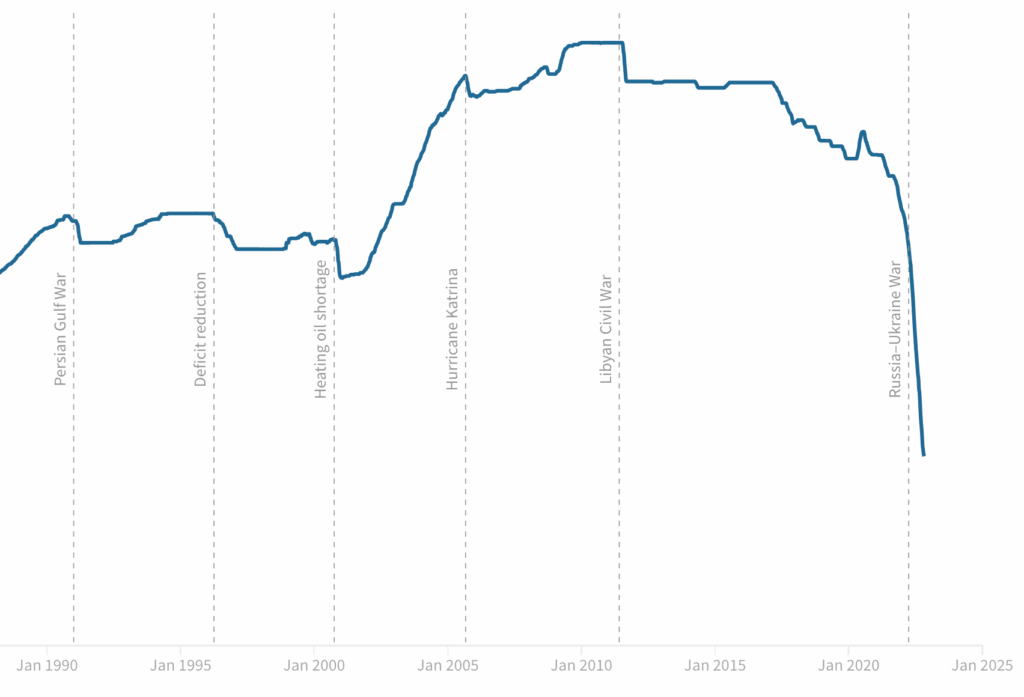
President Biden authorized the release of 180 million barrels of crude oil from the Strategic Petroleum Reserve to lower gasoline prices amid the Russia-Ukraine War. While previous releases had modest effects, the magnitude of this release is significant. Estimates suggest a reduction of $0.15 to $0.38 per gallon at the pump.
How did fracking transform the world energy landscape?
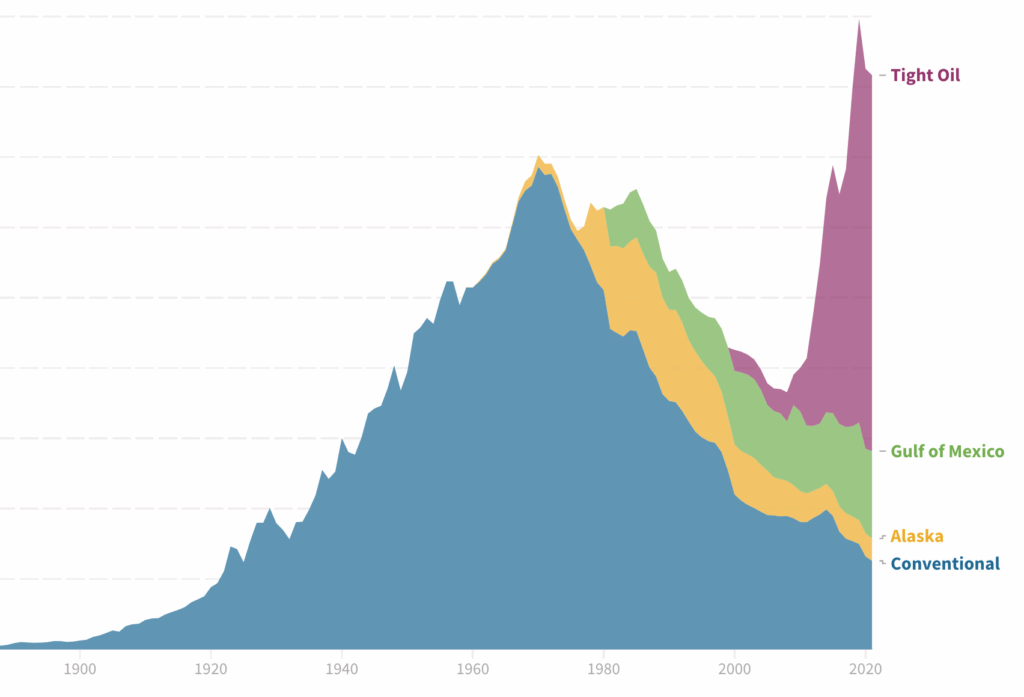
Fracking transformed the world energy landscape by unlocking untapped oil and gas resources. It led to increased domestic production, reduced import dependence, and stimulated economic growth. However, concerns have been raised about its environmental and health impacts, and its contribution to carbon emissions.
Does more energy use increase life expectancy?
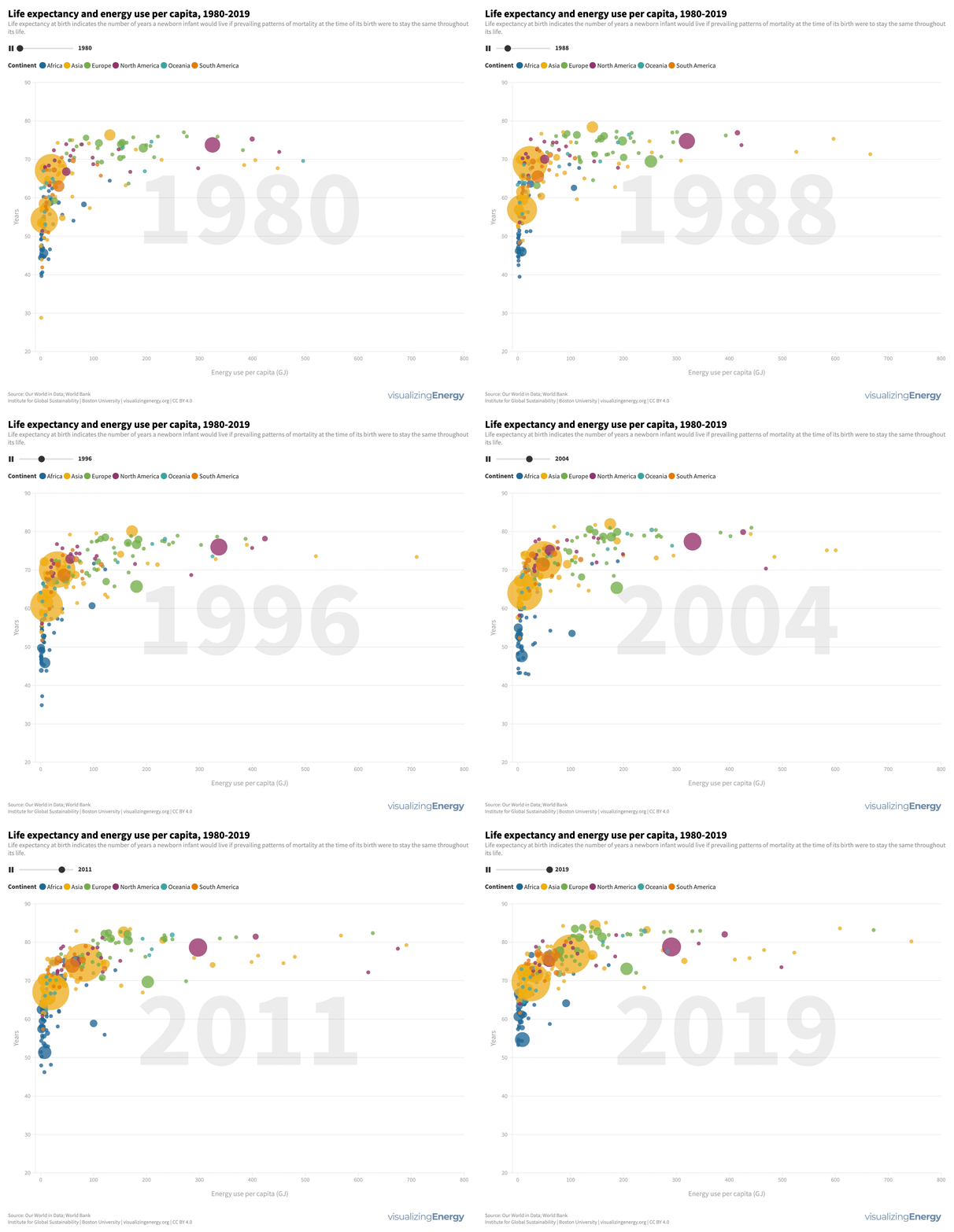
Energy use influences life expectancy. Access to energy services improves well-being and extends lifespan, while deprivation has the opposite effect. Modest energy increases positively impact longevity, especially in low-energy regions. However, beyond a certain point, additional energy use has diminishing returns for life expectancy.
Where is new geothermal power in the world being built?
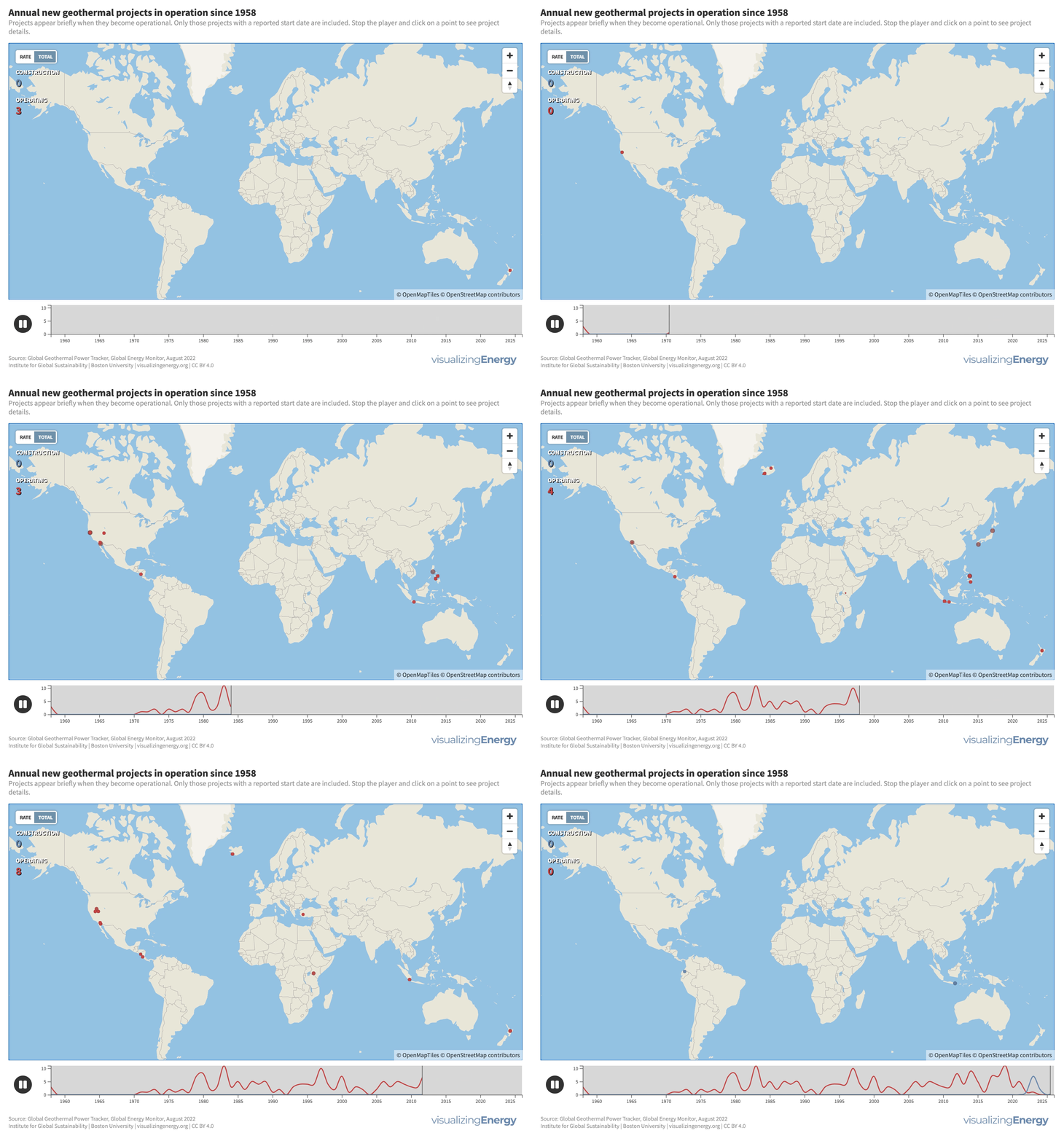
Geothermal power has a long history, with Native Americans and ancient civilizations like the Greeks and Romans utilizing its benefits. Today, countries such as the United States, Indonesia, the Philippines, Turkey, and New Zealand are leading the way in building new geothermal power projects to harness clean and sustainable energy from the Earth’s heat.
Where is new solar power in the world being built?
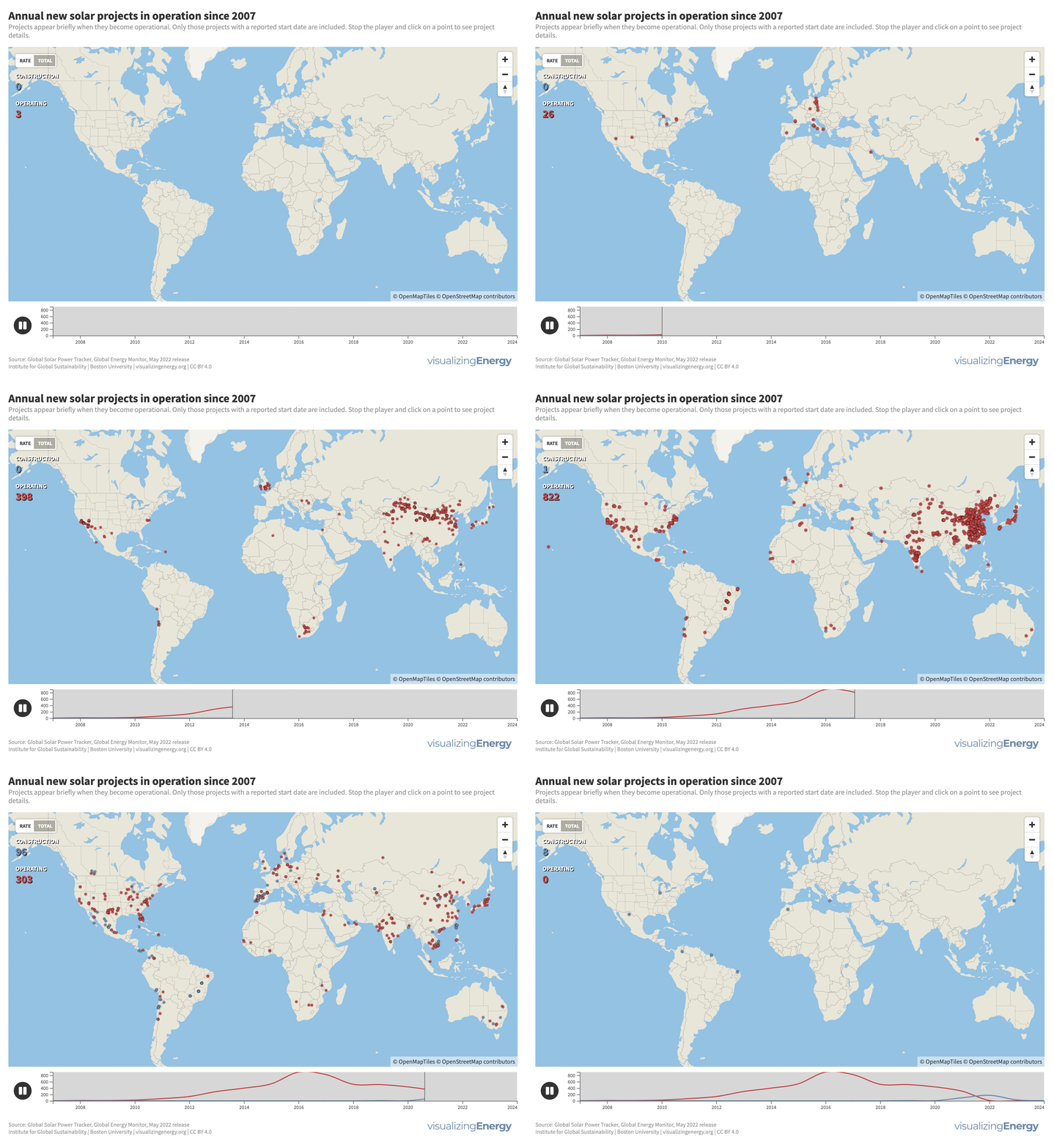
Countries worldwide, including Germany, Spain, China, the United States, and others, are rapidly expanding their solar power infrastructure. China has been a particularly prominent player, contributing nearly one-third of new capacity additions.
Can global poverty be eliminated with more energy use?
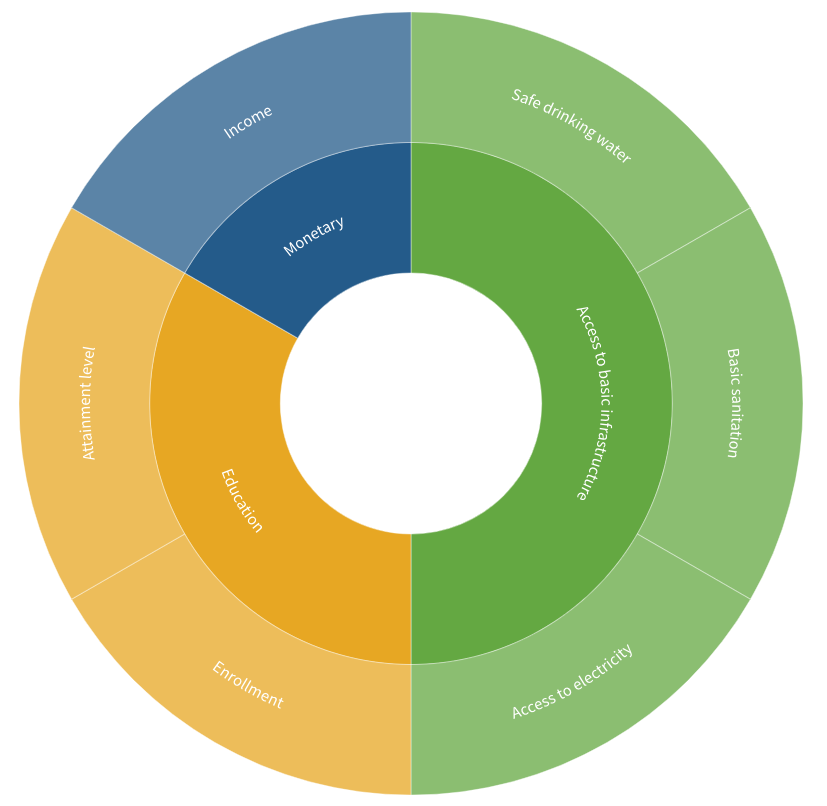
Increased energy use per capita is linked to decreased poverty rates. Modest energy increases can lead to significant poverty reduction, but the relationship is not always linear. Factors like governance and social policies also influence poverty levels. Beyond a certain threshold, further energy increases have diminishing returns.
Is the United States government doing enough to reduce energy poverty?
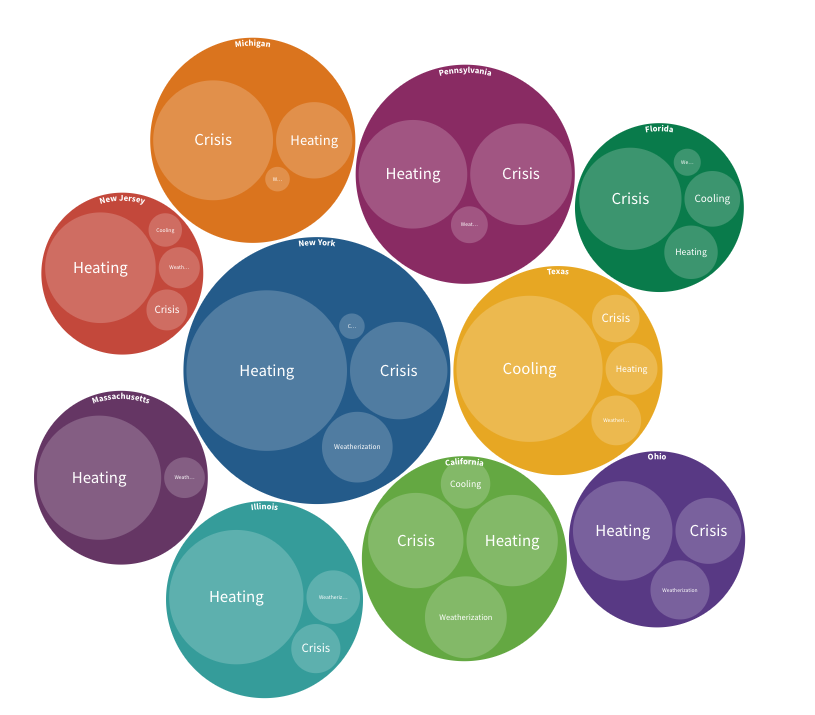
Energy poverty is a significant concern in the United States, with over one in four households experiencing insecurity. Government programs like LIHEAP and WAP aim to address this issue, but funding levels often fall short of the need. A more comprehensive approach is necessary, considering the impact on well-being and addressing racial and socioeconomic disparities.
Has Renew Boston Trust improved energy efficiency and reduced emissions?
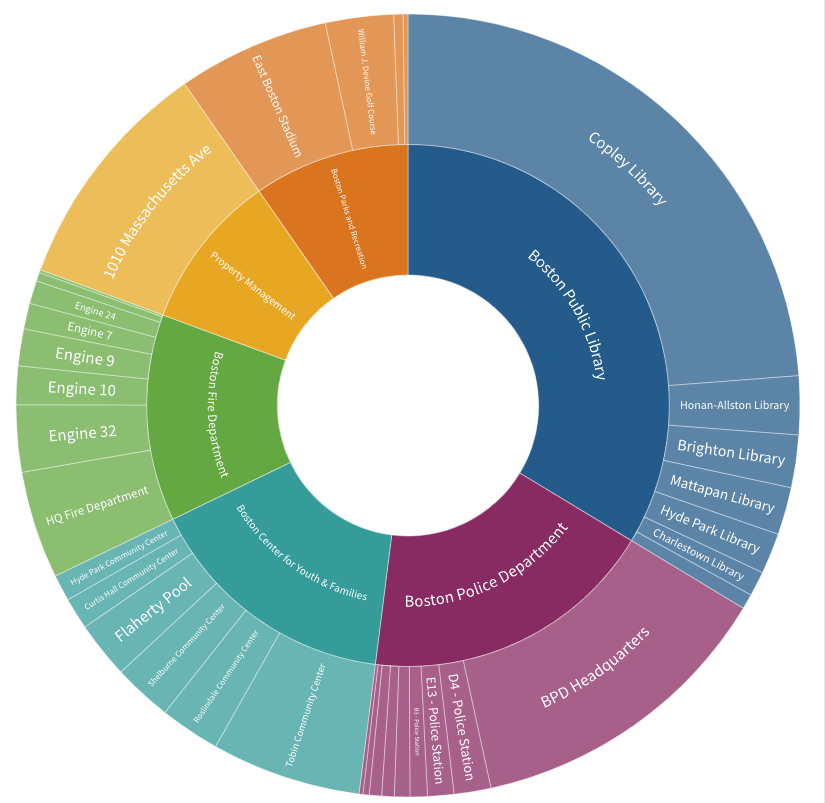
Renew Boston Trust is a program launched by the City of Boston to improve energy efficiency in municipal buildings. By implementing energy conservation measures, such as lighting upgrades and weatherization, the program aims to reduce energy use and lower greenhouse gas emissions