
What methods of electricity generation use the most water?
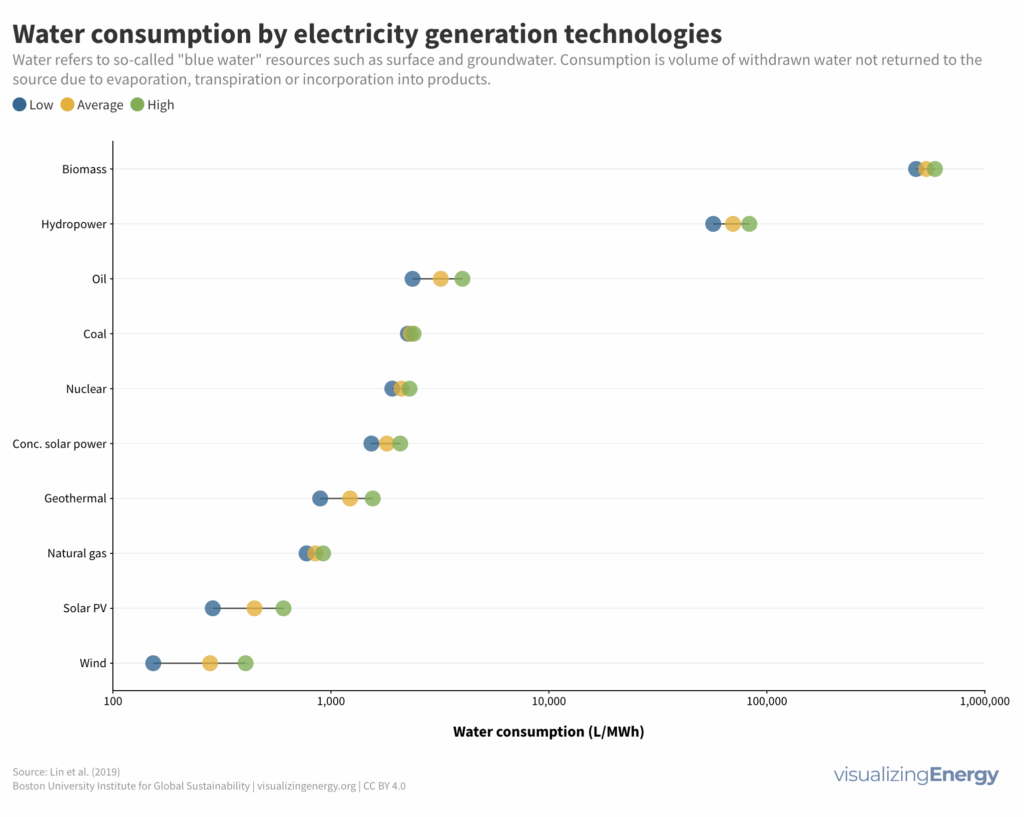
In the twentieth century, global energy use grew tenfold, and global water use grew sixfold. Population growth and rising affluence are expected to drive continued increases in the demand for energy and water. The water-energy nexus refers to the fact that the production and consumption of water and energy are closely interconnected. All forms of […]
Why are gasoline prices lower in oil-exporting countries?
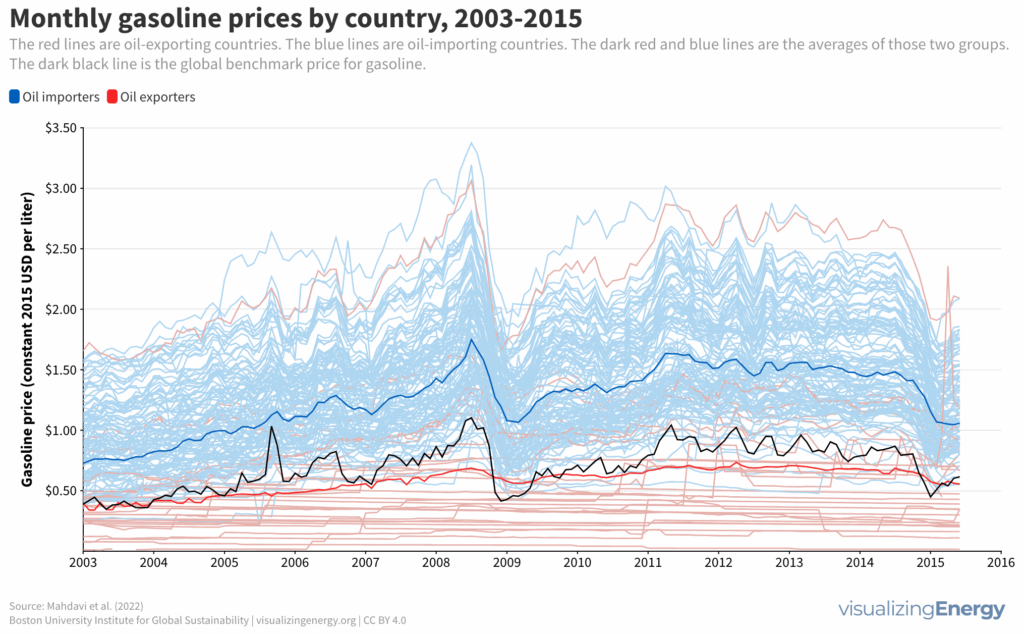
Government policies significantly influence gasoline prices, leading to disparities across countries. Most nations tax gasoline, while some subsidize it, especially oil exporters. Higher income countries typically impose steeper gasoline taxes to harness revenue. There’s a growing call to reduce fossil fuel subsidies to curtail greenhouse gas emissions, advocating for carbon pricing to promote clean technology.
Which banks fund upstream oil and gas?
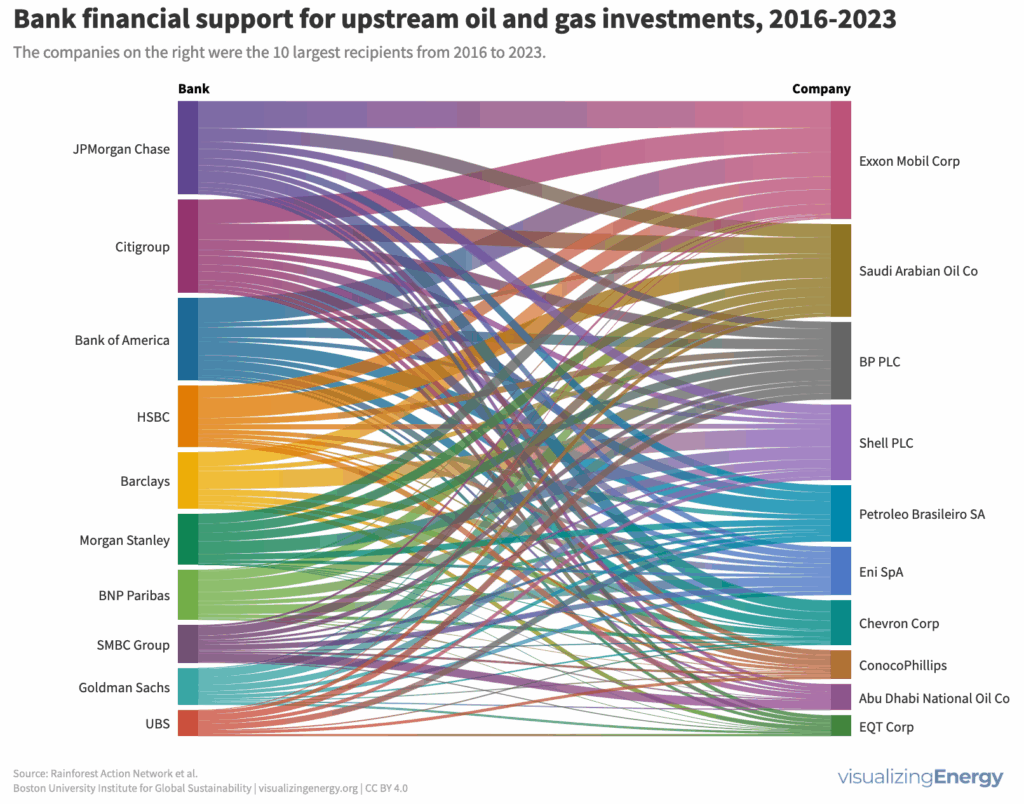
Global oil and gas consumption increased by 14% from 2013 to 2023, posing a challenge to limiting global warming. JP Morgan Chase led in financing upstream oil and gas activities, providing over USD 67 billion to various companies. Concerns were raised about banks’ commitment to reaching net zero emissions and prioritizing policies allowing the purchase of carbon offsets, which may promote greenwashing. Some oil and gas companies have weakened their commitments to reduce investment in upstream projects.
The history of oil production in the United States
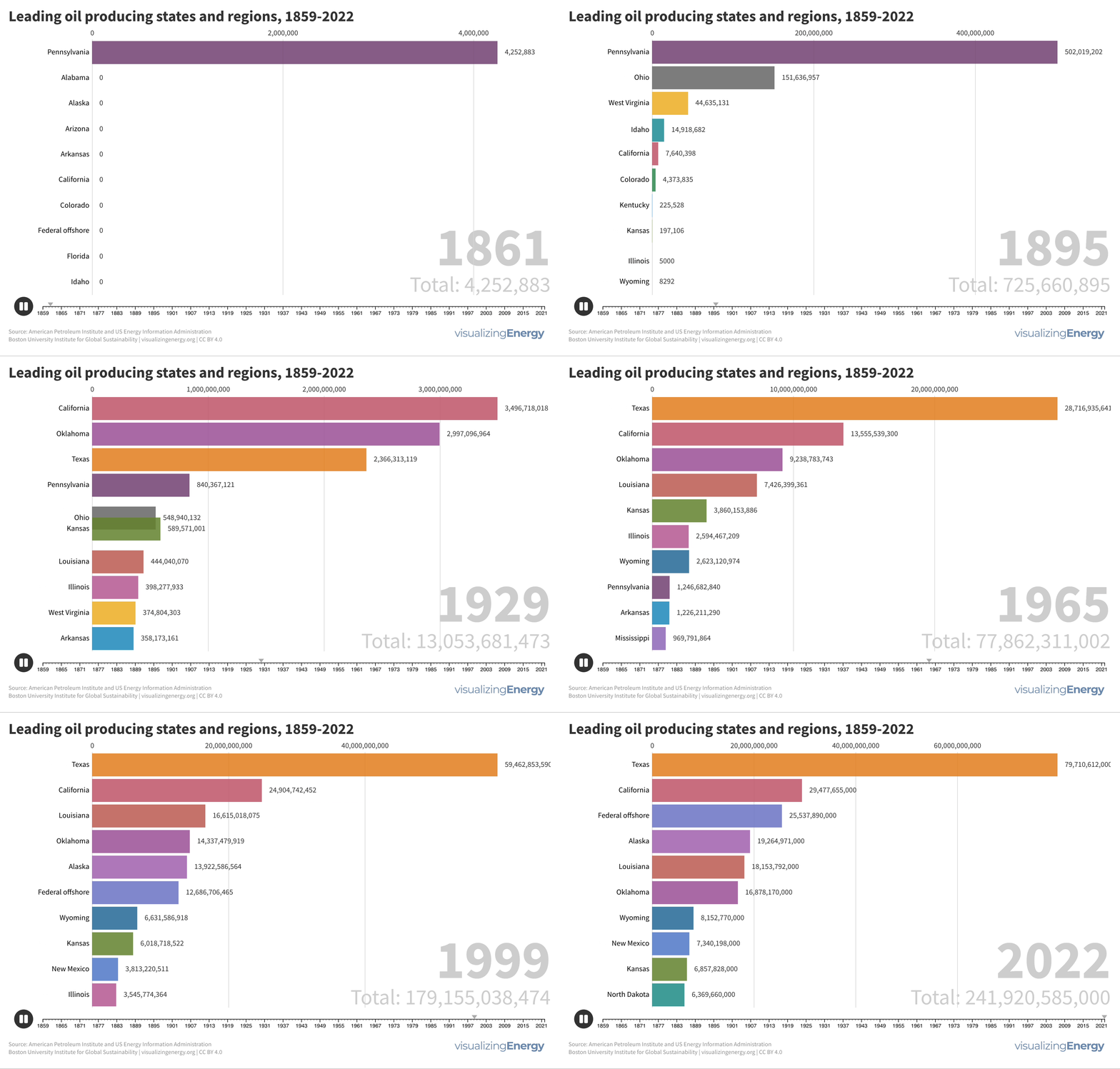
The United States has played a significant role in global oil production, contributing 17% since 1900, with Texas being a major player, accounting for one-third of the nation’s oil production. Technological advancements like hydraulic fracturing and horizontal drilling led to record U.S. oil production in the 2010s, making the country the world’s largest oil producer and a net oil exporter.
Ethanol in the United States
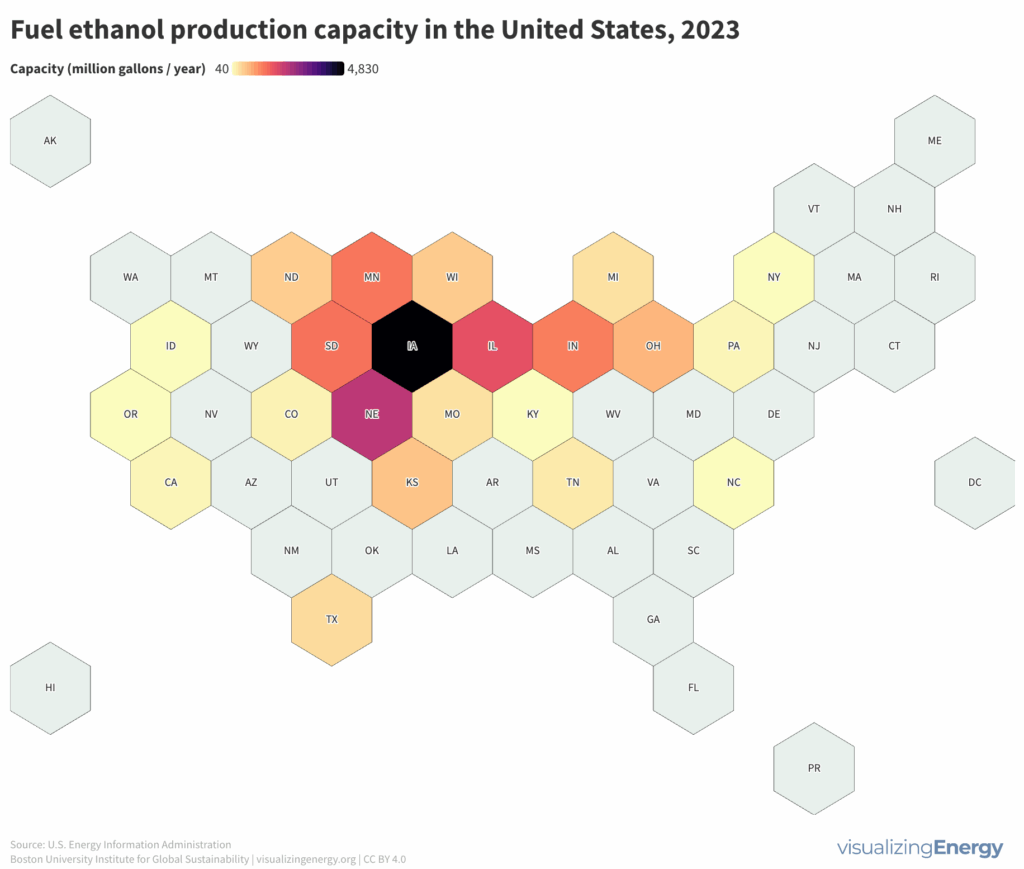
Henry Ford’s early vehicles ran on ethanol, which became commercially significant in the 1970s after the phase-out of lead in gasoline. Ethanol blending has been supported by various government policies, including tax incentives and the Renewable Fuel Standard. Ethanol production surged, particularly in the Midwest, driven by high corn production. While ethanol offers economic and environmental benefits, it also raises concerns about environmental impacts and the efficacy of subsidies. Changes in ethanol demand significantly affect corn prices and agricultural practices.
Explore the solid biomass resources of the United States
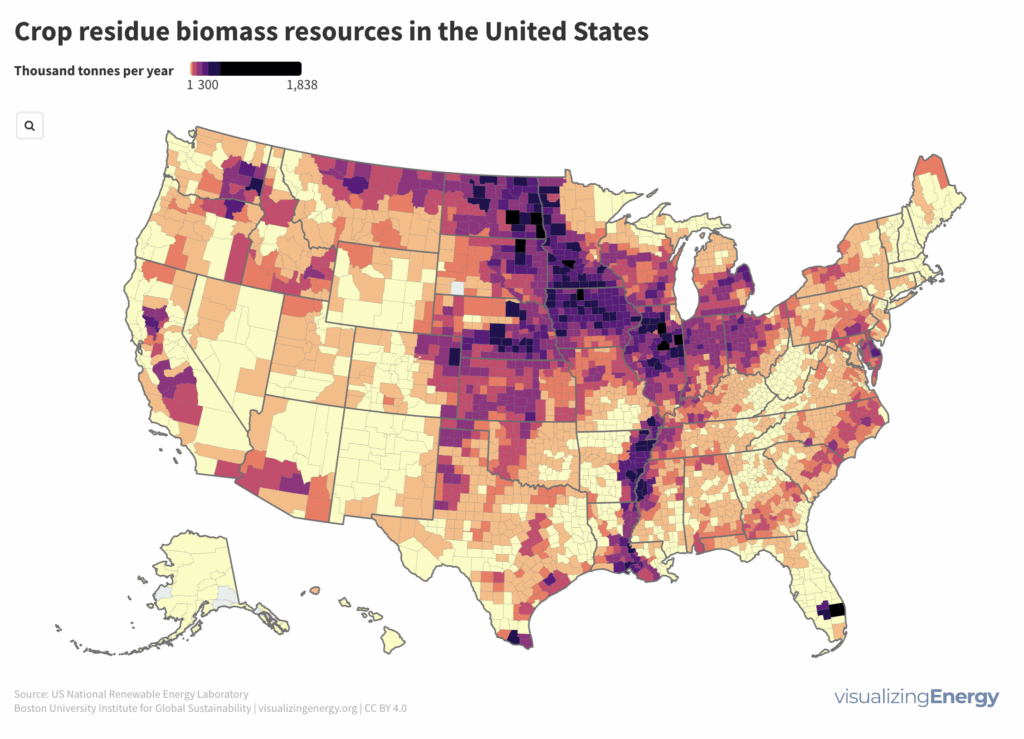
Biomass, derived from plants and animals, is a renewable energy source. The National Renewable Energy Laboratory mapped biomass resources in the US, including crop residues, forest residues, primary and secondary mill residues, and urban wood waste. These resources are used for heat, electricity, and fuel production. The maps offer county-level data for these resources.
What renewable fuels have the largest climate benefit?
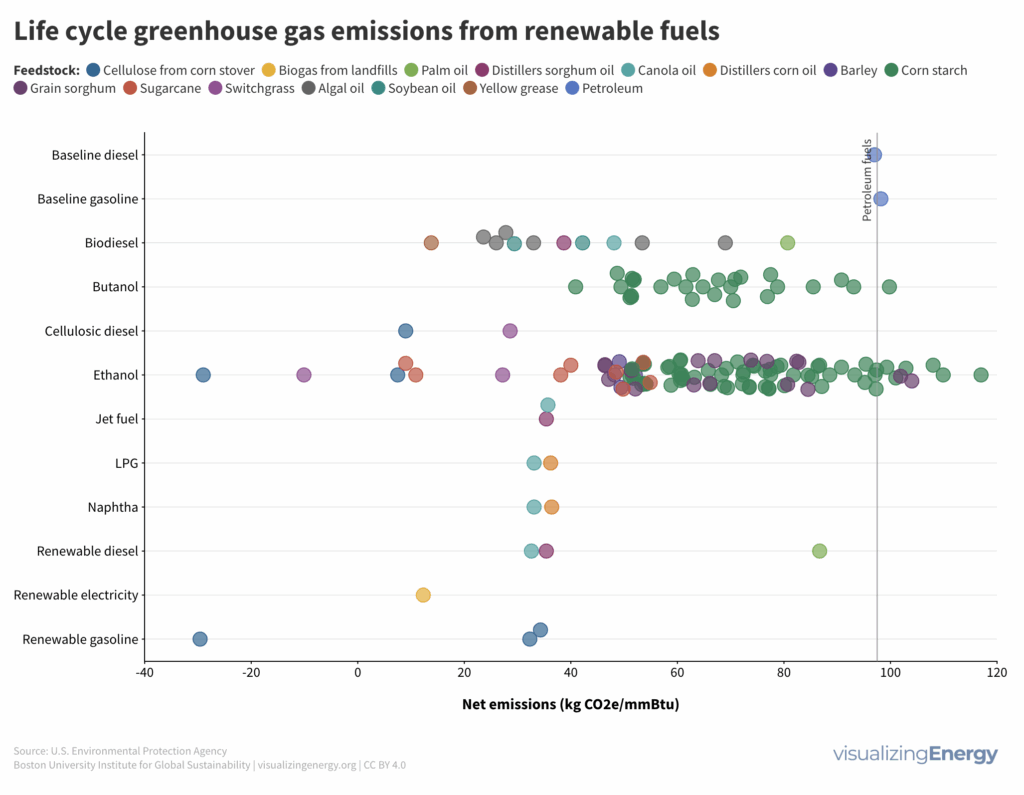
Approximately 91% of transportation energy globally comes from petroleum fuels, creating 29% of US and 20% of global greenhouse gas emissions. Biofuels offer potential emission reductions but raise land use concerns. Ethanol’s carbon emissions have decreased, and ongoing research aims to further reduce them. Government support and investments are driving biofuel expansion.
Explore renewable fuels in the United States
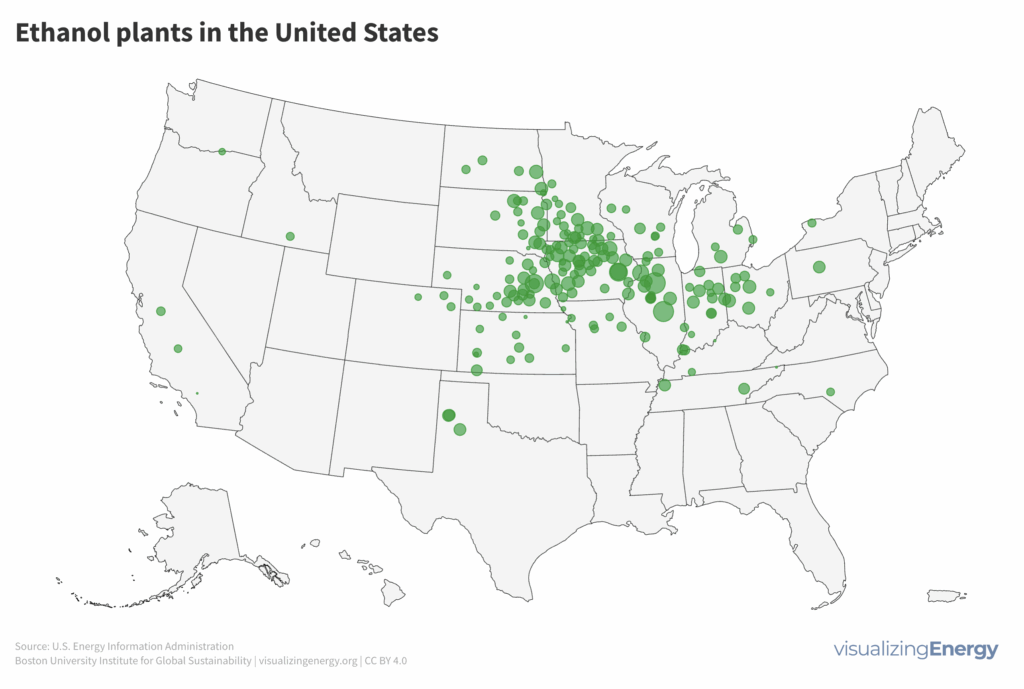
In the United States, ethanol is mainly produced in the Midwest from corn, with Iowa, Nebraska, and Illinois leading in capacity. Ethanol is used as a fuel additive, with E85 being a high-level ethanol-gasoline blend used in flex-fuel vehicles. Biodiesel, made from vegetable oils and animal fats, is mainly produced in states with these feedstocks. Renewable diesel, chemically identical to petroleum diesel, is primarily used in California to meet emissions regulations.
What U.S. states have the highest fuel taxes?
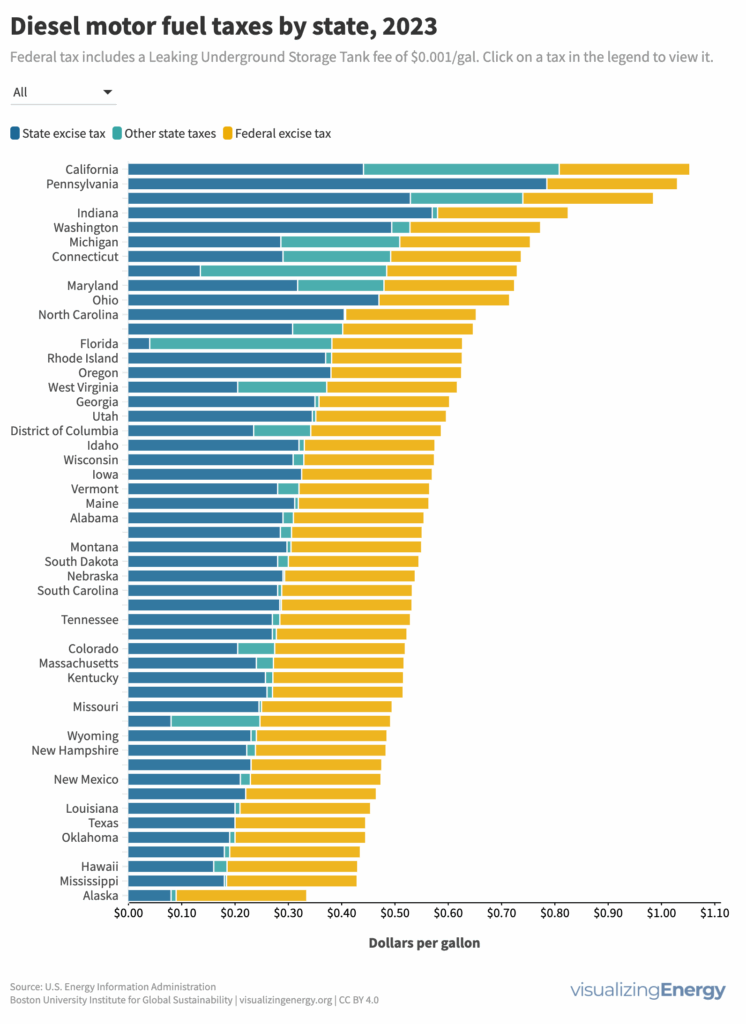
Americans closely monitor gasoline prices, viewing them as indicators of leaders’ success, economic health, and environmental policy effectiveness. The price of crude oil largely influences gas prices, yet federal and state taxes play a significant role. These taxes, popular due to revenue generation, heavily fund highway and mass transit spending.
Natural gas sales in the United States
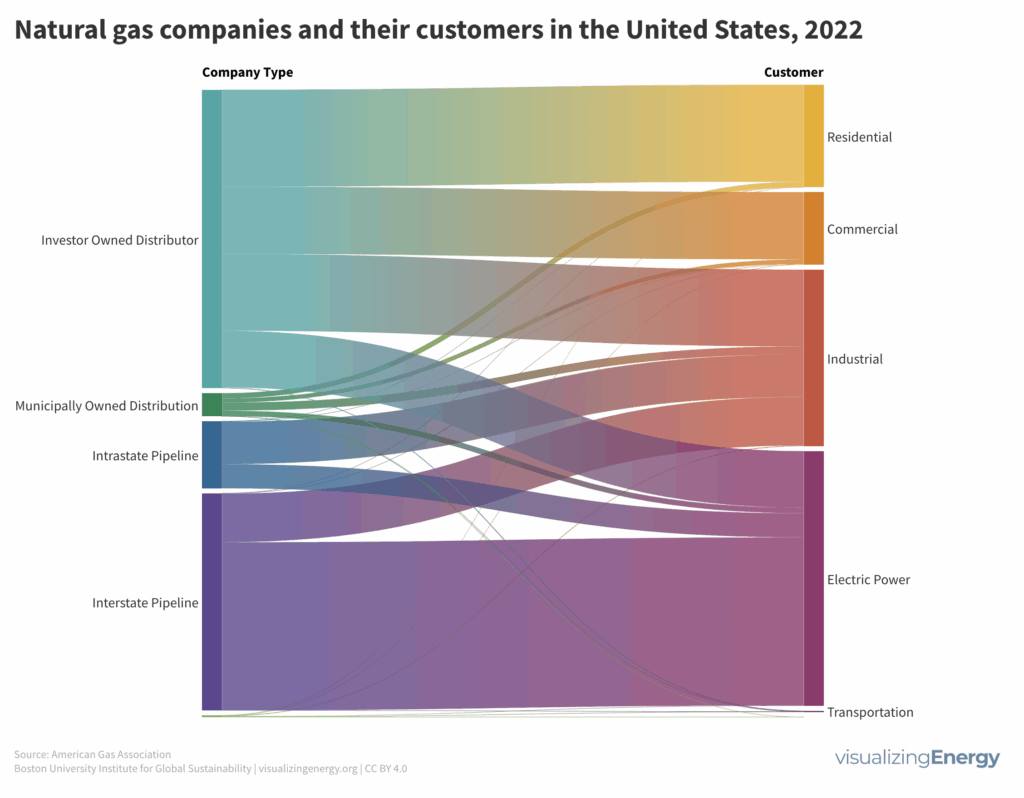
In 2022, the US consumed 32 trillion cubic feet of natural gas, the highest level in 30 years due to increased fracking. Efforts towards carbon-neutral energy may reduce demand, as residential use is gradually being replaced by electrical alternatives. However, industrial demand is anticipated to remain strong in the near term.