
Can releases from the Strategic Petroleum Reserve lower energy prices?
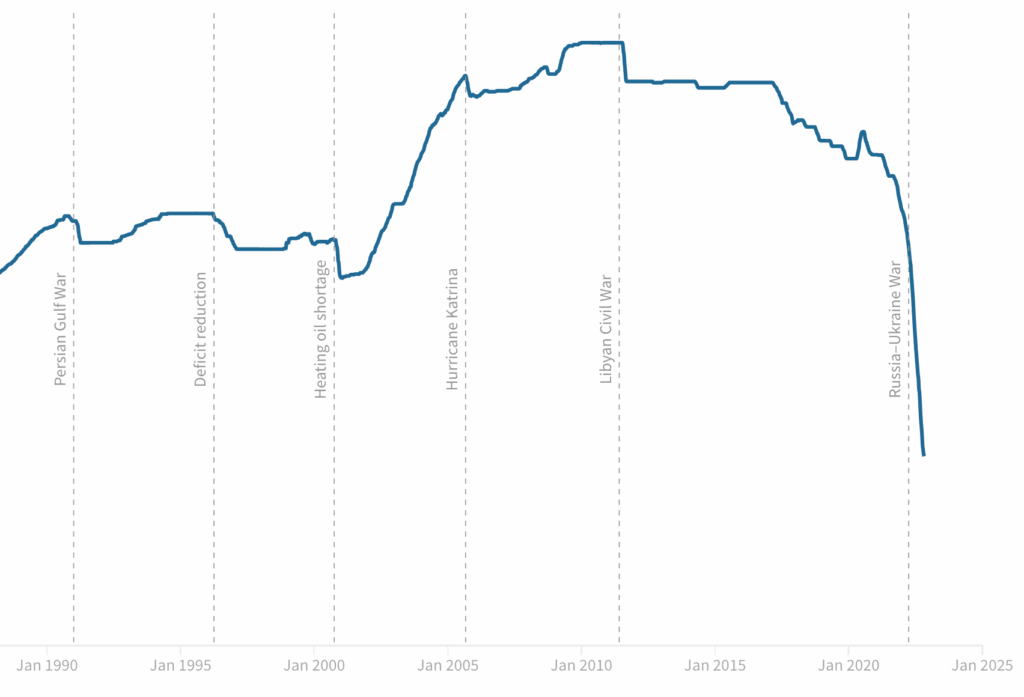
President Biden authorized the release of 180 million barrels of crude oil from the Strategic Petroleum Reserve to lower gasoline prices amid the Russia-Ukraine War. While previous releases had modest effects, the magnitude of this release is significant. Estimates suggest a reduction of $0.15 to $0.38 per gallon at the pump.
Who has a high energy burden in the United States?
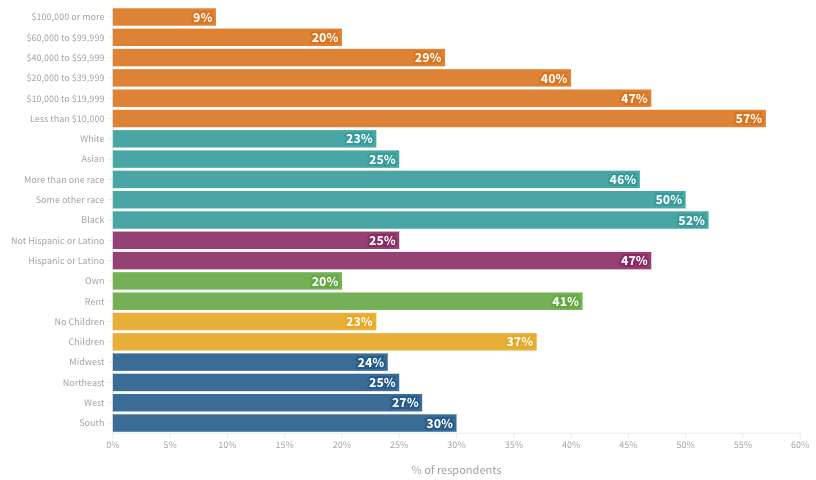
Many US households, particularly low-income, minority, and renting households, face a high energy burden, spending a significant portion of their income on fuel and electricity. In 2020, 27% of households reported difficulty paying energy bills. Federal programs provide some relief, but addressing the underlying causes of social inequity is crucial for long-term energy security.
What is prosperity and how is it related to energy use?
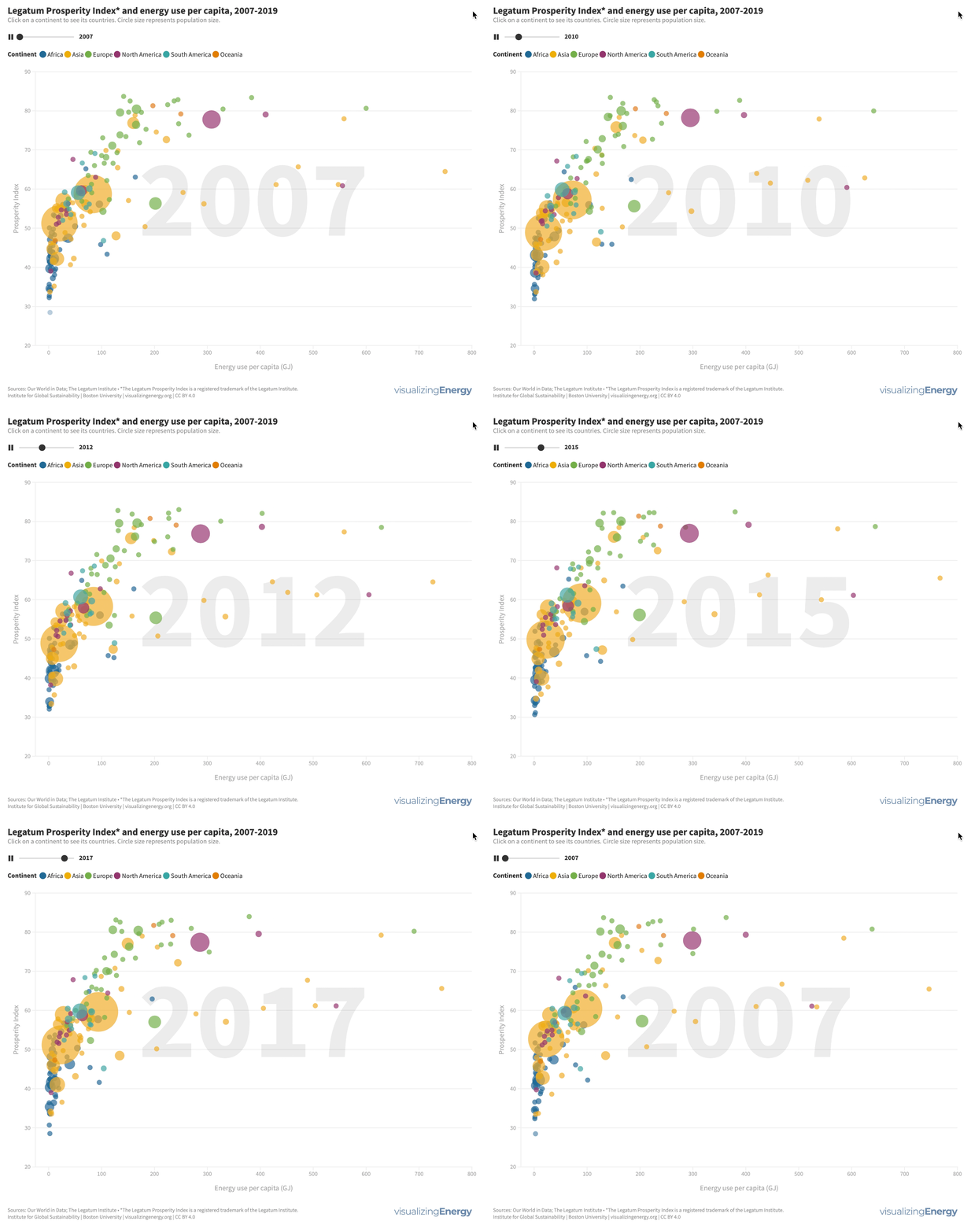
While energy use is connected to prosperity, the relationship is not linear. Different countries achieve varying levels of prosperity at the same energy use per capita, and there are diminishing returns where increased energy use results in smaller improvements in prosperity. High levels of prosperity can be achieved with lower energy consumption.
How has the COVID-19 pandemic affected energy insecurity in the United States?
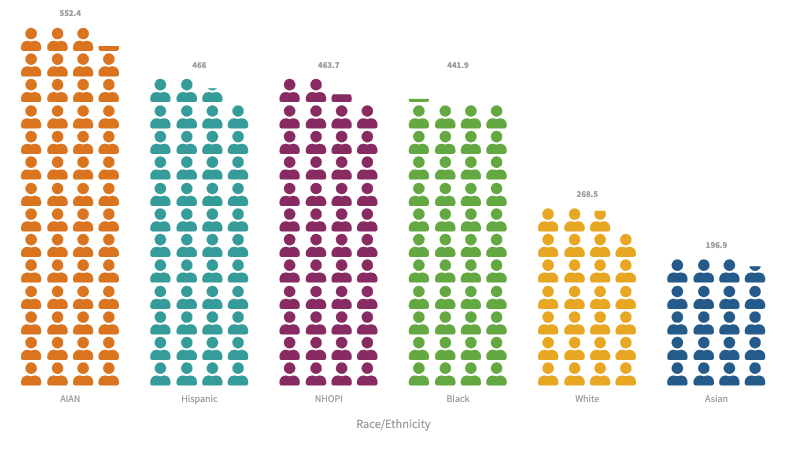
The COVID-19 pandemic worsened energy insecurity in the US, particularly for vulnerable populations. Prior to the pandemic, around 25% of low-income households struggled to pay energy bills, but during the early months of the pandemic, nearly 13% couldn’t afford them. Racial and ethnic disparities were exacerbated, with Black and Hispanic households facing higher odds of disconnection