
Seventy-five years of world uranium production and resources
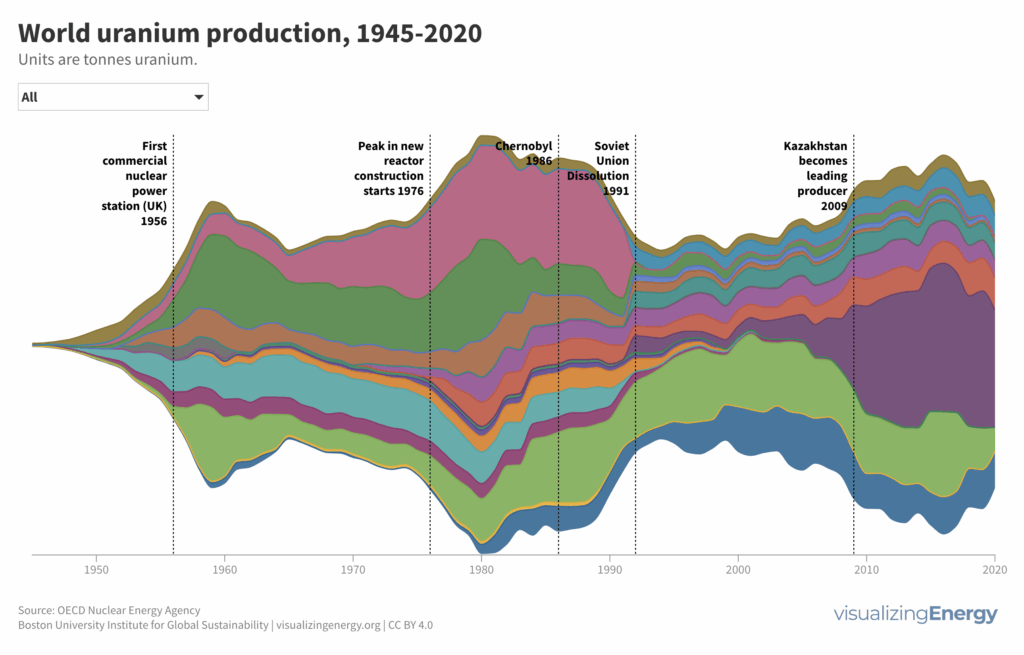
Uranium is crucial for nuclear power generation, supplying 10% of global electricity. The largest recoverable uranium resources are held by Australia, Kazakhstan, Canada, Russia, and Namibia. Major uranium consumers rely on imports due to limited domestic production, leading to significant international trade in uranium products.
Where in the United States is the net carbon benefit of direct air capture the greatest?
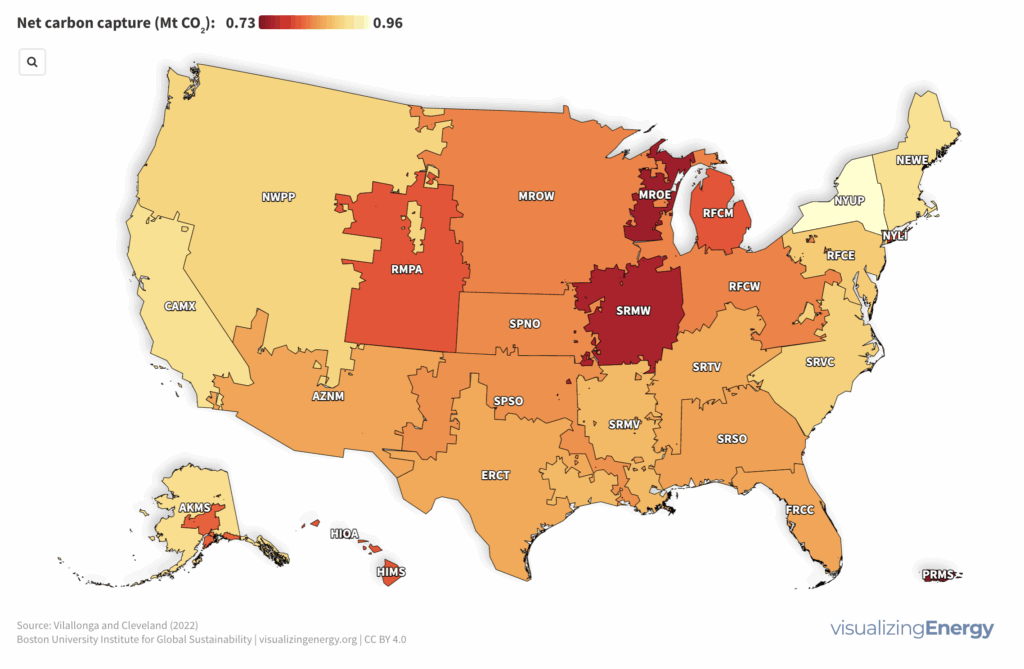
Direct Air Capture and Storage (DACCS) systems, which remove CO2 from the atmosphere, offer a significant carbon benefit depending on the energy mix of the regional grid. The greatest carbon benefit is achieved when DAC processes utilize zero-carbon sources like renewables and nuclear power. The ongoing decarbonization of the grid in most regions of the United States supports the effectiveness of DAC and electrification technologies.
What is the status of women in the global solar PV industry?
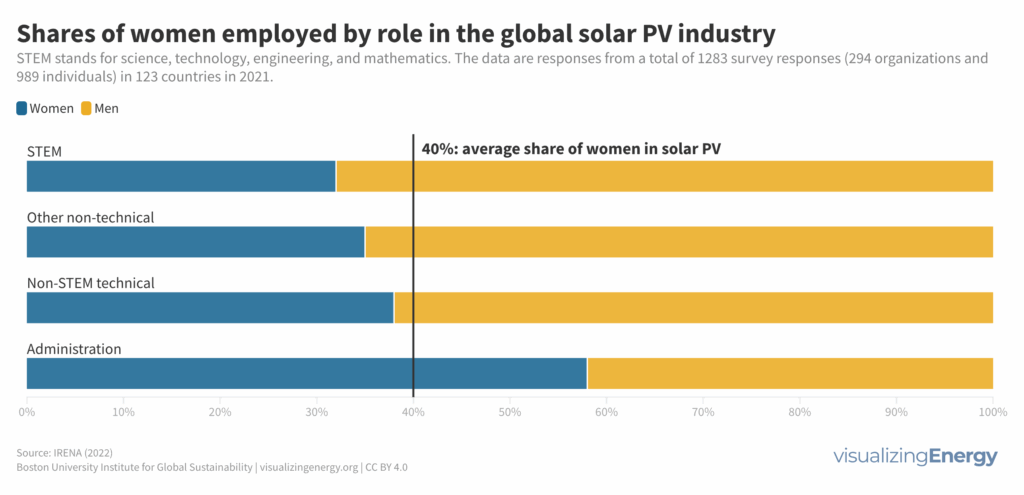
Women represent 40% of the global solar photovoltaic (PV) workforce, double the share in the wind industry and oil and gas sector. However, they are mainly in administrative and non-STEM technical positions, with underrepresentation in STEM and senior management roles. Gender bias and barriers to recruitment, advancement, and work-life balance exist in the industry, with women reporting higher perception of pay gaps and barriers.
Coal mine superemitters of methane
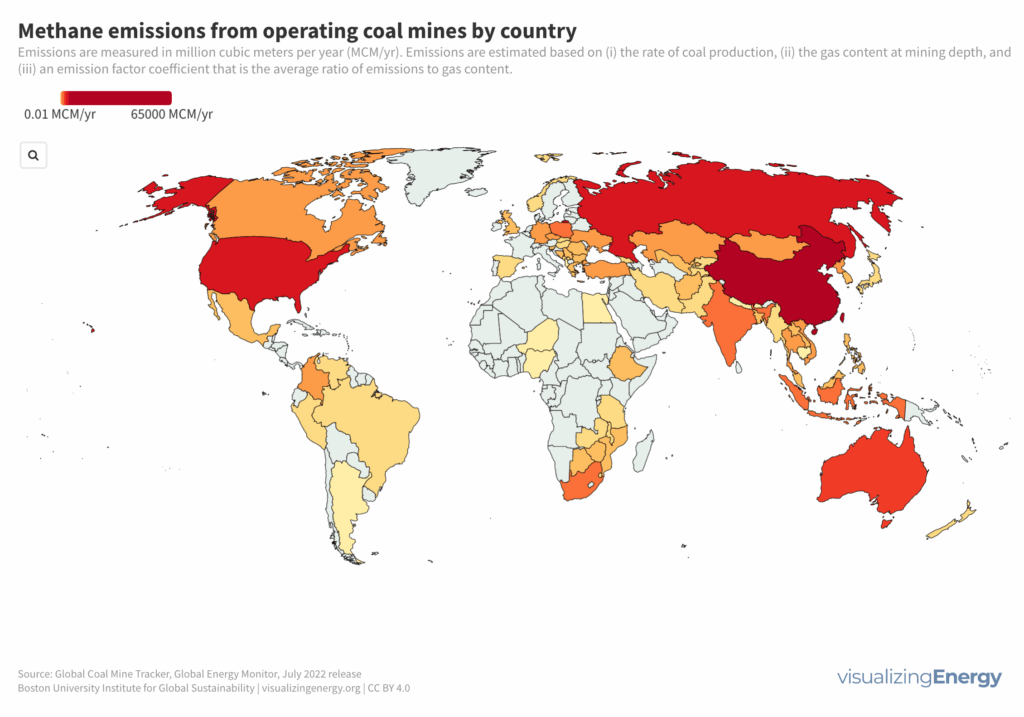
Methane emissions from coal mines are a significant concern for greenhouse gas reduction. Certain mines, known as “superemitters,” contribute a large proportion of global methane emissions. Factors like mine depth and coal rank affect methane content. While reducing coal use in electricity generation is important, mitigating methane emissions from mines needs greater attention.
What is the status of women in the global wind energy industry?
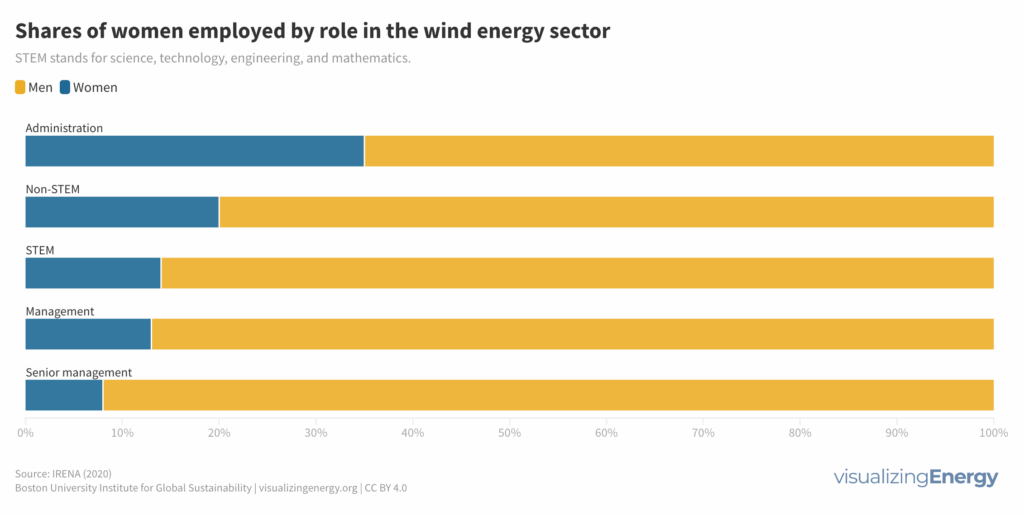
The global wind energy industry has seen substantial growth, but women make up only 21% of its workforce, lagging behind other renewable energy sectors. Barriers to gender equity include cultural norms, limited awareness of opportunities, and lack of support policies. Companies can promote change by prioritizing fairness, transparency, and work-life balance.
Where in Europe do people struggle to stay warm?
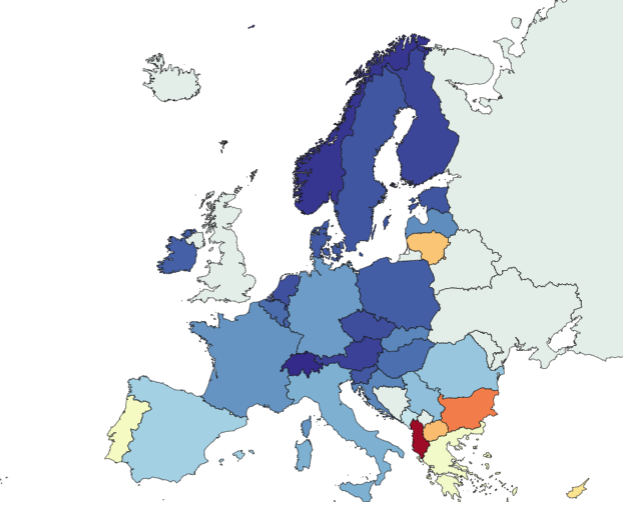
In Europe, energy insecurity affects 8% of the population, with some countries facing higher rates of thermal discomfort. Milder winters due to climate change have improved overall energy security, but about 35 million people still struggle to stay warm. Germany, Spain, Italy, and France have a significant number of individuals affected.
What is the relationship between energy use and level of education?
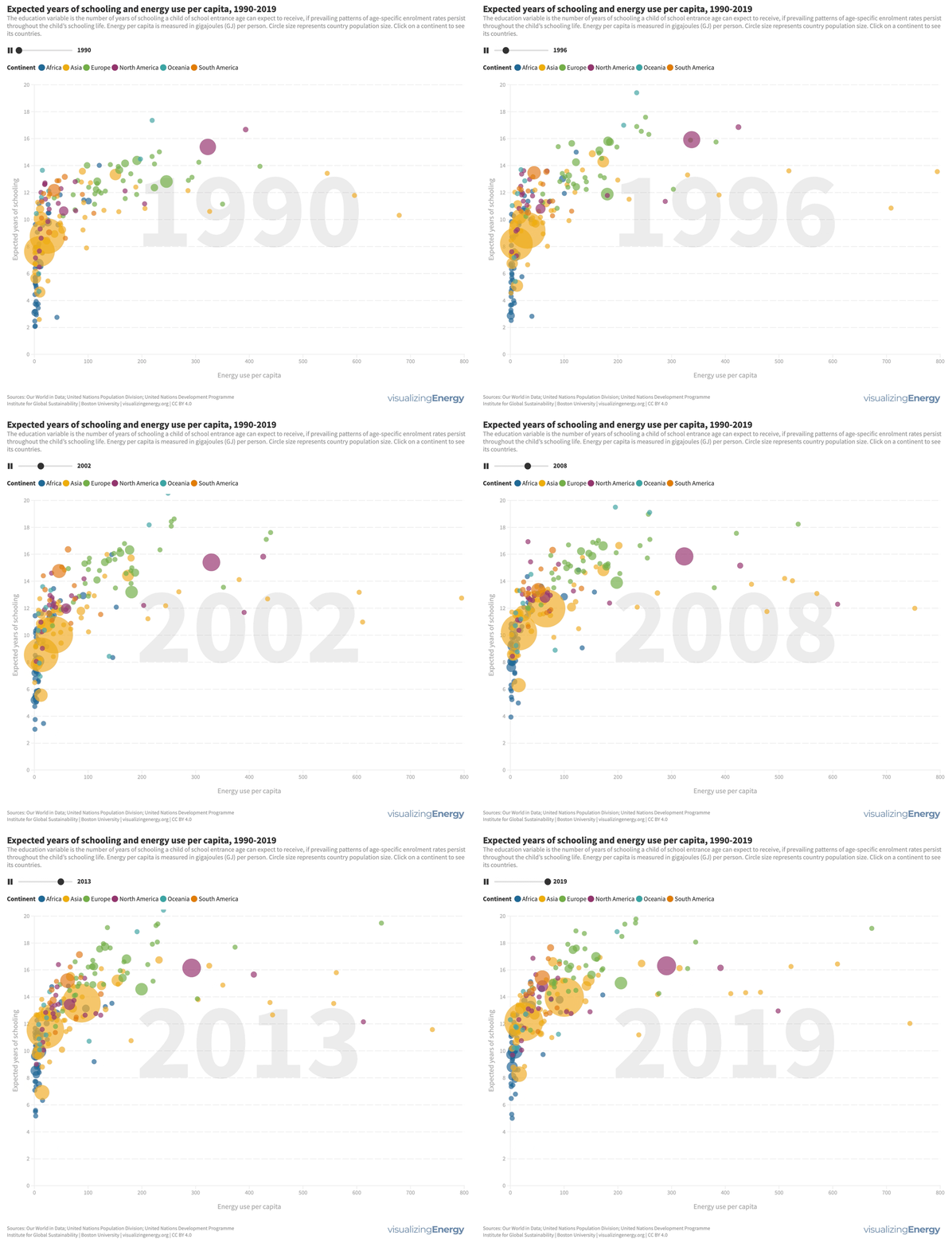
Energy is essential for education, enabling longer study hours, technological advancements, and improved outcomes. While access to education has improved globally, certain regions still face challenges. Increasing energy access, particularly electricity, positively impacts education.
What are non-energy benefits of home weatherization?
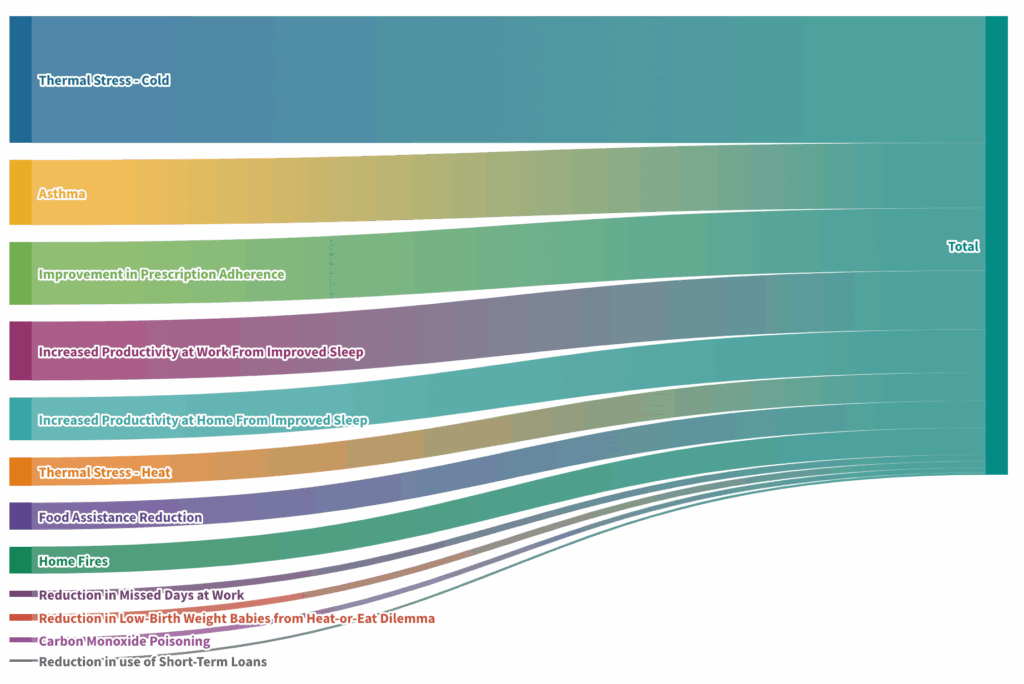
Weatherization offers energy and non-energy benefits to households. It involves insulating homes, installing energy-efficient systems, and reducing energy bills. Non-energy benefits include improved health outcomes, such as reduced thermal stress and asthma symptoms. However, challenges like deferred assistance, low coverage, and bias against renters limit the program’s impact.
Explore Boston’s Energy, Climate, and Equity Initiatives
Does greater energy use reduce undernourishment?
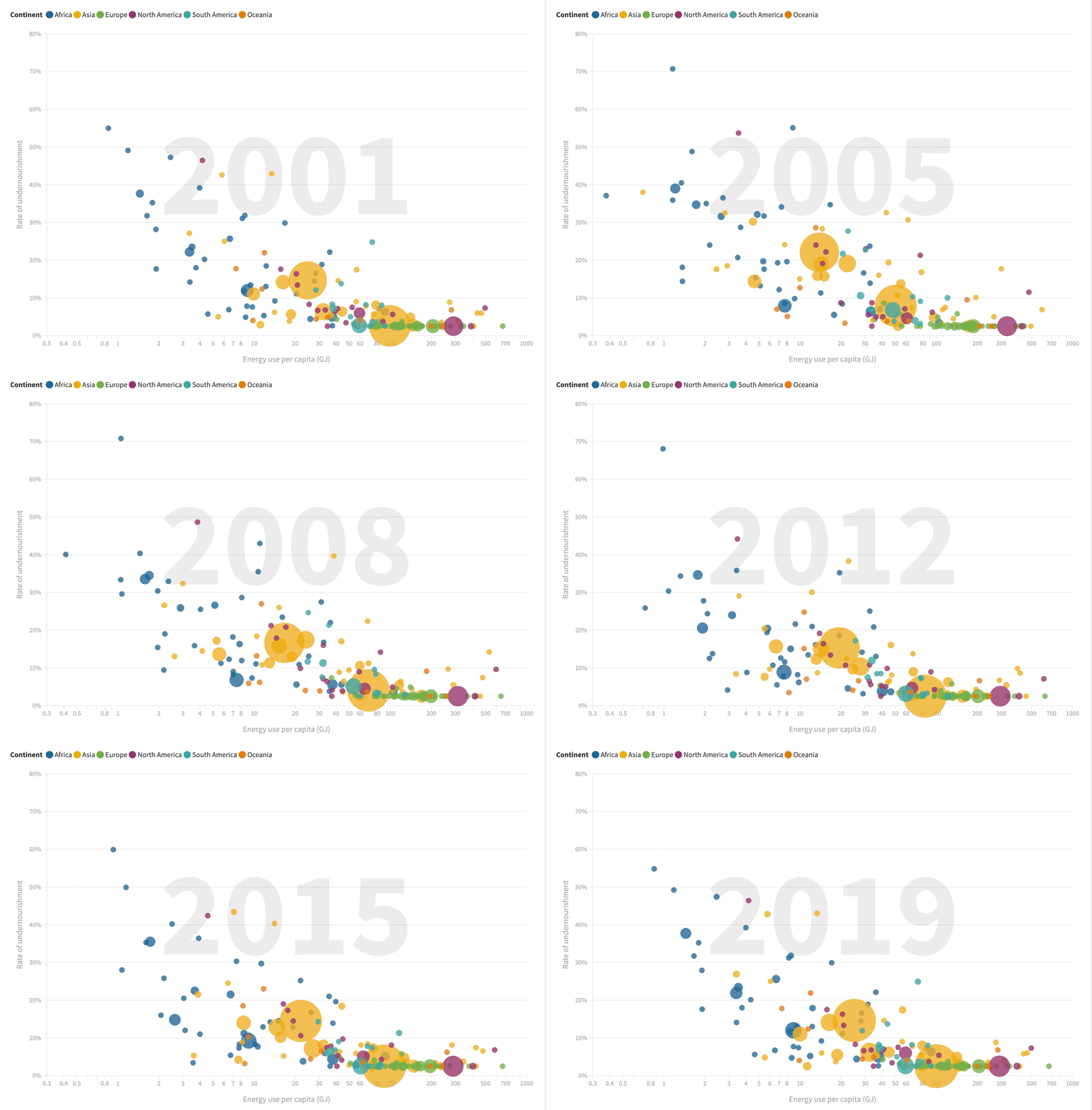
Energy access plays a vital role in reducing undernourishment and improving food security. It boosts agricultural productivity, enhances food quality, reduces losses, and enables transportation. However, addressing factors like political instability and poor policies is crucial alongside increasing energy use.