
What is the relationship between energy use and economic output?
Gross Domestic Product (GDP) measures the dollar value of the final goods and services produced in a country. Changes in GDP are the most widely used indicator of a country’s overall economic health. There are four components of GDP: Data PNG Embed Code Dividing a country’s GDP by its population is a common way to […]
The aging of the world’s nuclear reactors
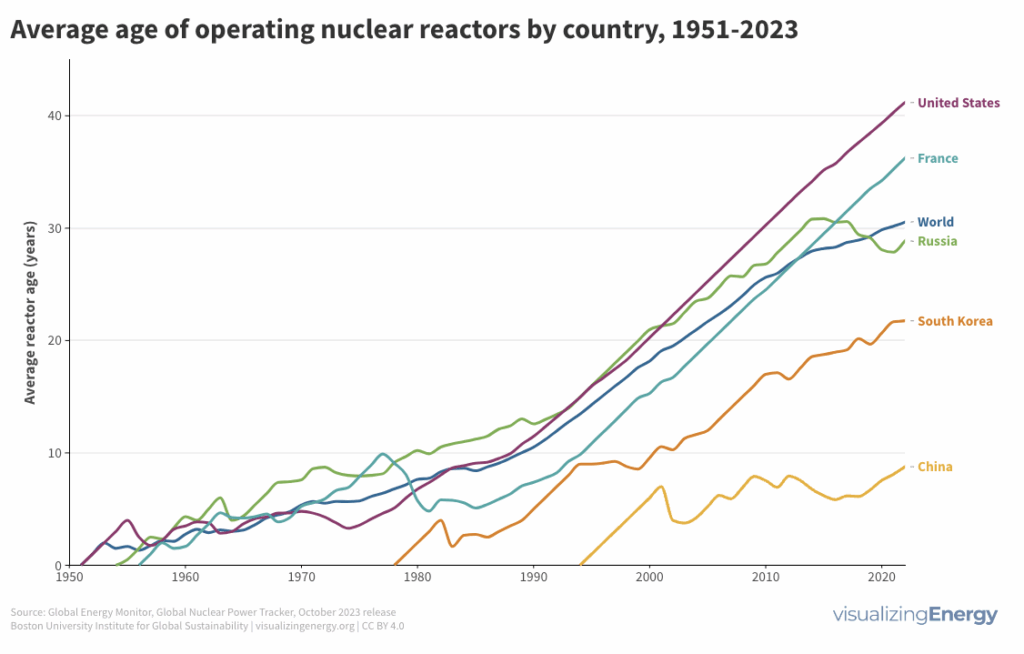
The construction of nuclear reactors peaked in the 1970s, leading to an aging global reactor fleet. The push to relicense these aging reactors has economic and energy security benefits, but questions remain about safety. More data and transparency are needed for informed decision-making in the face of the world’s aging nuclear fleet.
The history of fossil fuel production in the United States
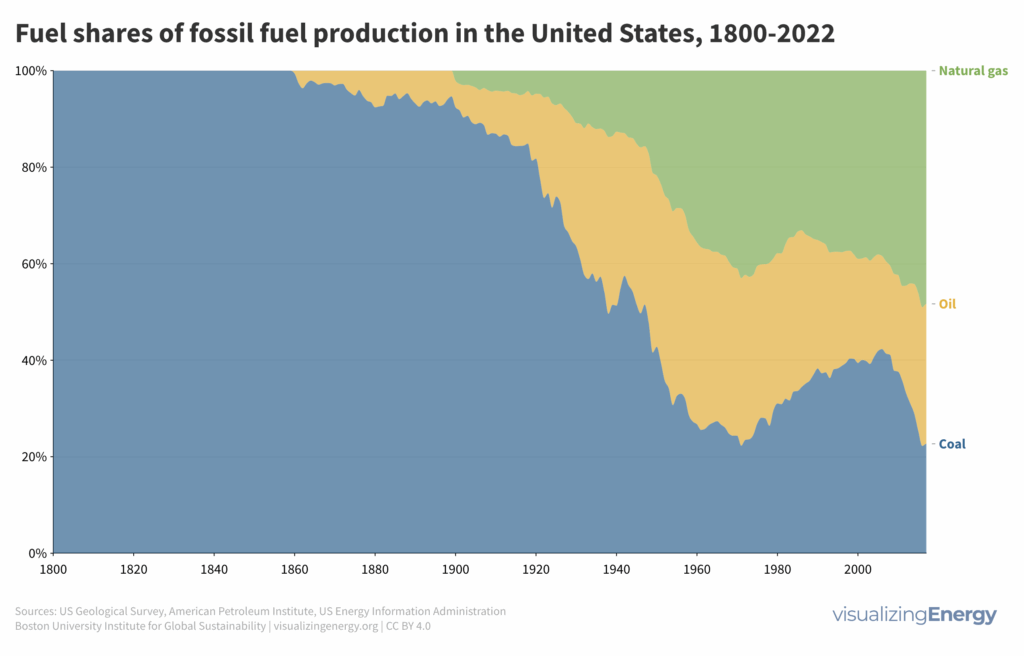
Coal, oil, and natural gas have played major roles in U.S. industrialization and energy. Coal dominated in the 20th century, but oil and natural gas gained prominence after World War II. Fracking revitalized oil and gas production, leading to major shifts in fossil fuel production and investment trends.
Where have companies committed to the Principles for Responsible Investment?
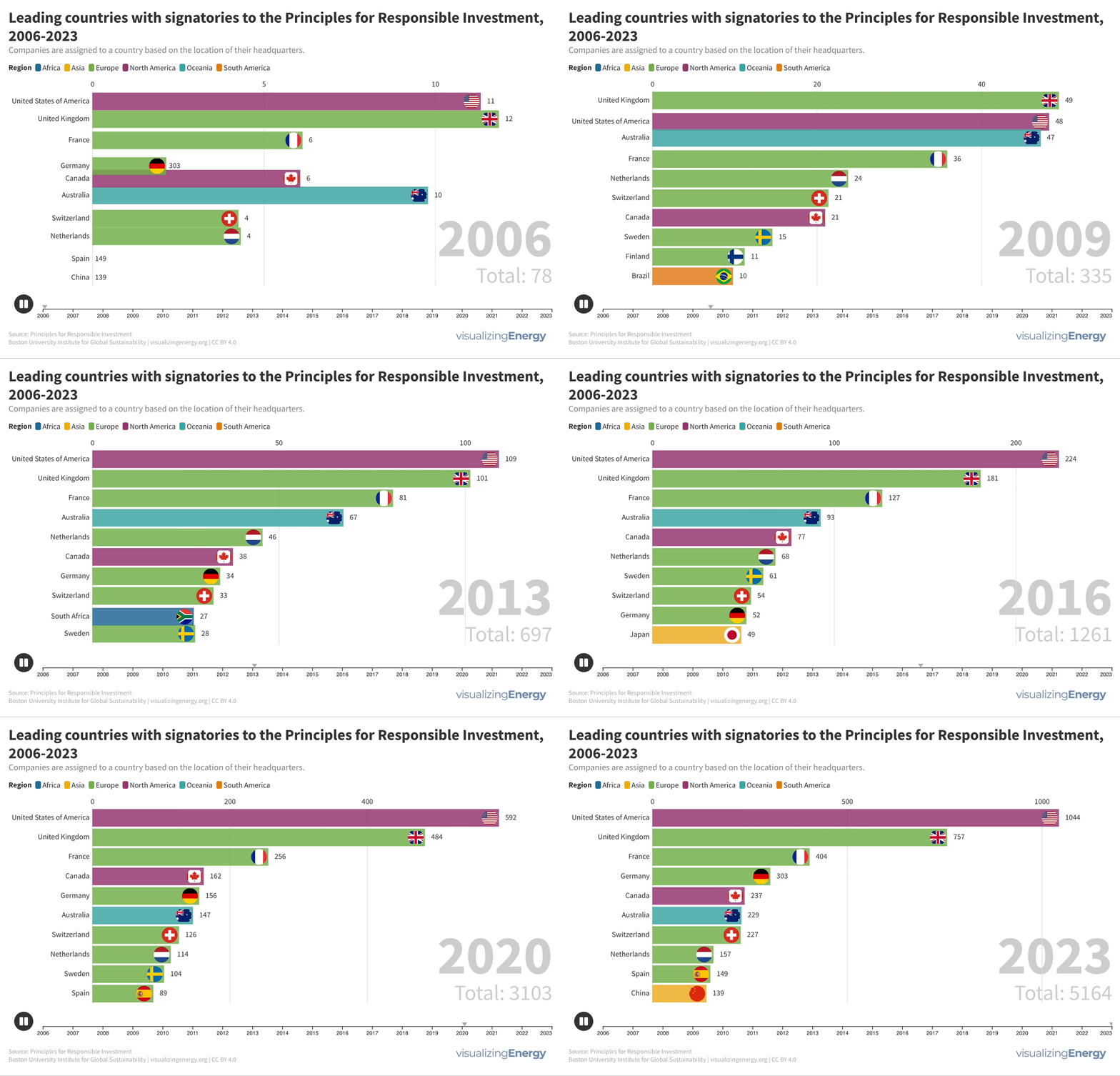
The Principles for Responsible Investment (PRI) were launched in 2006 by a group of institutional investors and the United Nations to promote sustainable and responsible investment. It has over 5300 signatories in 80+ countries, holding more than $65 trillion in assets. However, there are criticisms about its voluntary basis and enforcement mechanisms.
What countries have the greatest bioenergy power capacity?
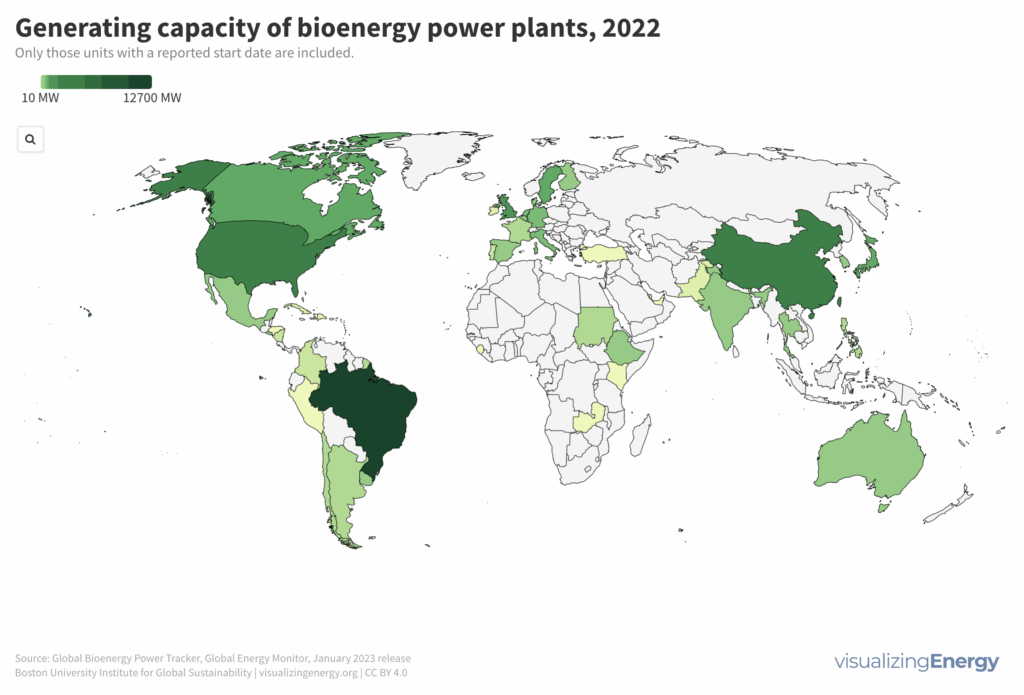
As of January 2023, 575 utility-scale biopower plants were operational globally, with a total capacity of over 29,000 MW, less than 0.5% of worldwide power generation. An additional 6,000 MW are under construction. China is believed to significantly underreport its true biopower capacity, perhaps as high as 22,000 MW, primarily from agricultural residues and waste-to-energy facilities. Brazil, another major player, relies largely on sugarcane byproducts.
Four million wells and counting: the history of oil and gas drilling in the U.S.
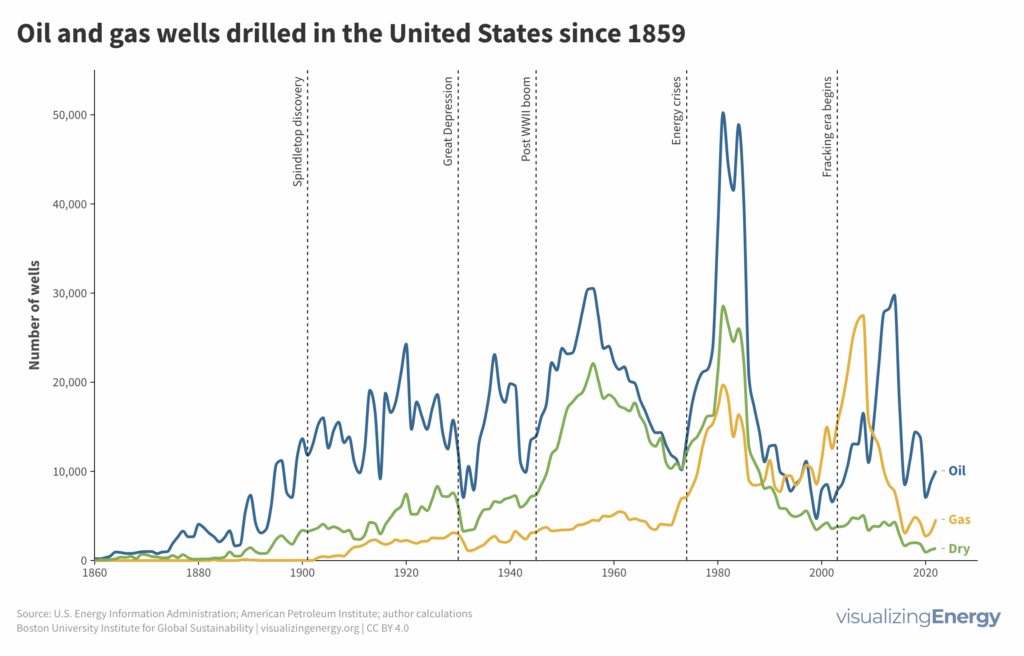
Since the first successful oil well in 1859, the U.S. has drilled millions of wells for oil and gas. Drilling surged with demand, technology, and geopolitics, with notable periods like the post-WWII boom and the fracking-driven increase in natural gas wells. This progress has brought economic benefits and energy shifts, yet also raised environmental and social concerns.
Why the weight of your personal vehicle matters
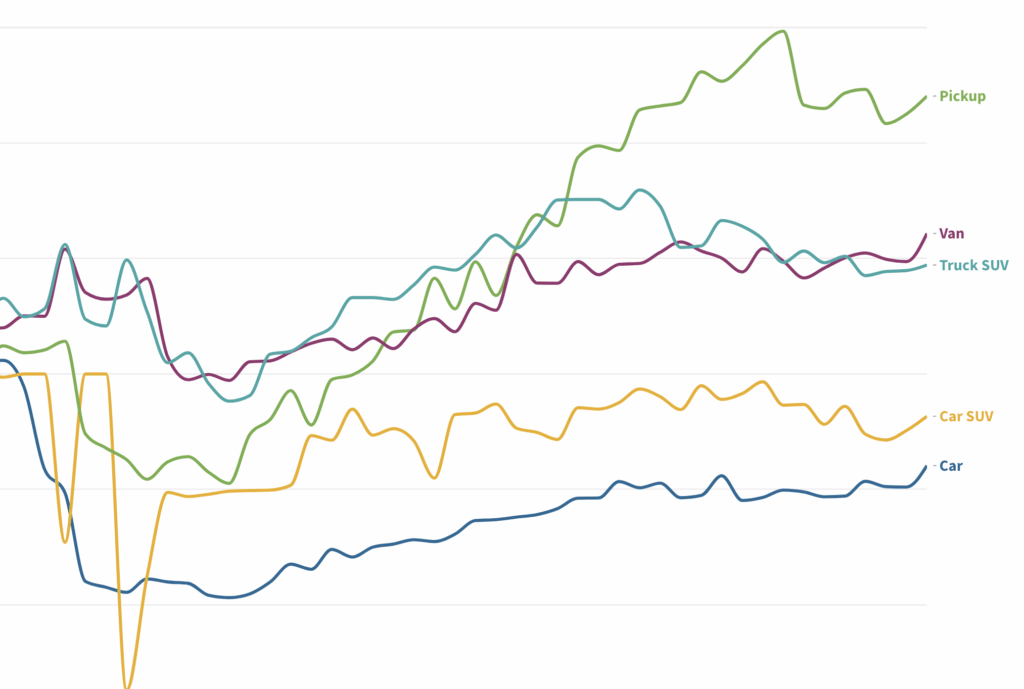
The fuel efficiency of personal highway vehicles, particularly gasoline-powered cars and trucks in the United States, is a crucial factor in energy consumption. Vehicle weight significantly affects fuel efficiency due to basic physics principles like inertia and rolling resistance.
What fuels are used in bioenergy power plants?
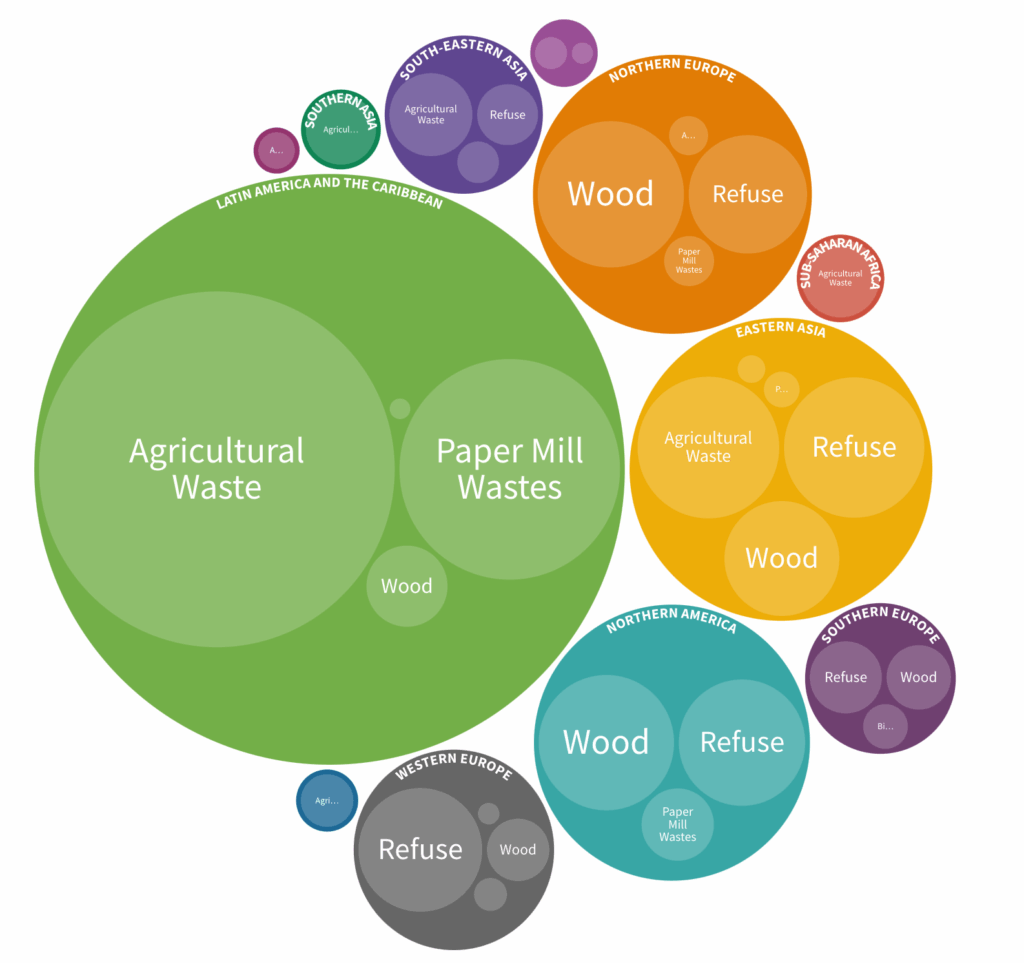
Biopower is electricity generated from renewable organic materials, such as plants and animals. Different countries rely on various biomass sources, including sugarcane, trees, and municipal waste, to produce biopower. However, the impact of biopower on climate change is complex. Despite being initially perceived as carbon neutral, the use of fossil fuels in bioenergy systems and the land requirements for biomass production can have significant environmental consequences.
Explore the world’s bioenergy power plants in 2022
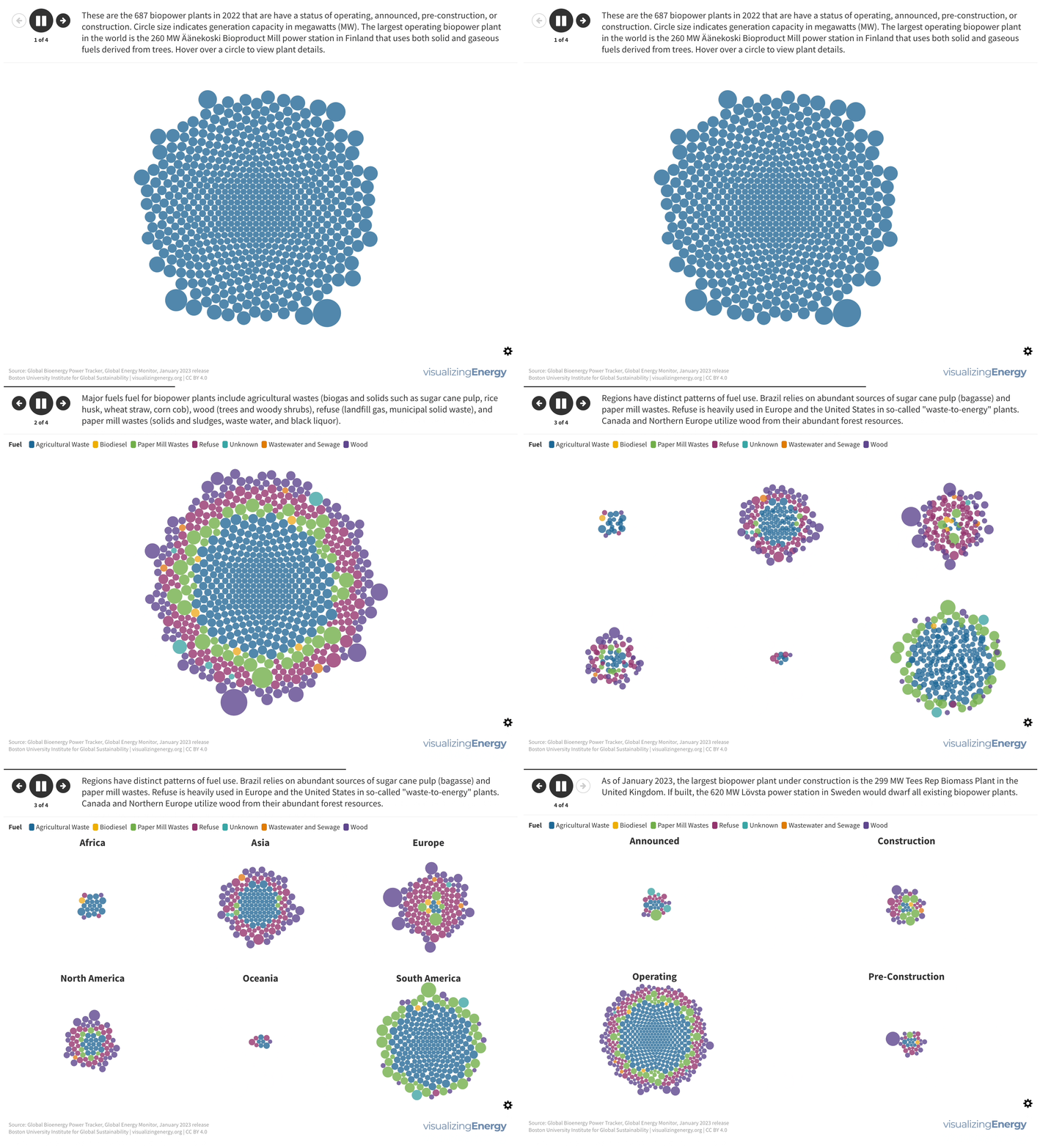
The use of biomass by humans can be traced back at least 1 million years to the controlled use of fire. However, the generation of electricity from biomass, known as biopower, is a more recent development. One of the earliest biopower plants was the São José da Estiva power station in Brazil, which began operating in 1900.
Which U.S. cities prioritize justice in climate action?
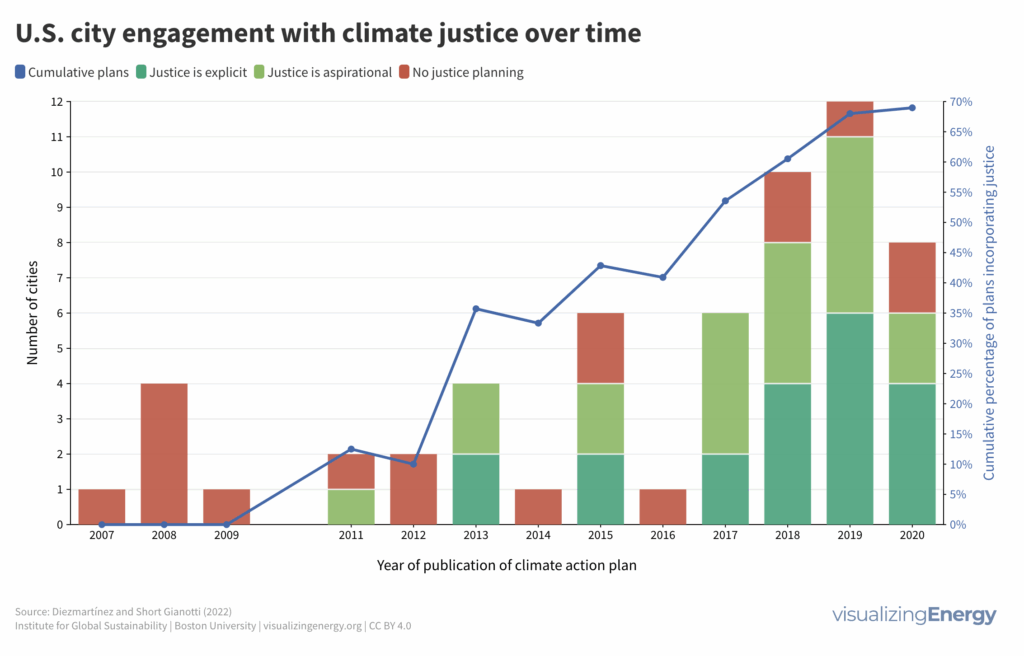
Climate justice recognizes the responsibility of the wealthy for climate change, which disproportionately impacts the vulnerable. Urban climate action plans are increasingly addressing justice, but some cities still lack such plans. Larger cities tend to prioritize justice more, and sectors like energy efficiency and clean energy receive greater attention. More efforts are needed to achieve just and inclusive urban climate transitions.