
Global anthropogenic emissions of carbon dioxide, 1750-2022
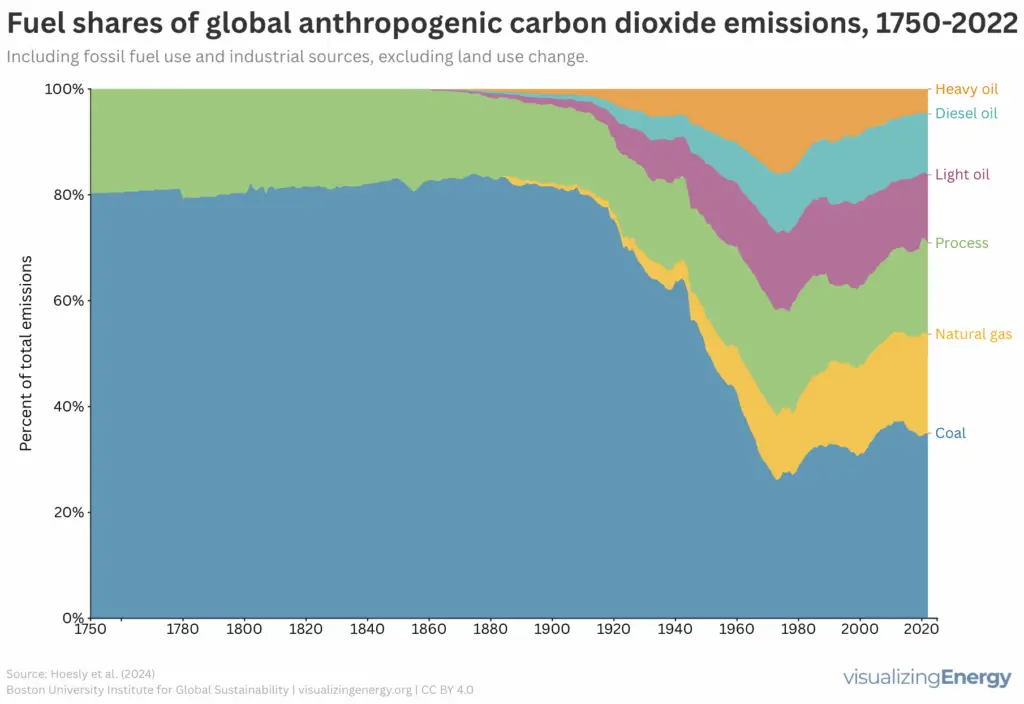
Anthropogenic carbon dioxide emissions increased from about 9,000 kilotons in 1750 to approximately 36 million tons in 2022—a 4,000-fold increase. Economic growth and the shift to fossil fuels that accompanied the Industrial Revolution drove this rise in emissions. Between 1850 and 1900, there were only two years in which emissions did not increase from the previous year.
Global anthropogenic sulfur dioxide emissions, 1750-2022
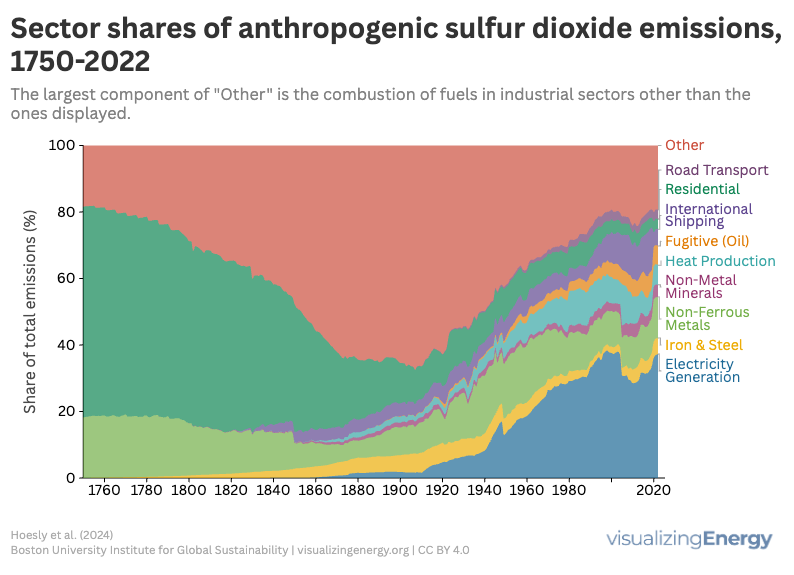
Sulfur dioxide (SO₂) is a major air pollutant produced from burning sulfur-containing fuels. It poses health risks, including respiratory issues and links to heart disease, while harming the environment by contributing to acid rain. Emissions have significantly decreased due to regulations and technology, but global reliance on fossil fuels continues to impact levels.
How does public finance support energy?
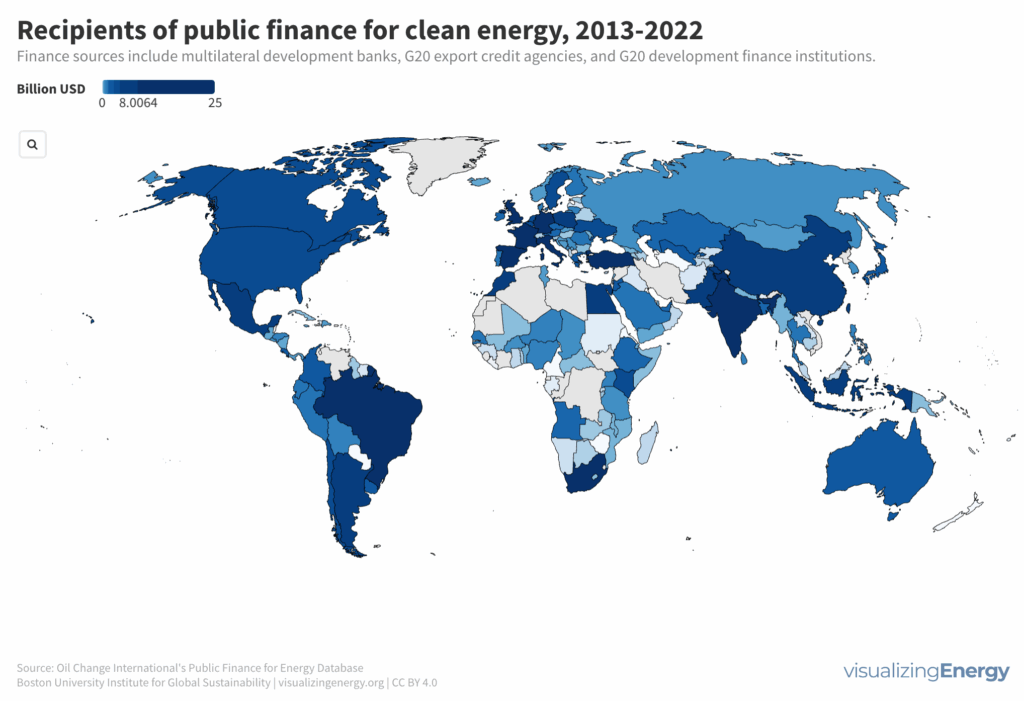
The global energy system encompasses diverse infrastructure requiring extensive investment, with USD 2.8 trillion spent in 2023. Public finance significantly supports energy projects, where fossil fuels received 56% of funding from 2013 to 2022. Clean energy finance increased until 2021, highlighting varying regional priorities and the dominance of large projects in funding distribution.
Where are the gasoline superusers in the United States?
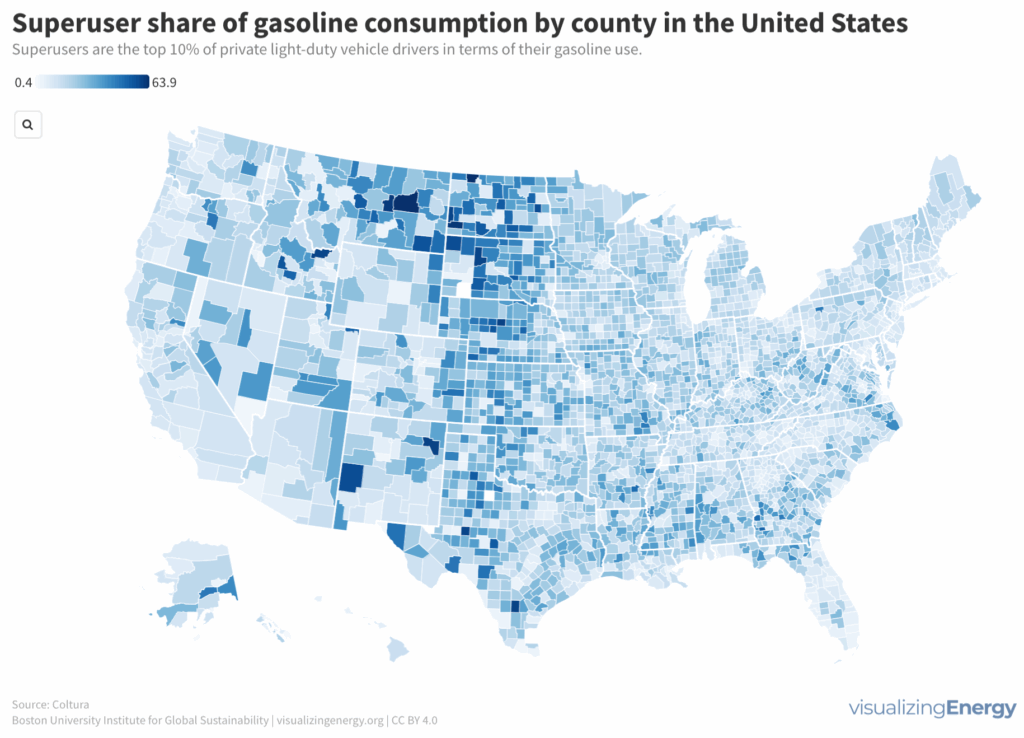
In 2023, US drivers consumed 376 million gallons of gasoline daily, with superusers accounting for 35% of usage. Rural areas have more superusers, spending 10.2% of their income on gasoline. They also tend to drive larger, less fuel-efficient vehicles. Electric vehicle policies targeting superusers could reduce energy burdens and emissions, benefiting low-income households.
Is shared prosperity connected to per capita energy use?
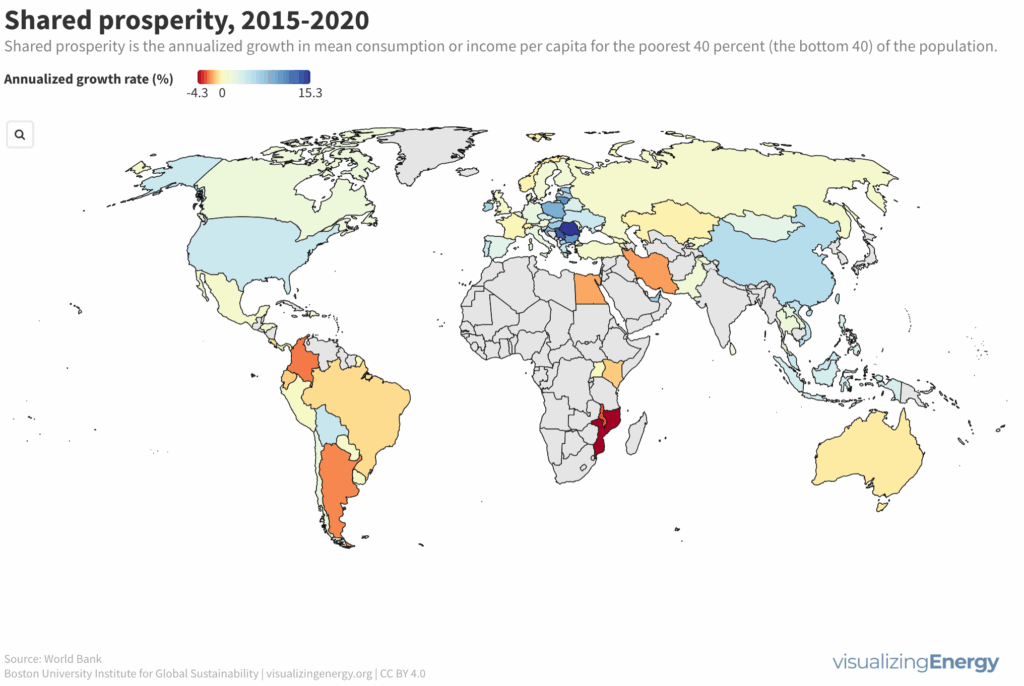
Shared prosperity measures economic growth inclusiveness, focusing on the income growth of the poorest compared to the overall population. It reduces poverty and inequality and is relevant even in high-income countries. Energy use can impact shared prosperity, but other factors like social safety nets and education also play a crucial role.