
What do public expenditures say about a country’s energy priorities?
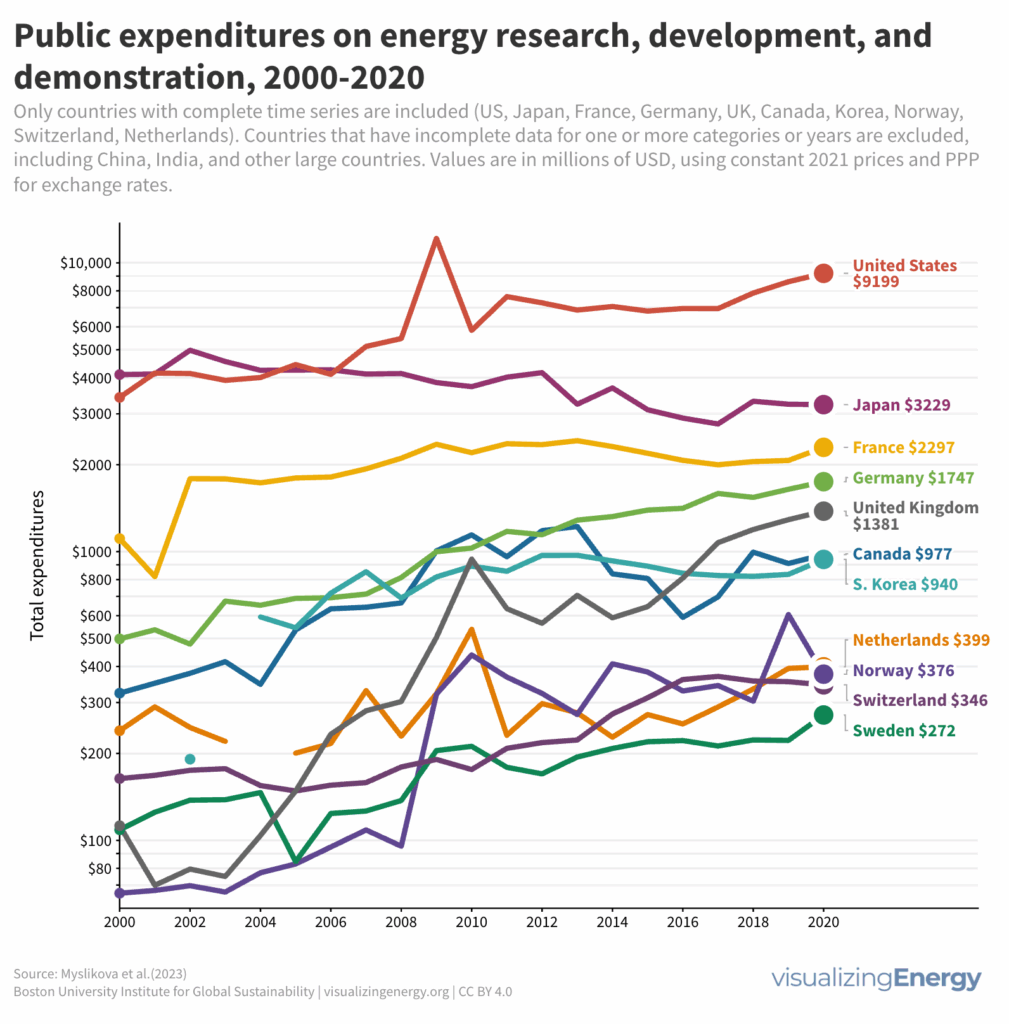
The world energy system is experiencing seismic shifts, with a rapid expansion of low-carbon fuels and energy efficiency. However, fossil fuels still dominate investments despite the need to reduce greenhouse gas emissions. Different countries prioritize energy RD&D in diverse ways, and state-owned enterprises play a significant role.
Who benefits from energy booms? The case of fracking in Texas
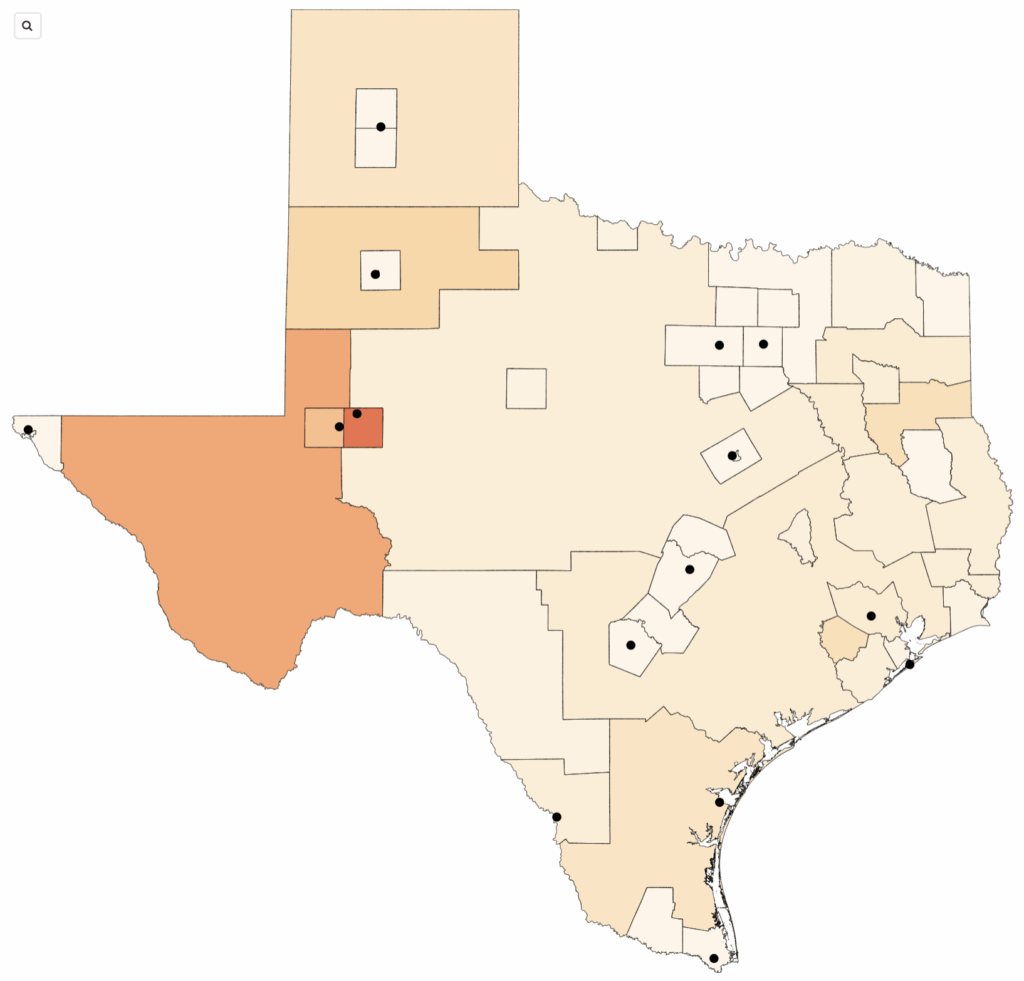
Texas has emerged as a prominent oil and gas producer, ranking as the fifth largest oil producer globally if it were its own country. The development of fracking technology and a surge in oil prices led to a significant increase in oil and gas production in Texas from 2000 to 2014. However, the distribution of employment gains during this boom varied across gender, race, and ethnicity. The Texas example underscores the importance of ensuring an equitable distribution of economic benefits in energy systems, especially as governments incentivize low carbon energy initiatives.
What prime movers have generated the most electricity since 1900?
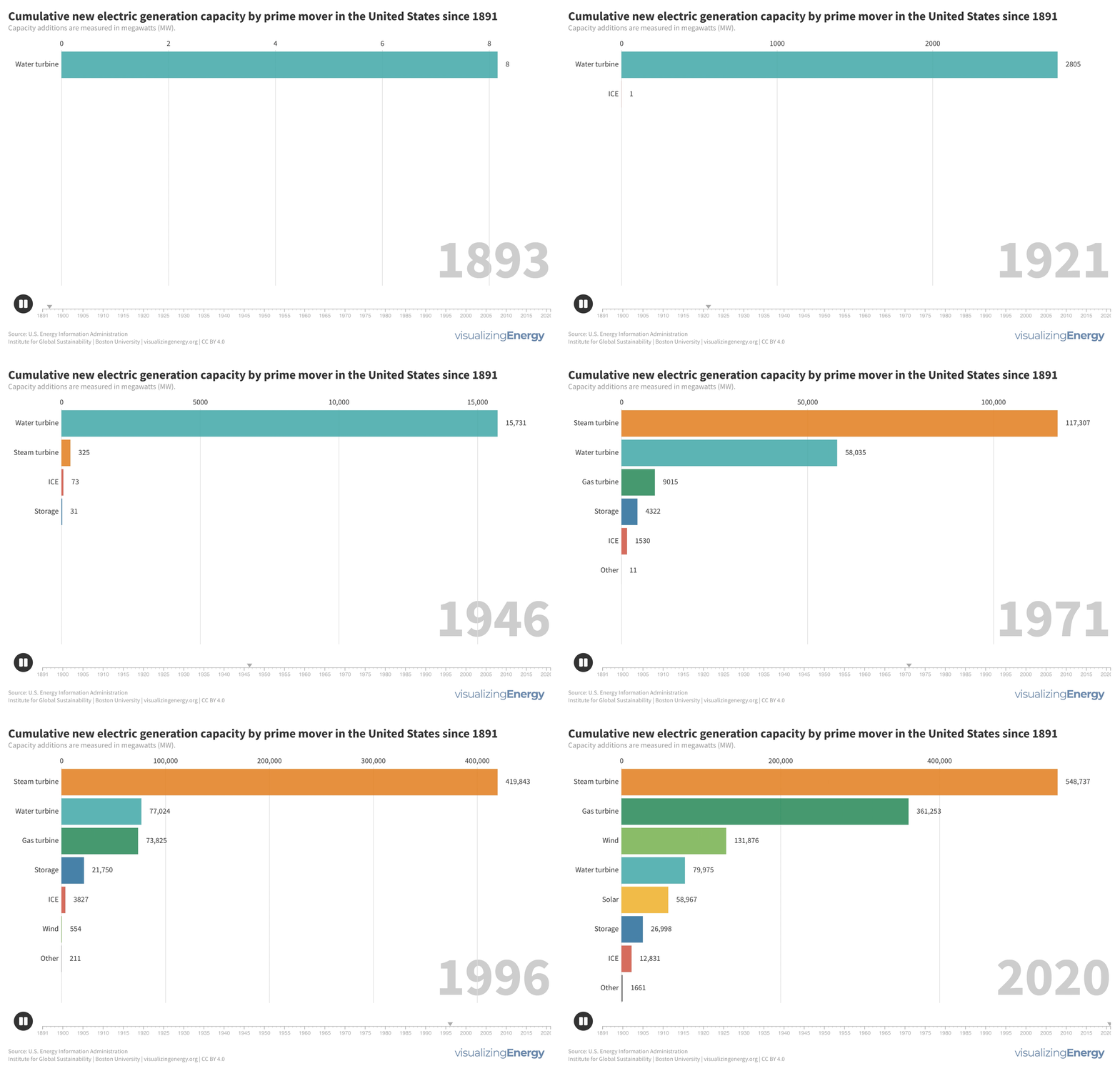
Prime movers are devices that convert natural sources of energy into mechanical energy to generate electricity. Historically, hydropower from water turbines and steam turbines played major roles. Gas turbines emerged as a more efficient and cost-effective option. In recent years, solar cells and wind turbines have made significant advancements, providing competitive and environmentally friendly alternatives to traditional energy sources.
Seventy-five years of world uranium production and resources
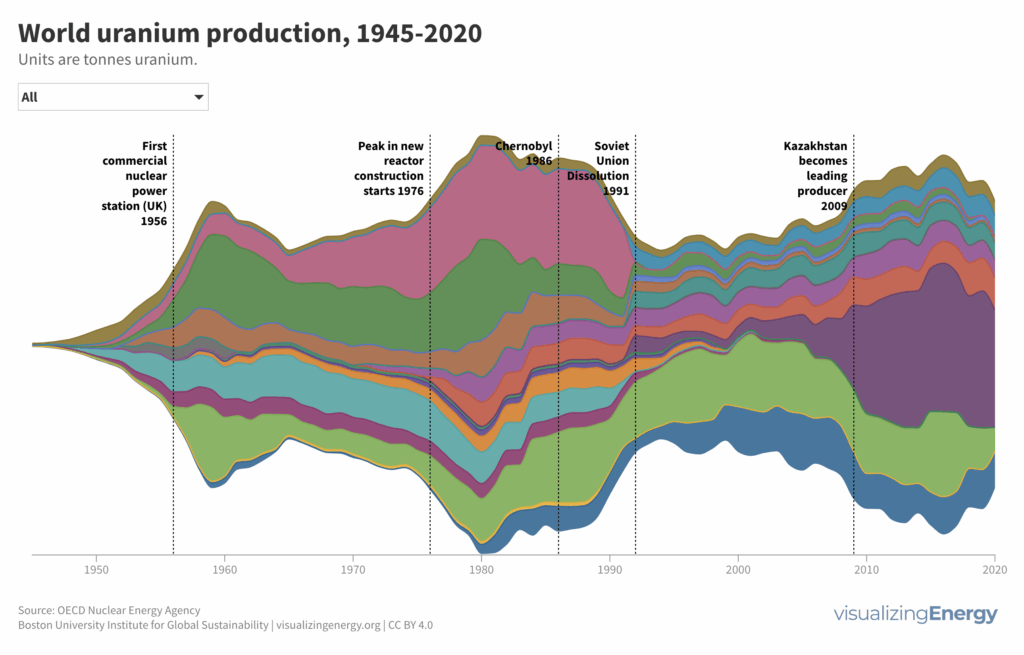
Uranium is crucial for nuclear power generation, supplying 10% of global electricity. The largest recoverable uranium resources are held by Australia, Kazakhstan, Canada, Russia, and Namibia. Major uranium consumers rely on imports due to limited domestic production, leading to significant international trade in uranium products.
What do these charts say about the safety of nuclear reactors?
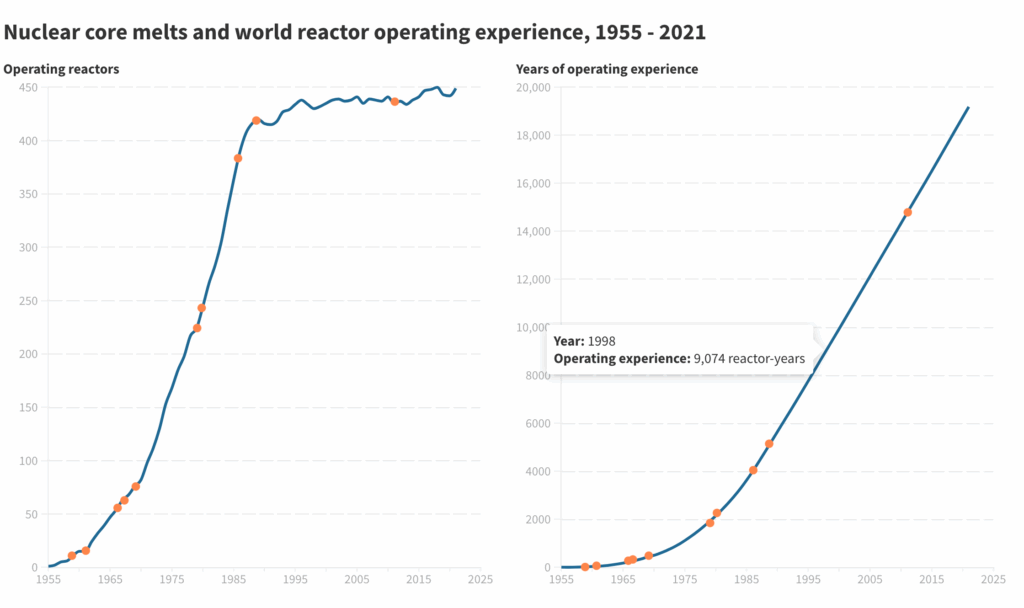
The safety of nuclear reactors is a subject of debate. While incidents like Three Mile Island, Chernobyl, and Fukushima have had impacts on human health and the environment, the overall risks of radiation exposure are considered small. Advancements in technology and regulations have significantly reduced the frequency of core damage incidents. Nuclear power is an important low-carbon energy source, but opinions differ on its safety compared to fossil fuels and renewables.
Explore the geography and technology of new electricity generation in the United States in 2021
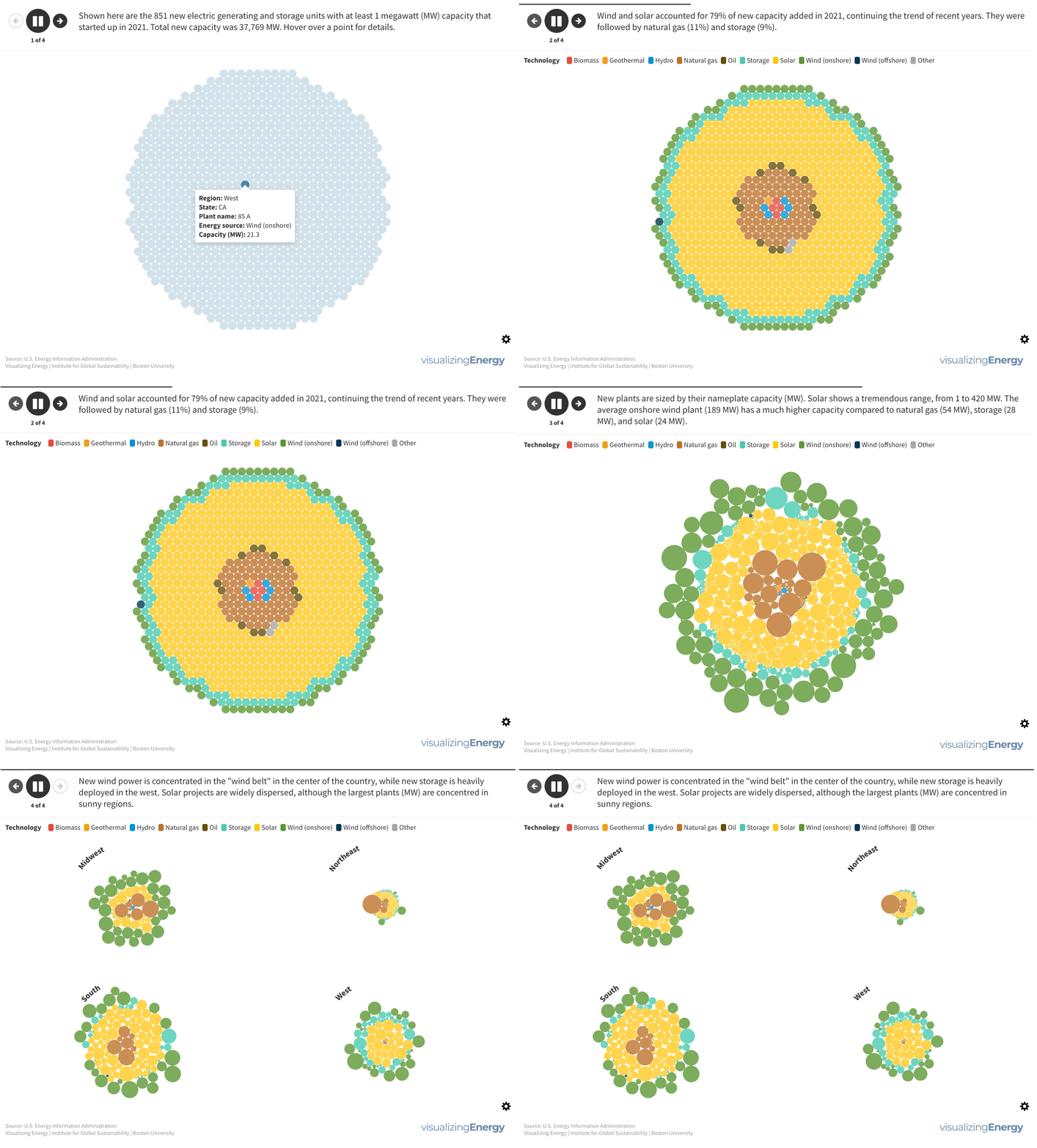
In 2021, the United States saw the addition of 851 new electric generating and storage units with at least 1 MW capacity, totaling 37,769 MW of new capacity. Wind and solar accounted for 79% of this new capacity, followed by natural gas (11%) and storage (9%).
What is the status of women in the global solar PV industry?
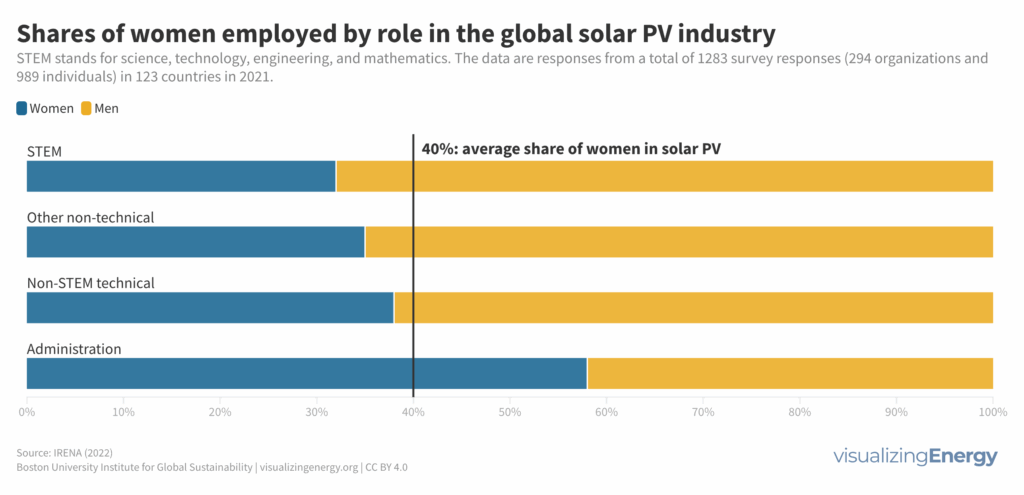
Women represent 40% of the global solar photovoltaic (PV) workforce, double the share in the wind industry and oil and gas sector. However, they are mainly in administrative and non-STEM technical positions, with underrepresentation in STEM and senior management roles. Gender bias and barriers to recruitment, advancement, and work-life balance exist in the industry, with women reporting higher perception of pay gaps and barriers.
What is the status of women in the global wind energy industry?
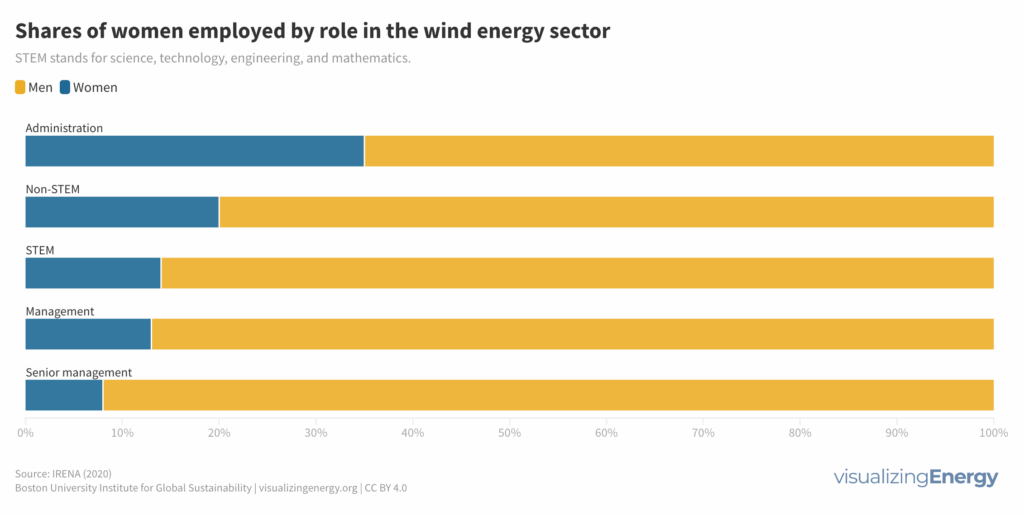
The global wind energy industry has seen substantial growth, but women make up only 21% of its workforce, lagging behind other renewable energy sectors. Barriers to gender equity include cultural norms, limited awareness of opportunities, and lack of support policies. Companies can promote change by prioritizing fairness, transparency, and work-life balance.
United States electricity history in four charts
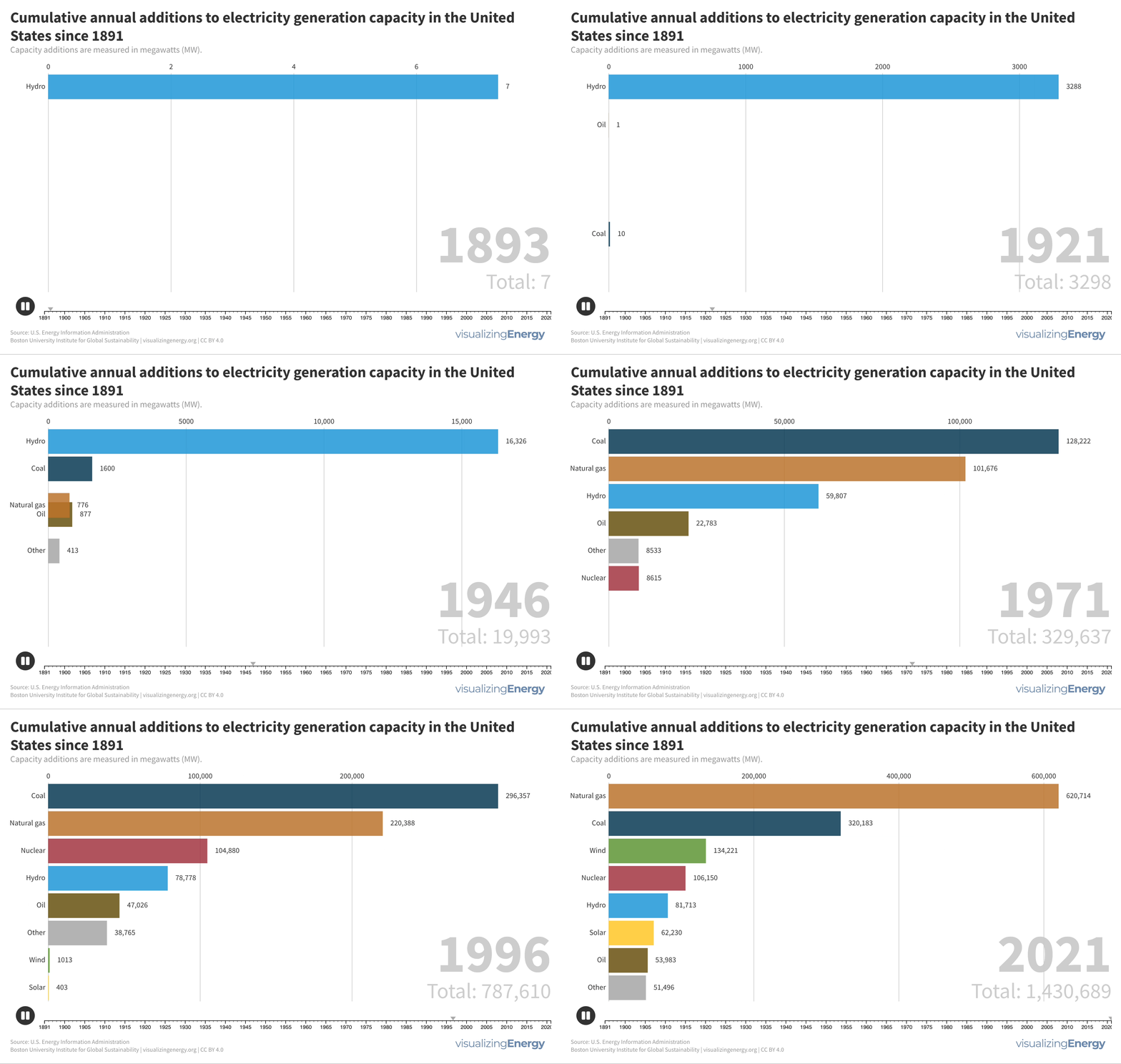
Electricity in the United States has seen remarkable growth, with a significant shift from coal to renewable energy sources. Government policies and technological advancements have played a crucial role in shaping the energy landscape. President Biden’s goal of achieving 100% carbon-free electricity by 2035 highlights the need for continued progress in policy, technology, and public perception.
Where are people dying due to indoor air pollution from cooking fuels?
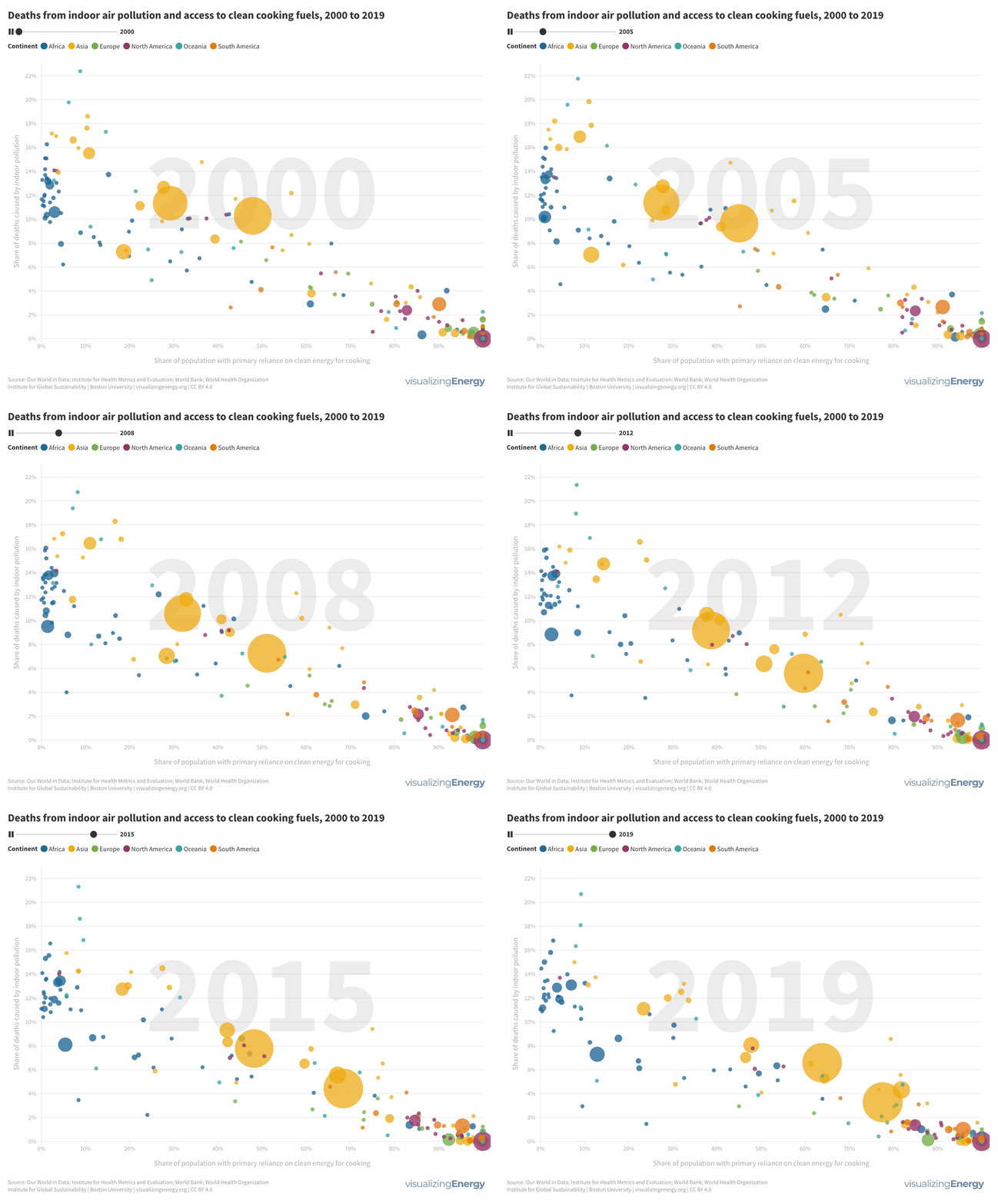
Millions of people die each year due to indoor air pollution caused by the combustion of solid fuels and kerosene in inefficient stoves. Heart disease, stroke, COPD, lung cancer, and other illnesses are major contributors to these deaths. Access to clean cooking fuels is closely linked to lower death rates, with countries having universal access showing the lowest rates.