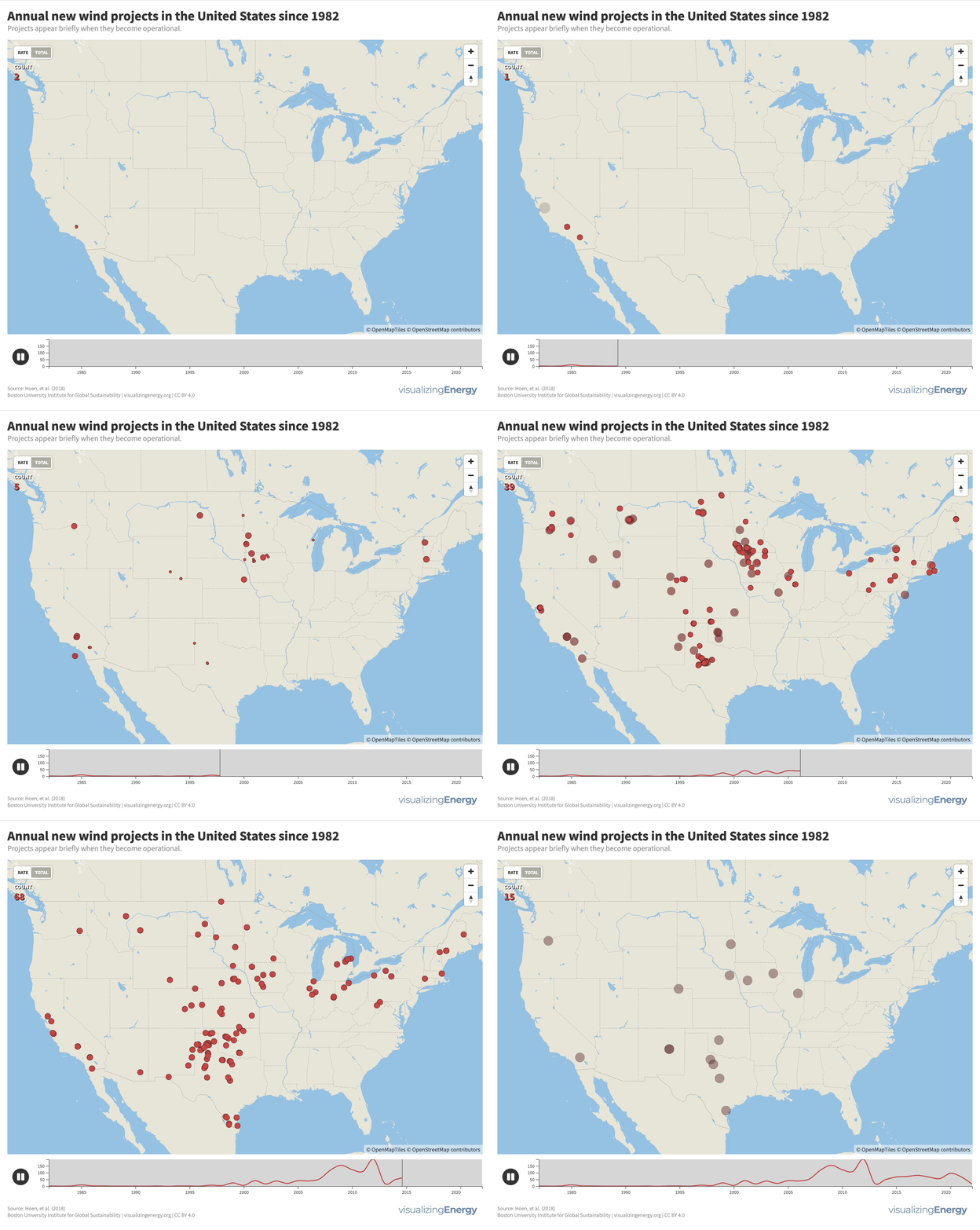
Where is new wind power in the United States being built?
Modern wind energy in the United States began in California in the early 1980s with several wind farms in mountain passes in central and Southern

Modern wind energy in the United States began in California in the early 1980s with several wind farms in mountain passes in central and Southern
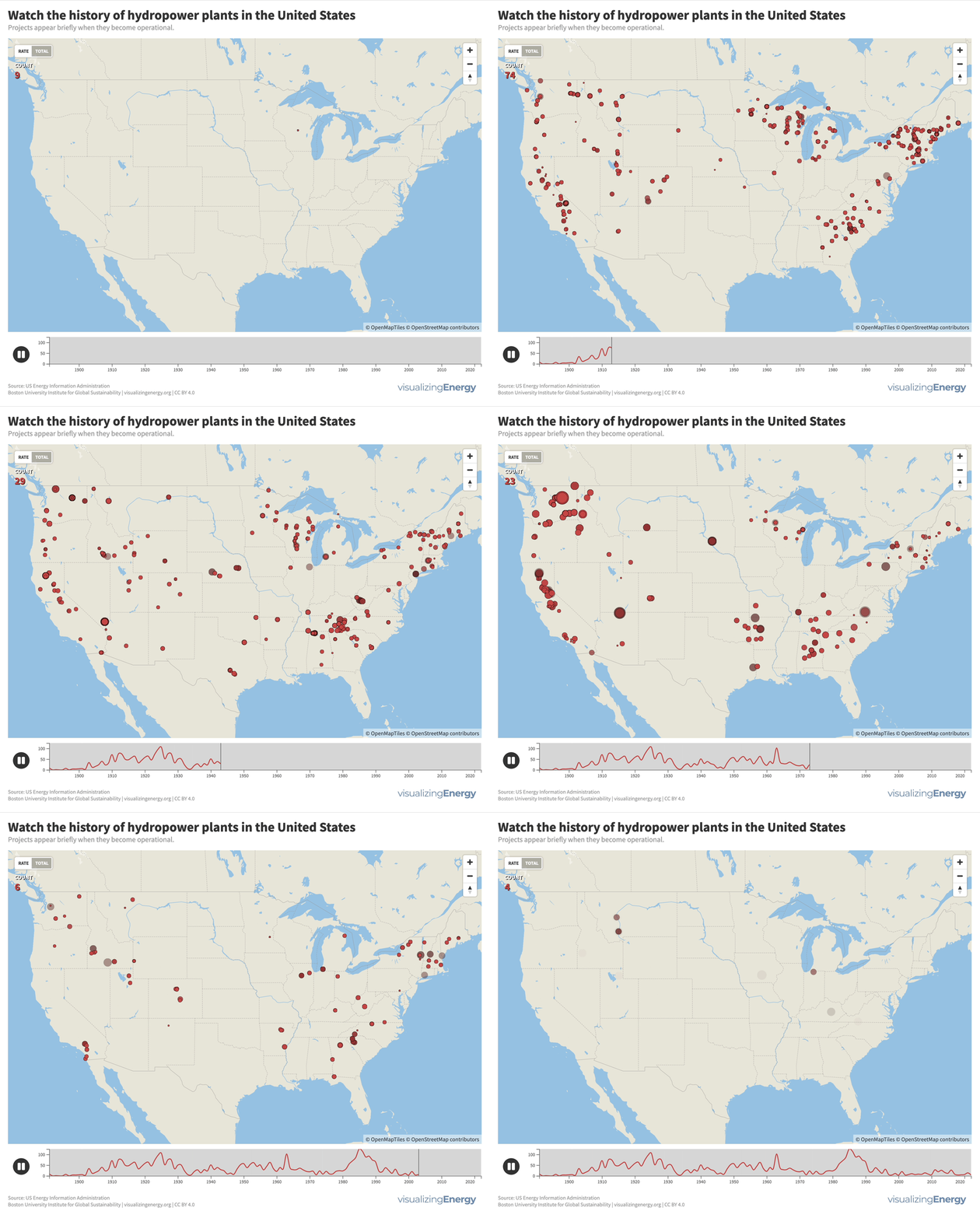
More than 4000 hydroelectric dams have been built in the United States since the late 19th century, representing six percent of all-time additions to electric generation capacity from all sources.
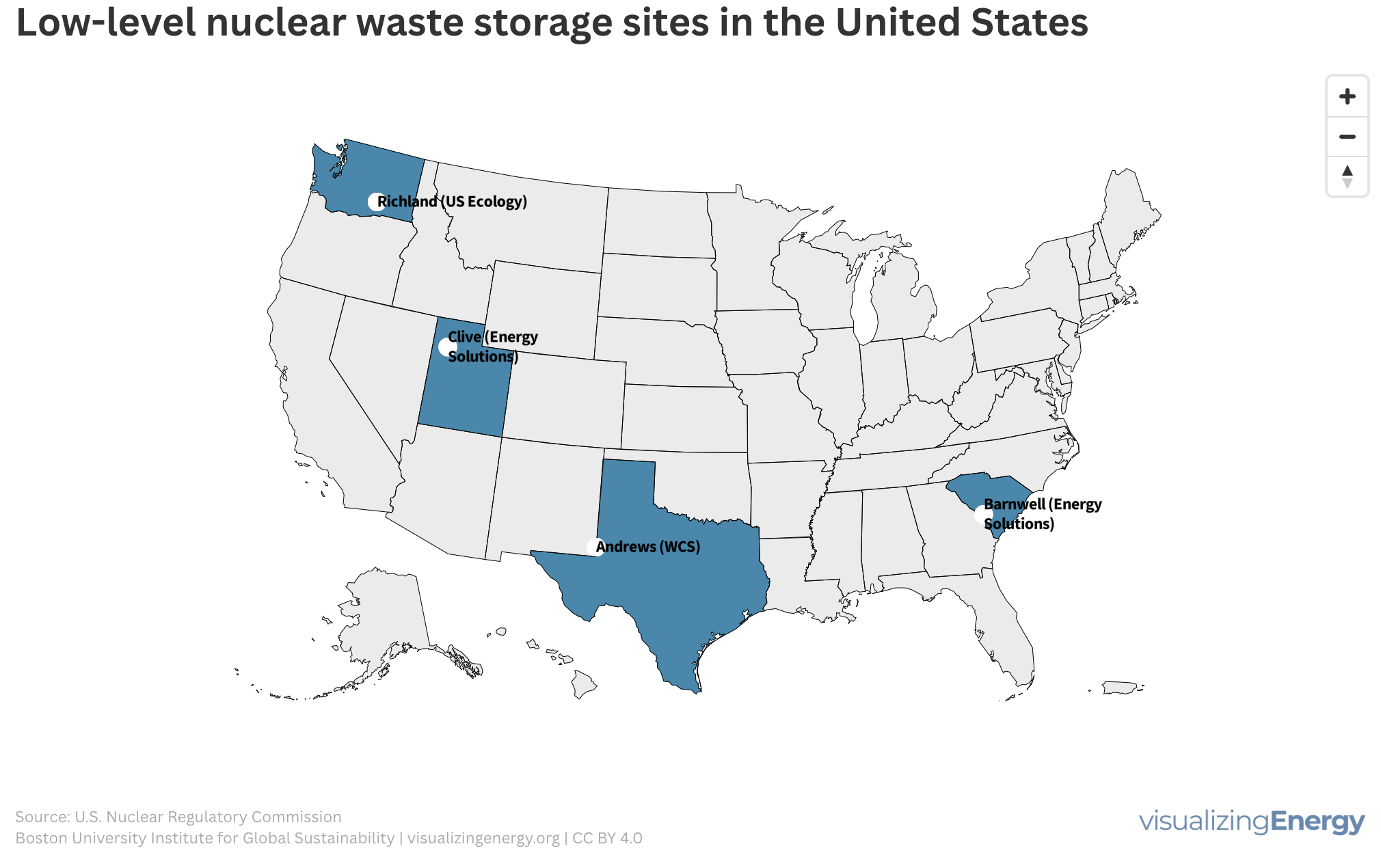
Low-level radioactive waste (LLW) is produced by various commercial operations and the U.S. Department of Energy. It includes contaminated materials like clothes, tools, and medical supplies. LLW is typically stored on-site until it decays or is shipped to disposal sites, regulated under the Low-Level Radioactive Waste Policy Act of 1980.
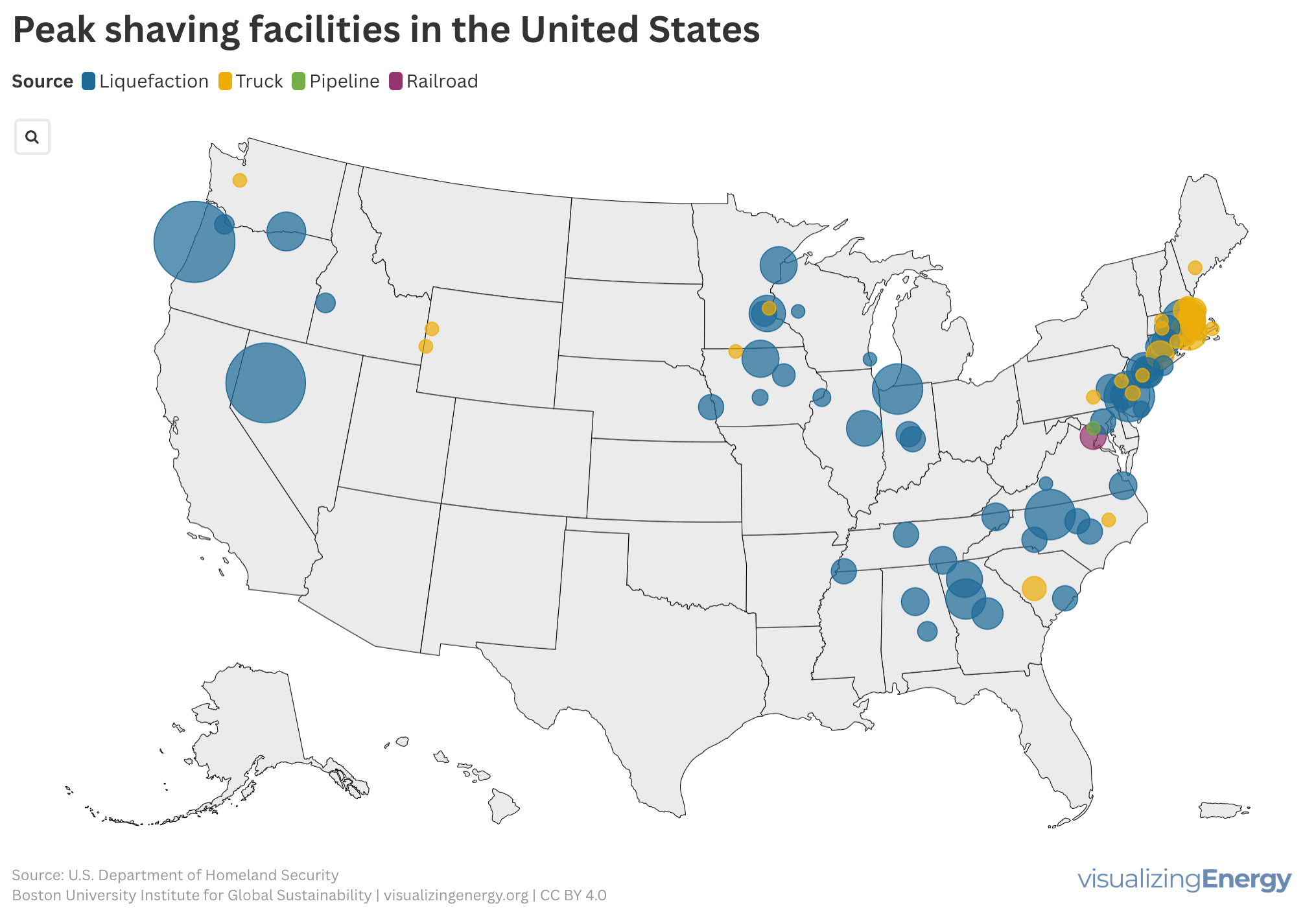
A peak shaving facility is an energy system that balances fuel demand fluctuations, particularly for natural gas during peak usage times. It stores liquefied natural gas (LNG) at low demand and releases it when needed. Commonly found in metropolitan areas and regions with pipeline limitations, these facilities aid in preventing shortages and price spikes.
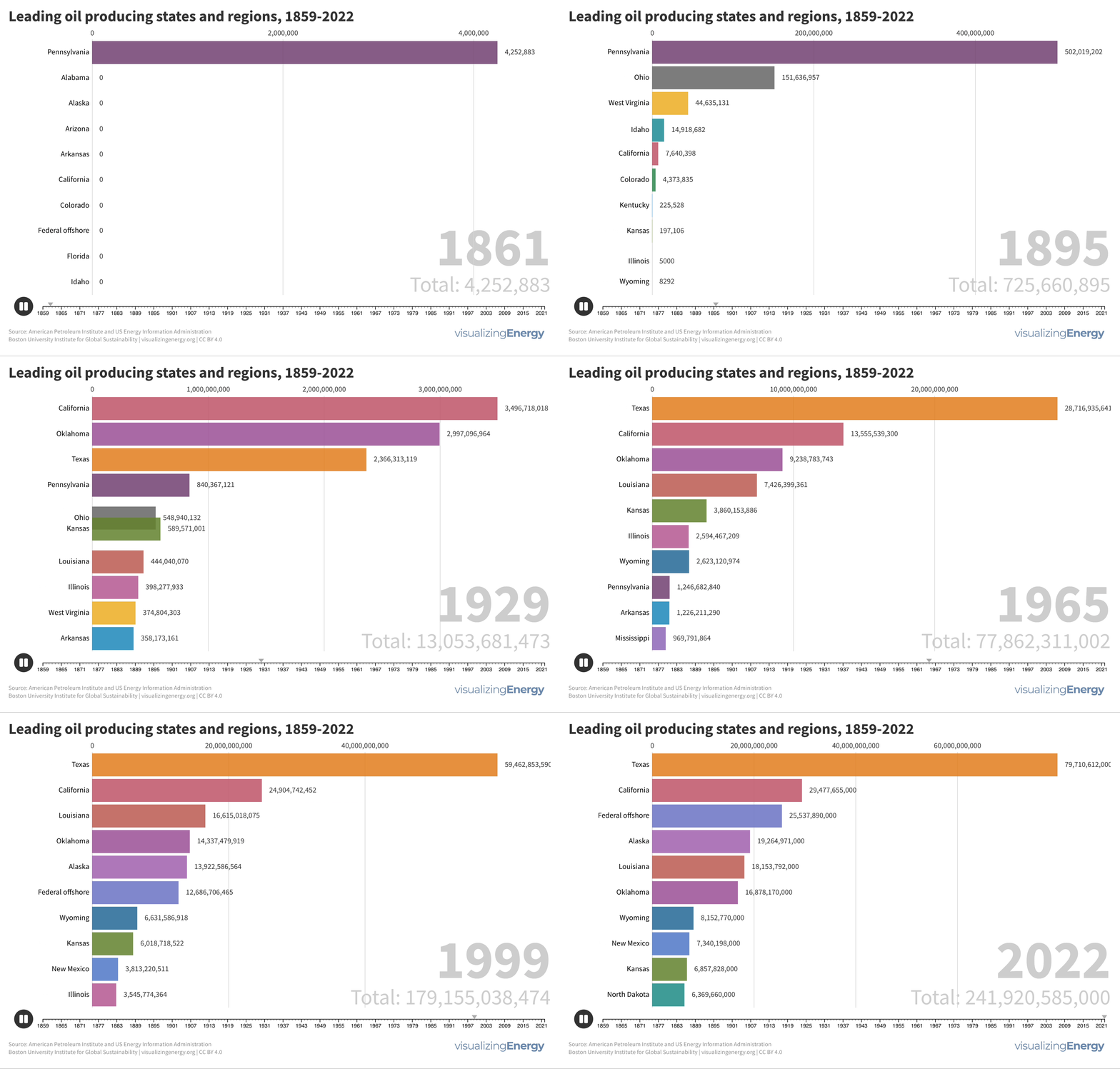
The United States has played a significant role in global oil production, contributing 17% since 1900, with Texas being a major player, accounting for one-third of the nation’s oil production. Technological advancements like hydraulic fracturing and horizontal drilling led to record U.S. oil production in the 2010s, making the country the world’s largest oil producer and a net oil exporter.
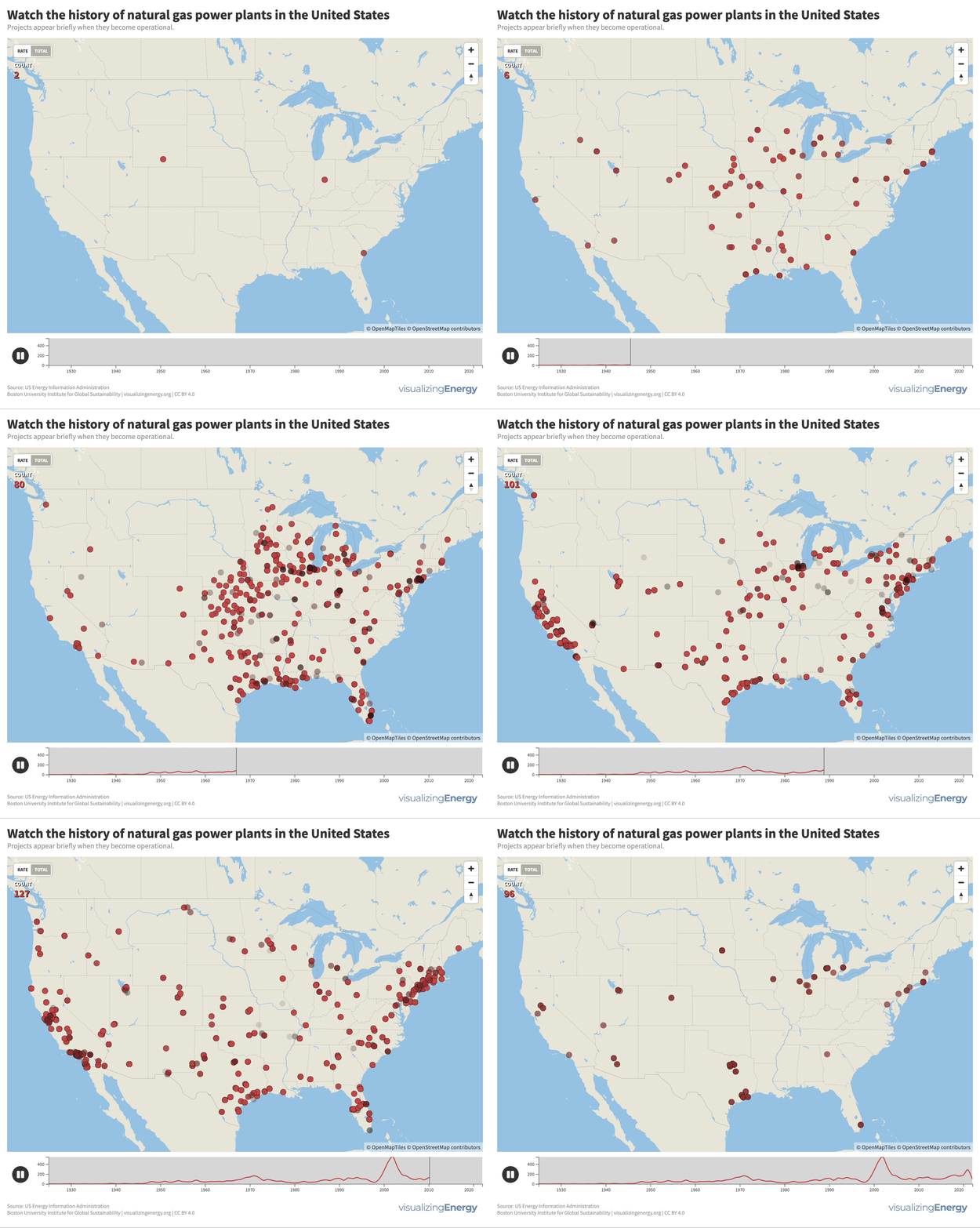
Since the 1920s, natural gas-fueled power plants grew gradually. After WWII, advancements in technology and fracking increased US electricity generated by natural gas from 16% in 2000 to 38% in 2021.
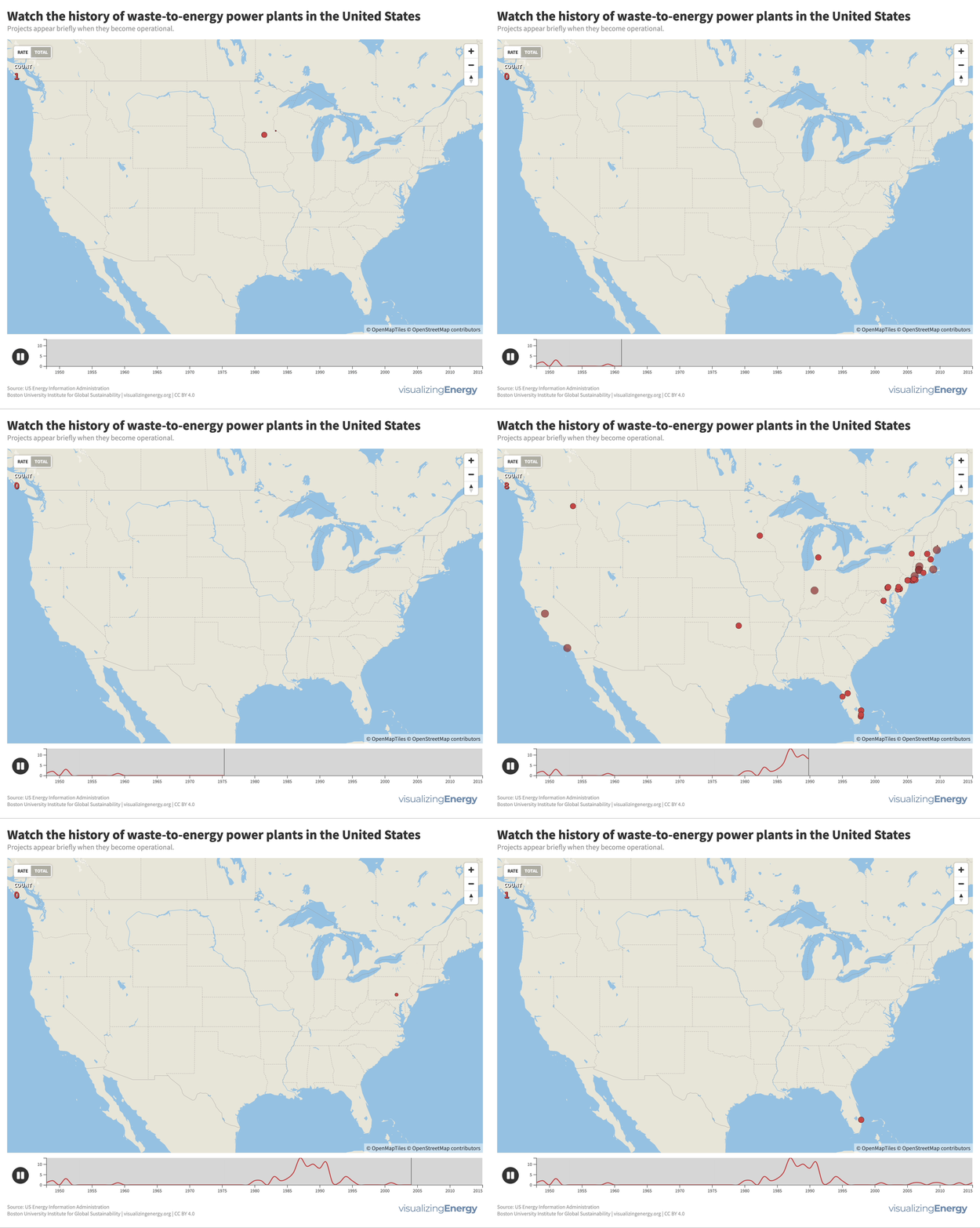
Waste-to-energy (WTE) plants in the US burn municipal solid waste to generate electricity, contributing less than one percent of the total. Initially developed due to landfill space scarcity, the renewable classification is disputed due to non-biogenic waste. Few new facilities have been built since the 1990s due to opposition, high costs, and increased focus on recycling and waste reduction.
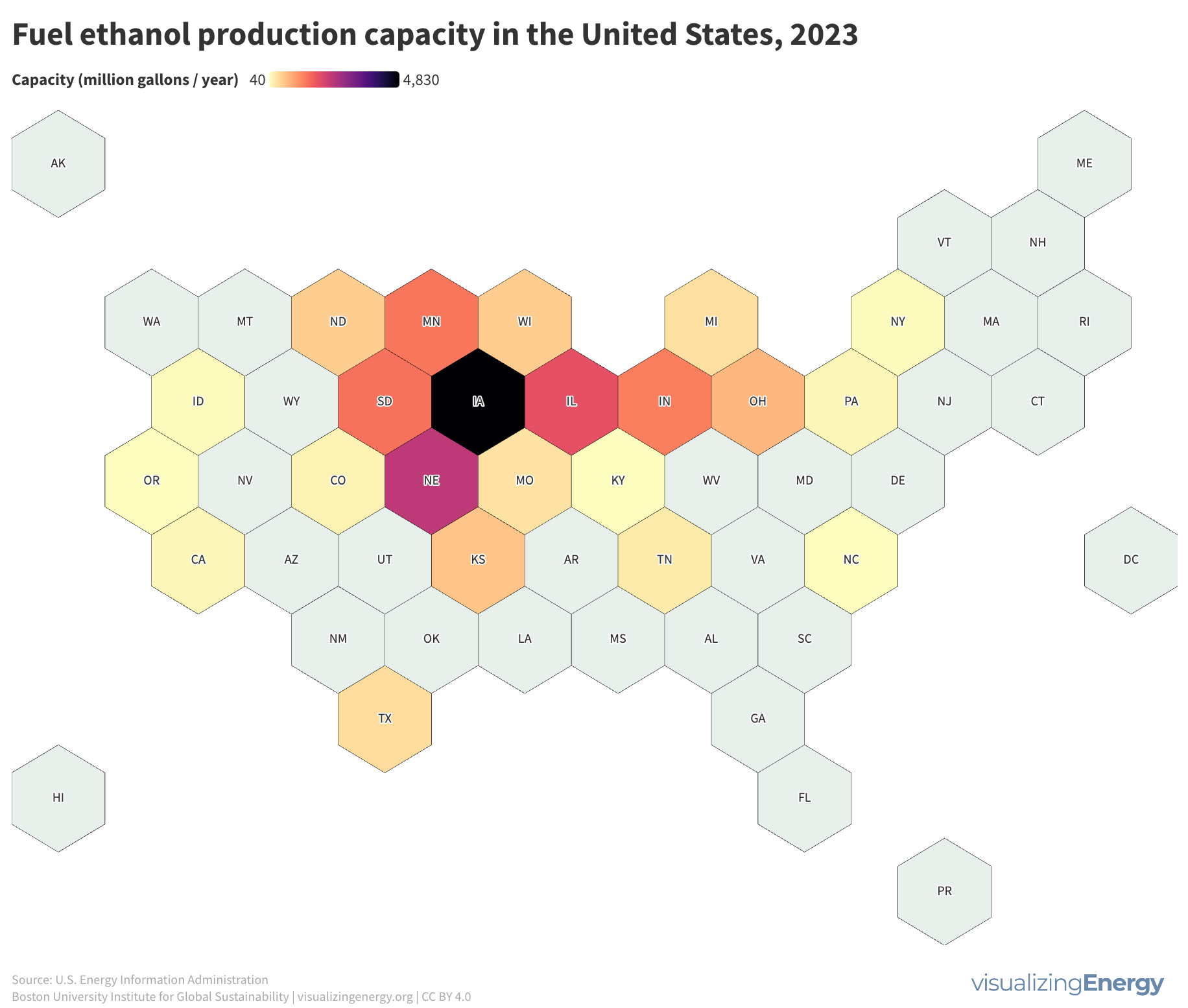
Henry Ford’s early vehicles ran on ethanol, which became commercially significant in the 1970s after the phase-out of lead in gasoline. Ethanol blending has been supported by various government policies, including tax incentives and the Renewable Fuel Standard. Ethanol production surged, particularly in the Midwest, driven by high corn production. While ethanol offers economic and environmental benefits, it also raises concerns about environmental impacts and the efficacy of subsidies. Changes in ethanol demand significantly affect corn prices and agricultural practices.
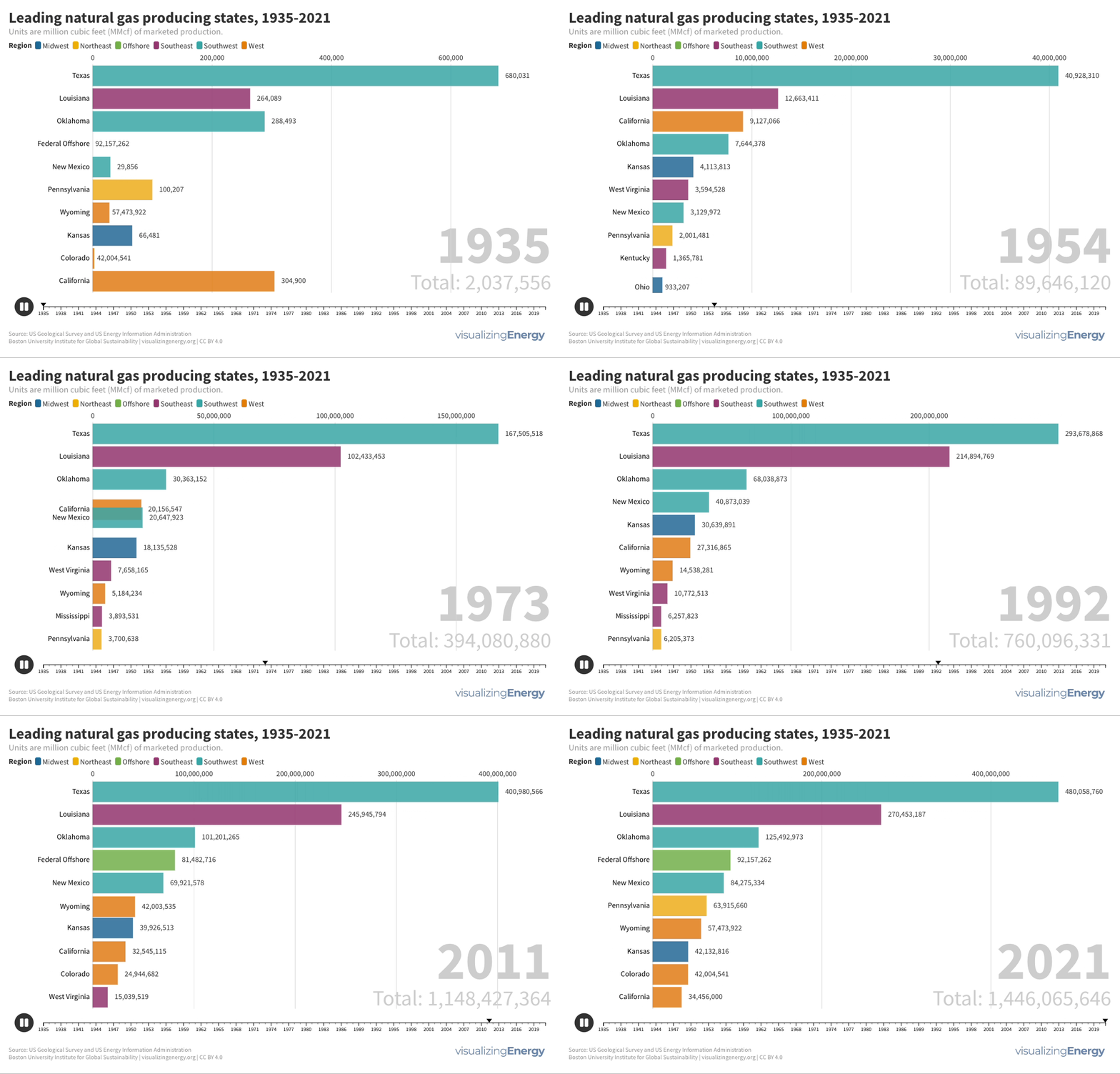
Approximately 4934 trillion cubic feet of gas have been produced globally since 1900, with the United States contributing around 30%. Texas and Louisiana account for over half of US natural gas production. The introduction of fracking led to a significant increase in production, making the US a major exporter.
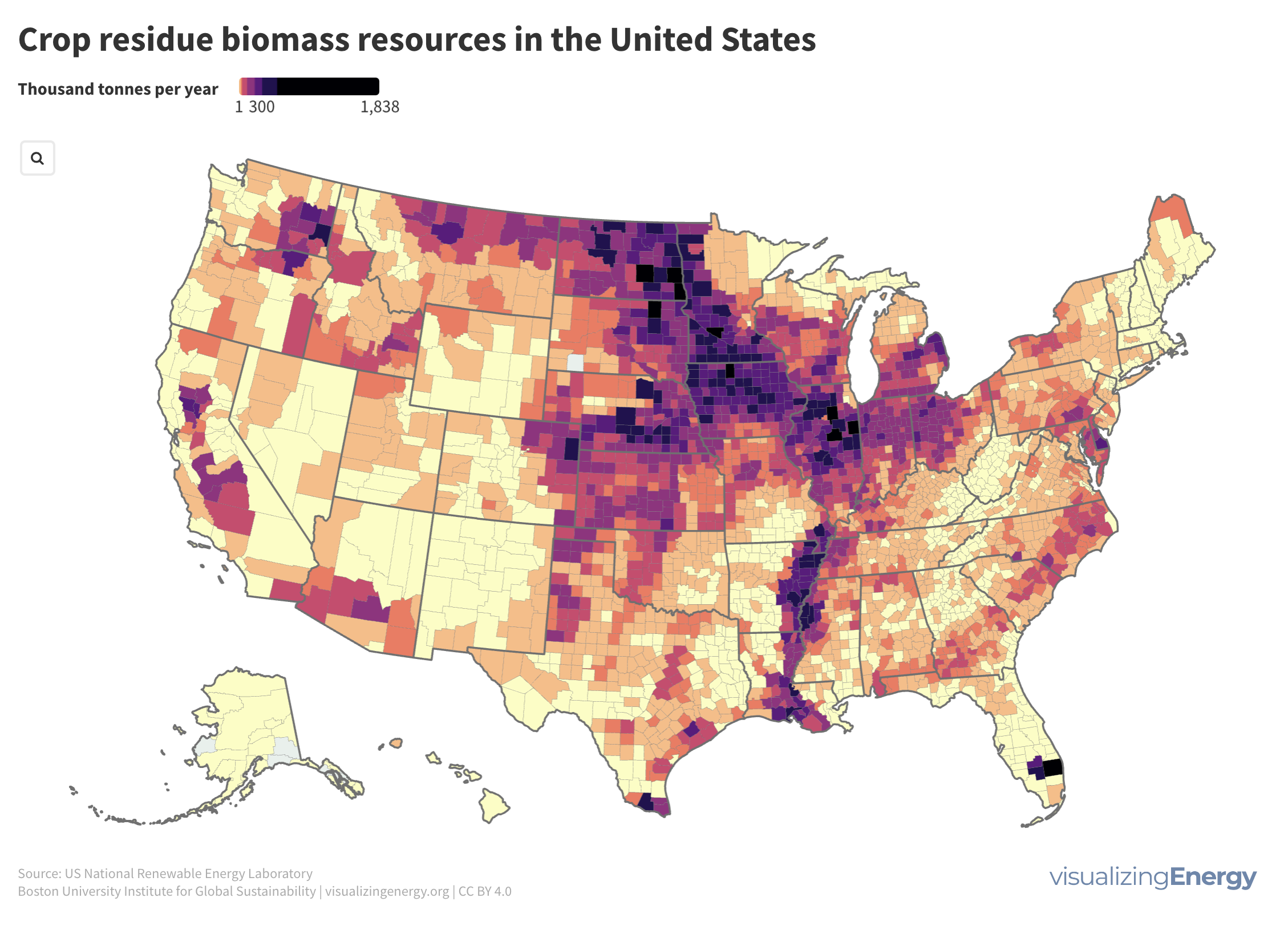
Biomass, derived from plants and animals, is a renewable energy source. The National Renewable Energy Laboratory mapped biomass resources in the US, including crop residues, forest residues, primary and secondary mill residues, and urban wood waste. These resources are used for heat, electricity, and fuel production. The maps offer county-level data for these resources.