
Explore hydrogen district heating with Sankey diagrams
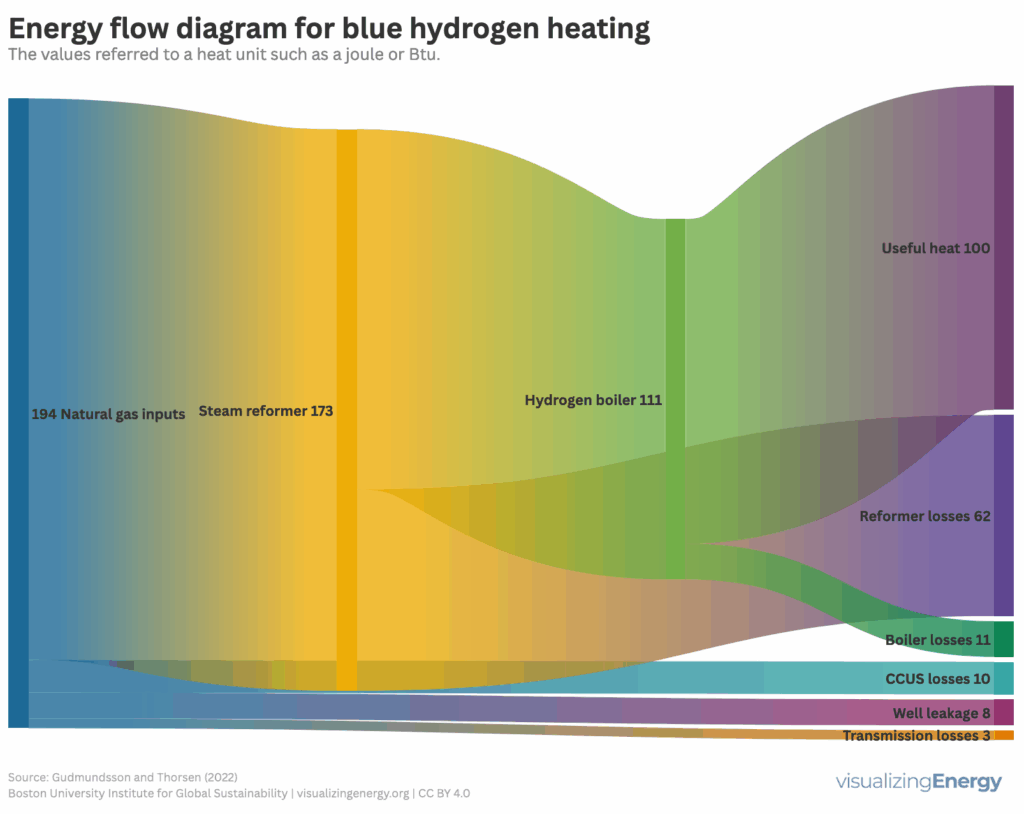
The article examines hydrogen energy as a decarbonization strategy, focusing on its use in district heating systems. It highlights efficiency comparisons between blue and green hydrogen pathways, emphasizing that district heating is generally more efficient and cost-effective. Despite its advantages, high initial costs and regulatory challenges hinder widespread adoption.
Global black carbon emissions, 1750-2022
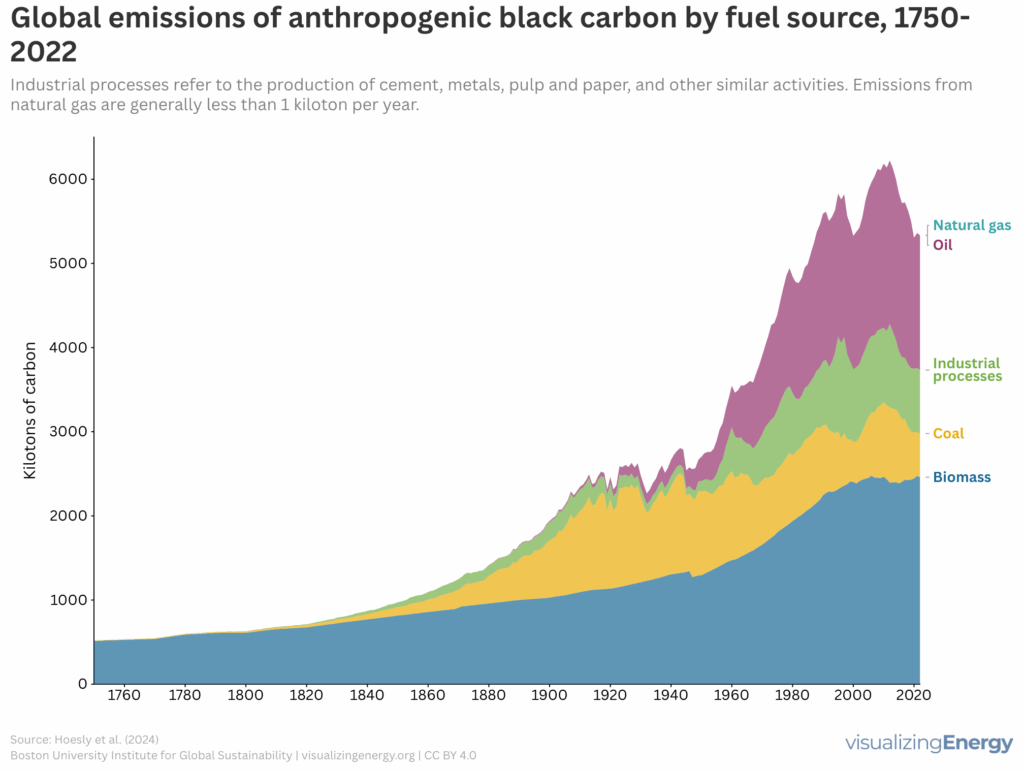
Anthropogenic black carbon, or soot, arises from incomplete combustion of organic materials, significantly impacting climate change and public health. It causes global warming, degrades air quality, and leads to various health issues. Major contributors include residential fuel usage and transportation emissions. Reducing black carbon relies on cleaner fuel access and improved combustion technologies.
How does public finance support energy?
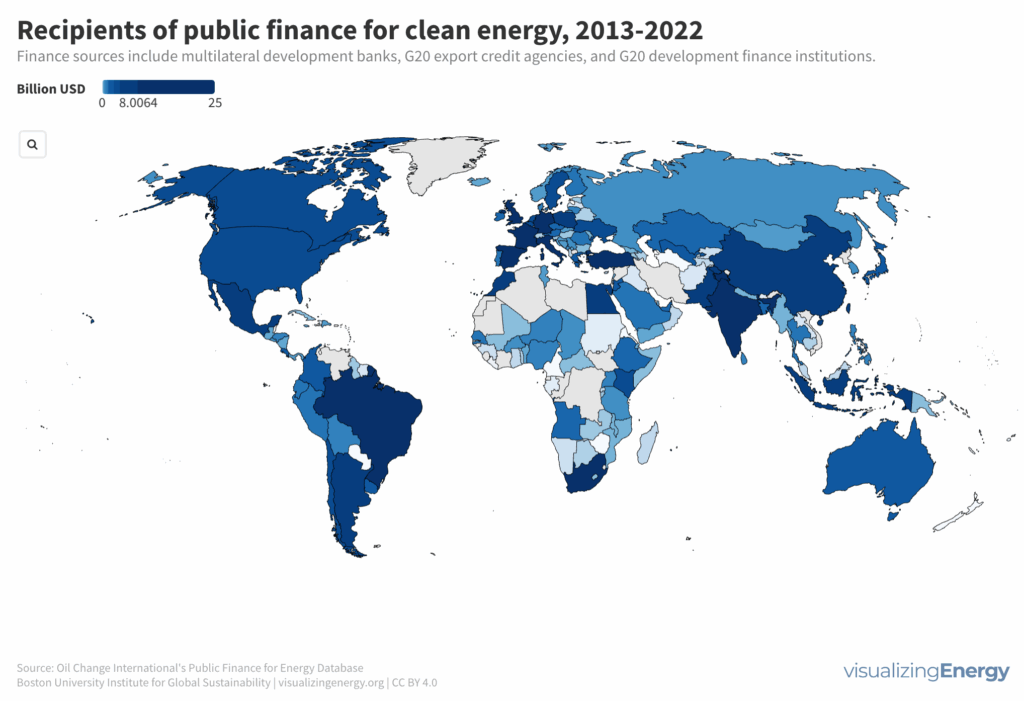
The global energy system encompasses diverse infrastructure requiring extensive investment, with USD 2.8 trillion spent in 2023. Public finance significantly supports energy projects, where fossil fuels received 56% of funding from 2013 to 2022. Clean energy finance increased until 2021, highlighting varying regional priorities and the dominance of large projects in funding distribution.
Oil and chemical releases into United States waters
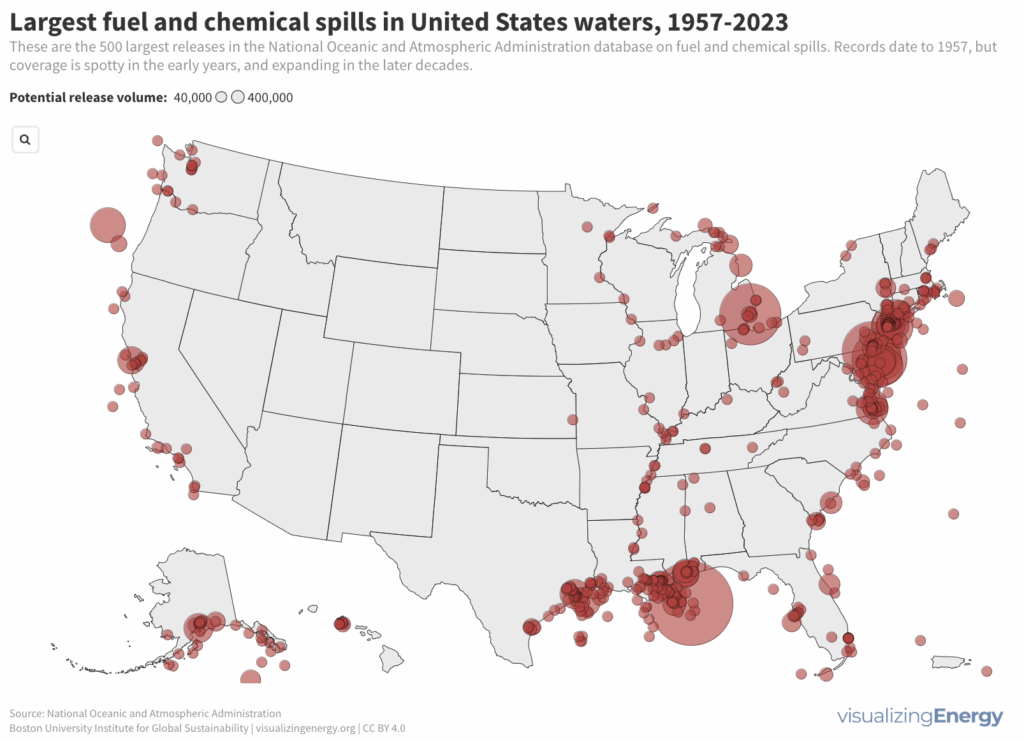
Crude oil and natural gas are refined into numerous fuel types and petrochemicals, contributing to over 6000 consumer products. However, extraction and processing lead to significant accidents, with approximately 4600 incidents reported since 1957, primarily affecting rivers and coastal areas due to industrial activities and transportation routes, highlighting environmental hazards.
The price of household heating in England, 1300-2000
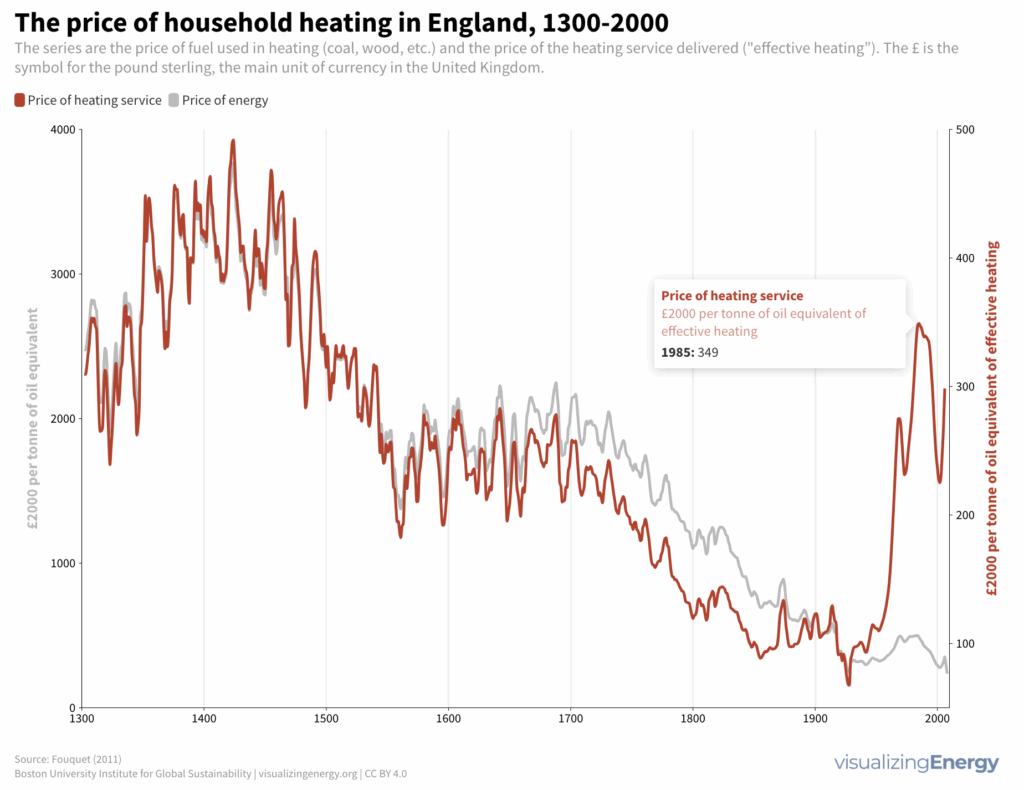
Energy historian Roger Fouquet’s analysis of historic energy transitions in household heating in England from 1300 to 2000 reveals interesting trends. The shift from wood to coal and later to natural gas resulted in fluctuations in fuel prices. Despite the increase in energy costs, improvements in technology and air quality led to a significant decrease in the price of heating services by 2000.
The decommissioning of wind turbines in the United States
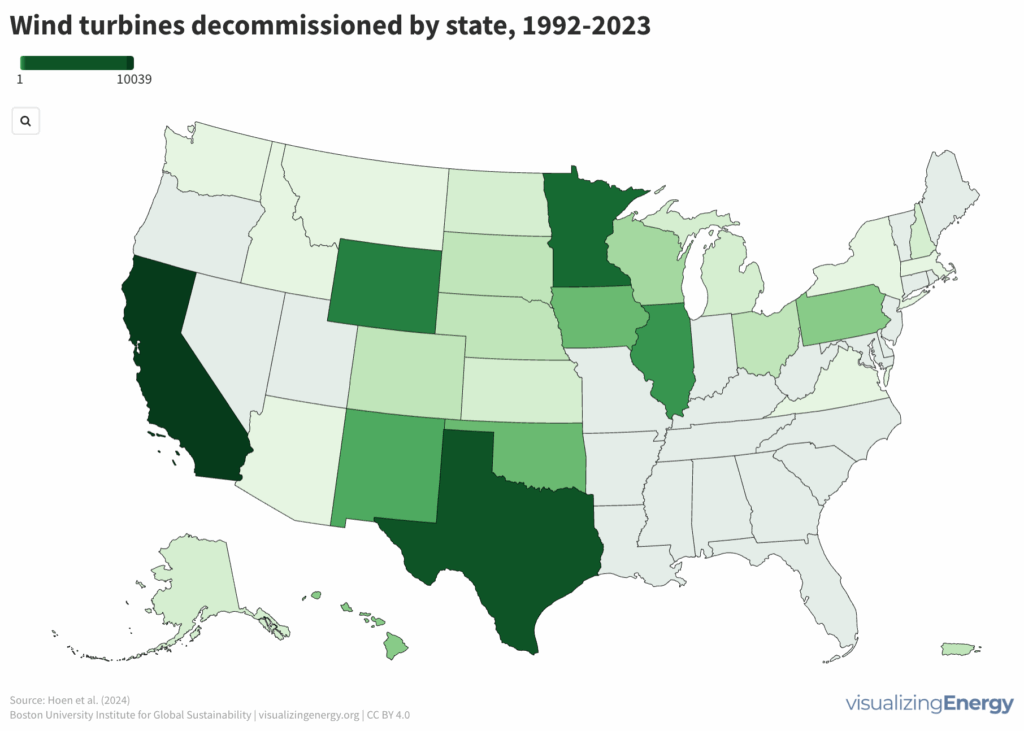
More than 86,000 wind turbines were built in the US from 1981 to early 2024, with over 11,000 decommissioned since 1992. Decommissioning presents waste management challenges, especially with the difficult-to-recycle turbine blades. Research is ongoing for recyclable blades, such as those made from plant material, to address the issue.
Where are the gasoline superusers in the United States?
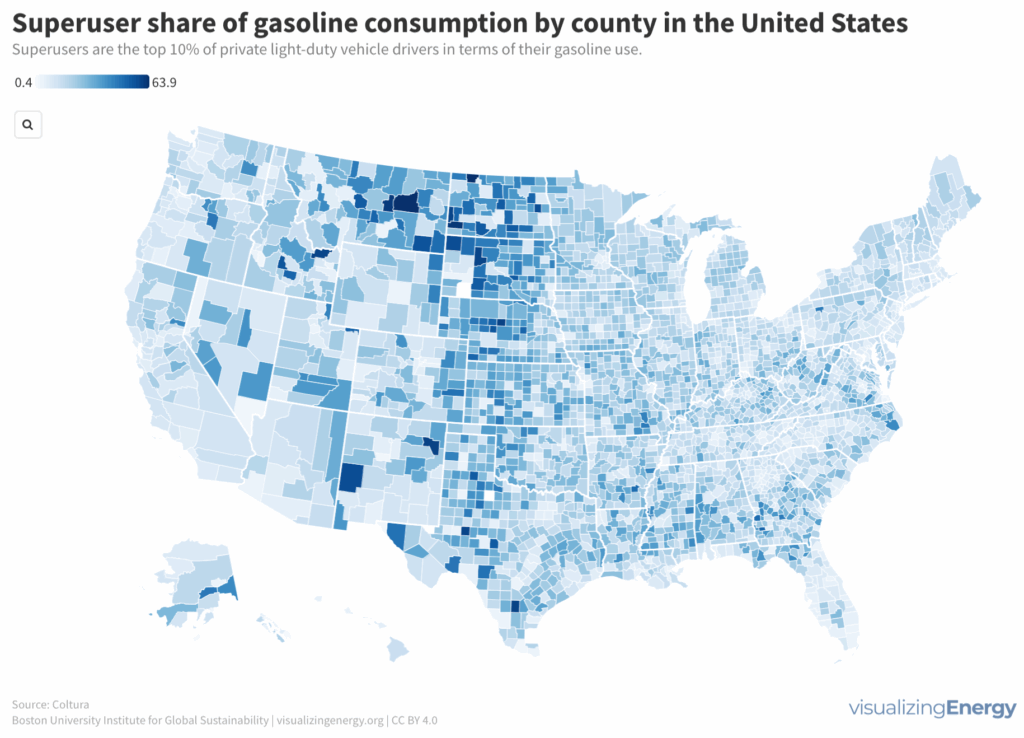
In 2023, US drivers consumed 376 million gallons of gasoline daily, with superusers accounting for 35% of usage. Rural areas have more superusers, spending 10.2% of their income on gasoline. They also tend to drive larger, less fuel-efficient vehicles. Electric vehicle policies targeting superusers could reduce energy burdens and emissions, benefiting low-income households.
Which banks fund upstream oil and gas?
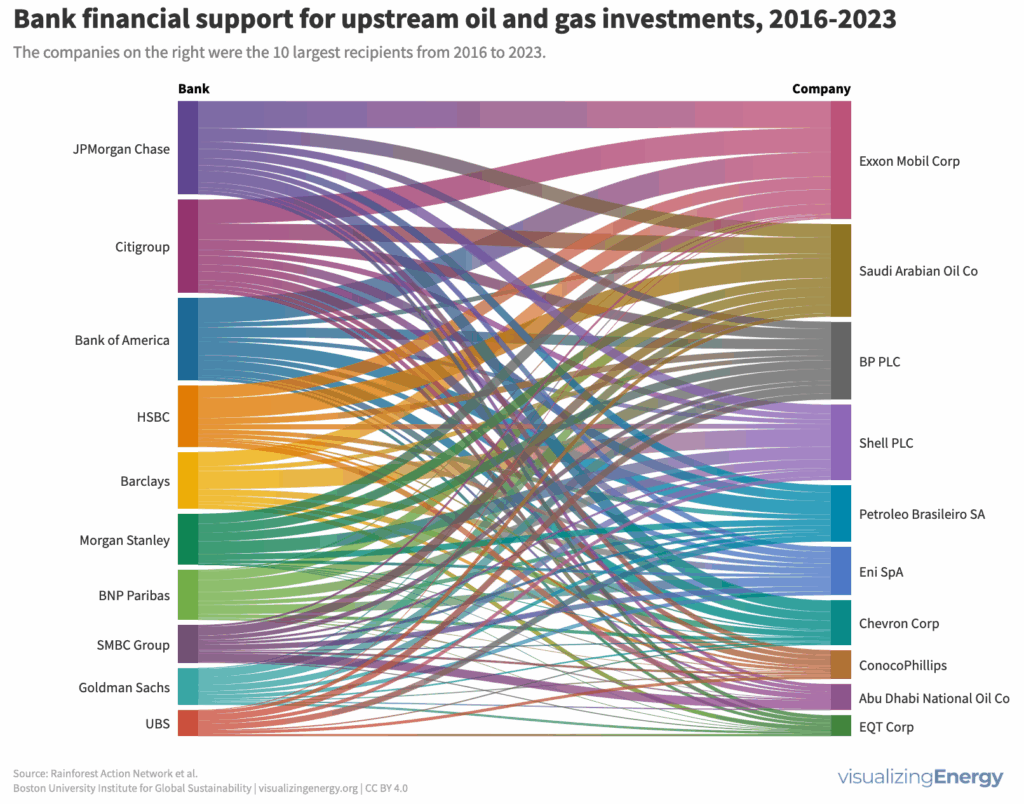
Global oil and gas consumption increased by 14% from 2013 to 2023, posing a challenge to limiting global warming. JP Morgan Chase led in financing upstream oil and gas activities, providing over USD 67 billion to various companies. Concerns were raised about banks’ commitment to reaching net zero emissions and prioritizing policies allowing the purchase of carbon offsets, which may promote greenwashing. Some oil and gas companies have weakened their commitments to reduce investment in upstream projects.
Global nuclear power capacity additions
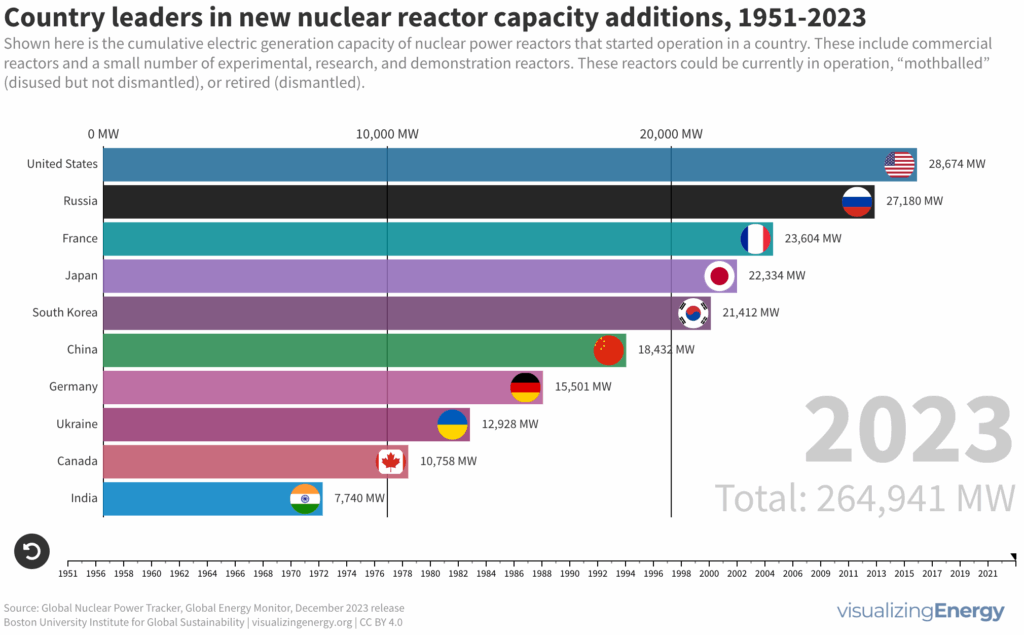
Nuclear power plants have a nameplate capacity of about 390 gigawatts and supply 10% of the world’s electricity. The United States, Russia, France, Japan, South Korea, and China account for 36% of global capacity. Capacity additions have declined due to accidents, rising costs, public opposition, and the increasing attractiveness of renewable power generation.
Electricity generation from nuclear power
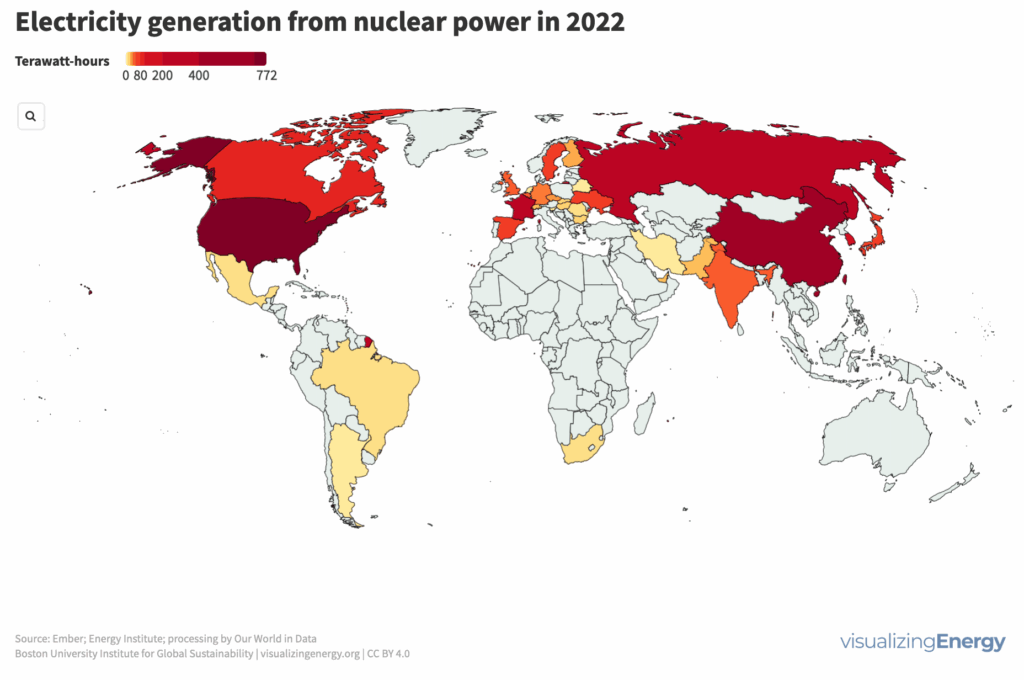
In 2024, 440 nuclear power reactors operated in 32 countries, generating 10% of the world’s electricity. The US, China, France, Russia, and South Korea are the top generators. France leads in nuclear power usage (63%), followed by Slovakia, Hungary, Belgium, and Slovenia. Ukraine’s nuclear operations were impacted by the 2022 Russian invasion, causing fluctuating reactor activity.