
Who has a high energy burden in the United States?
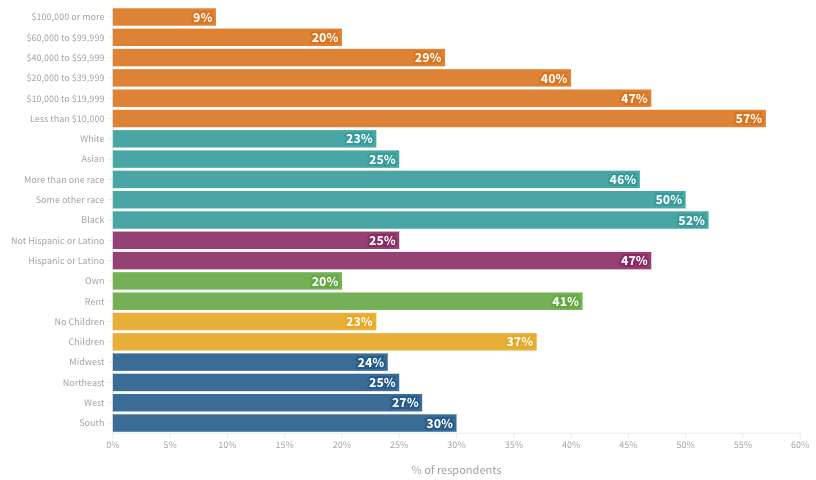
Many US households, particularly low-income, minority, and renting households, face a high energy burden, spending a significant portion of their income on fuel and electricity. In 2020, 27% of households reported difficulty paying energy bills. Federal programs provide some relief, but addressing the underlying causes of social inequity is crucial for long-term energy security.
Does more energy use raise incomes?
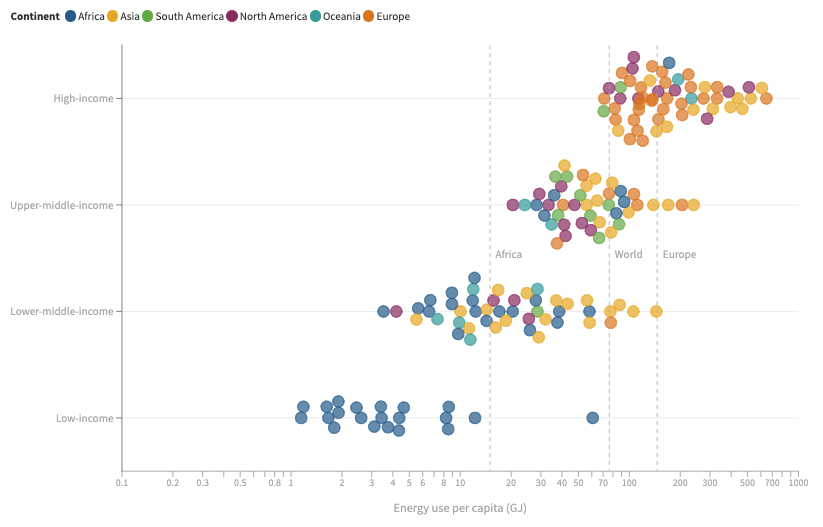
While moving up the income ladder is generally accompanied by increased energy use, there are significant variations within income groups. Factors such as the economy’s structure, geography, climate, lifestyle, public policy, and consumer attitudes also influence how effectively energy use translates into income.
Can global poverty be eliminated with more energy use?
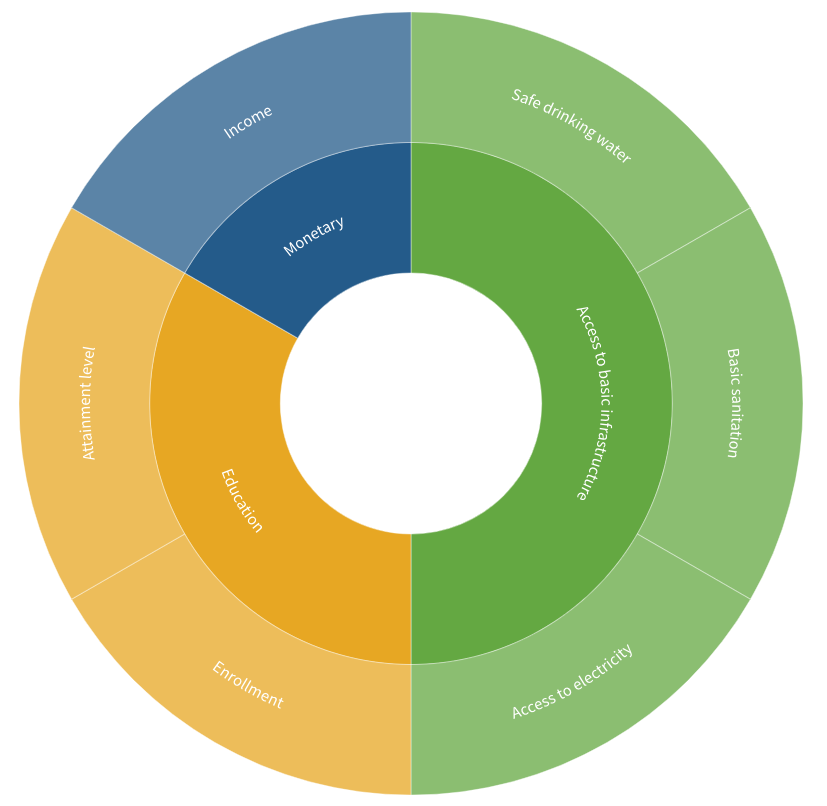
Increased energy use per capita is linked to decreased poverty rates. Modest energy increases can lead to significant poverty reduction, but the relationship is not always linear. Factors like governance and social policies also influence poverty levels. Beyond a certain threshold, further energy increases have diminishing returns.
What is prosperity and how is it related to energy use?
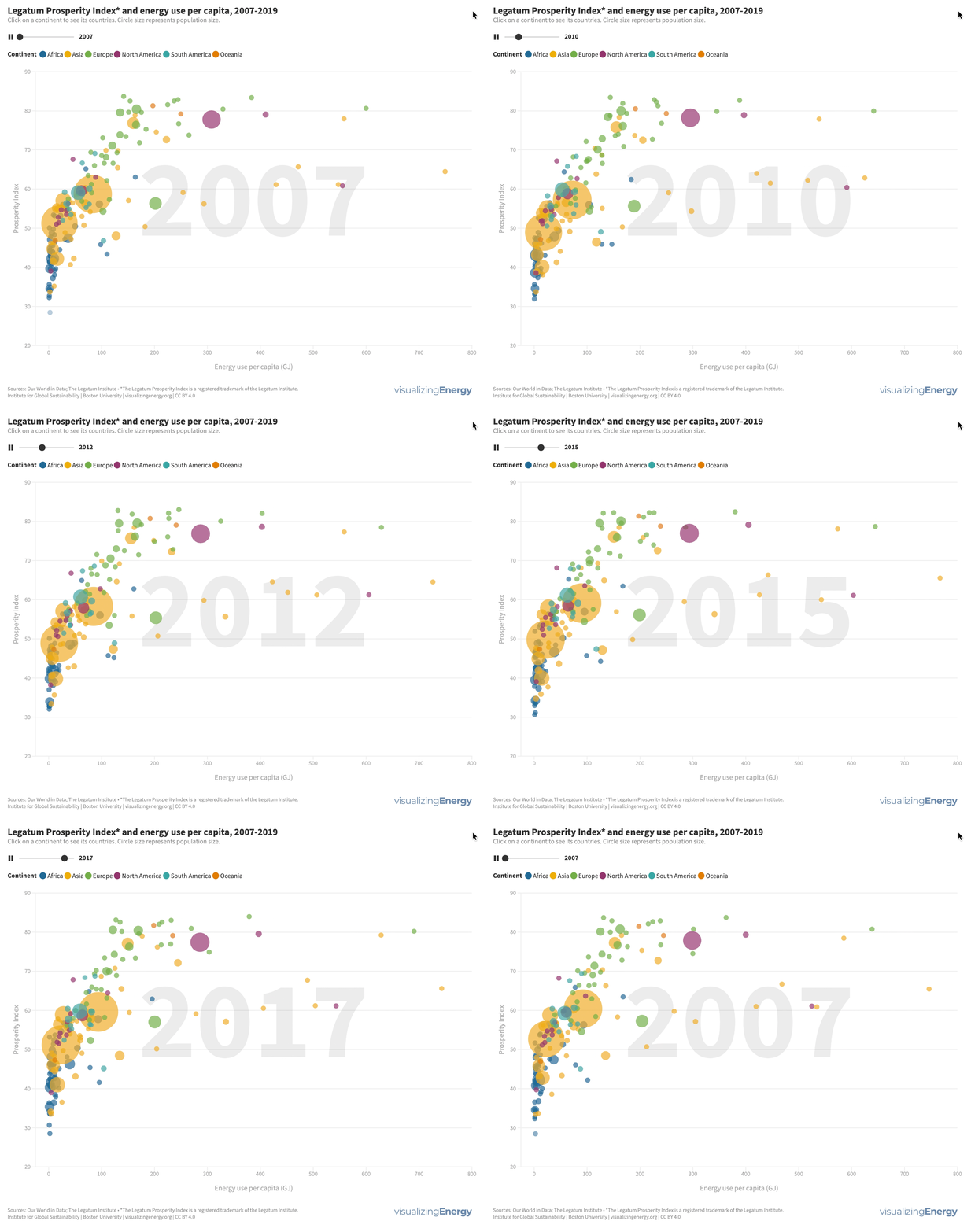
While energy use is connected to prosperity, the relationship is not linear. Different countries achieve varying levels of prosperity at the same energy use per capita, and there are diminishing returns where increased energy use results in smaller improvements in prosperity. High levels of prosperity can be achieved with lower energy consumption.
Is the United States government doing enough to reduce energy poverty?
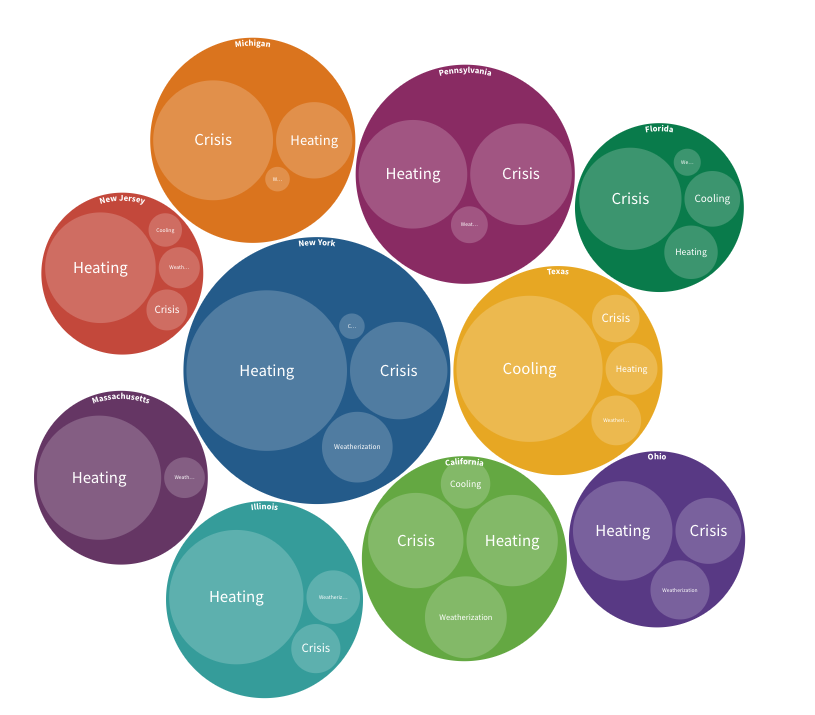
Energy poverty is a significant concern in the United States, with over one in four households experiencing insecurity. Government programs like LIHEAP and WAP aim to address this issue, but funding levels often fall short of the need. A more comprehensive approach is necessary, considering the impact on well-being and addressing racial and socioeconomic disparities.
Has Renew Boston Trust improved energy efficiency and reduced emissions?
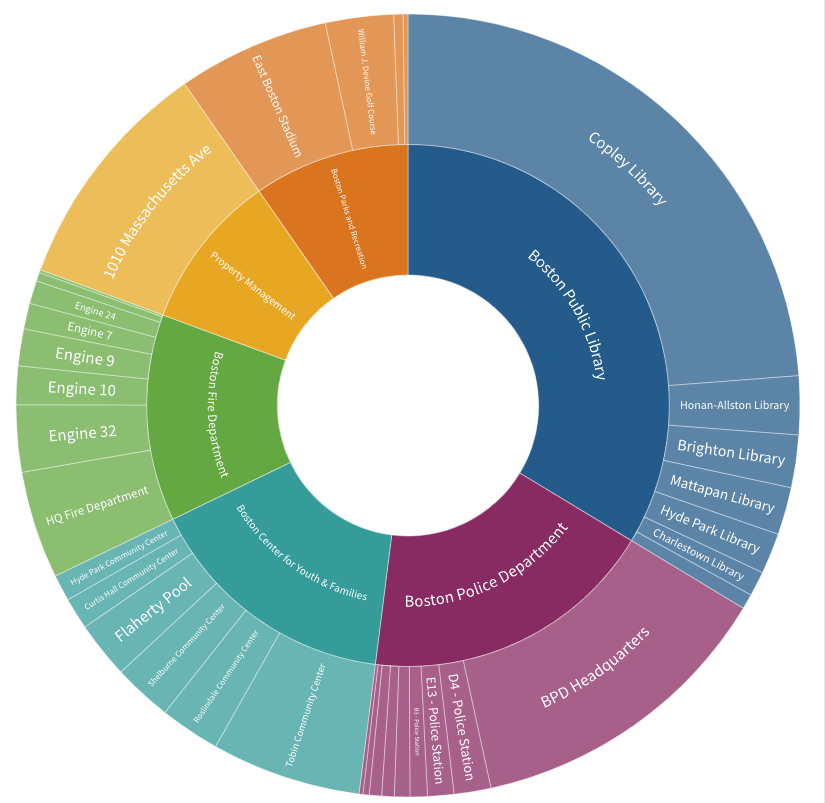
Renew Boston Trust is a program launched by the City of Boston to improve energy efficiency in municipal buildings. By implementing energy conservation measures, such as lighting upgrades and weatherization, the program aims to reduce energy use and lower greenhouse gas emissions
How has the COVID-19 pandemic affected energy insecurity in the United States?
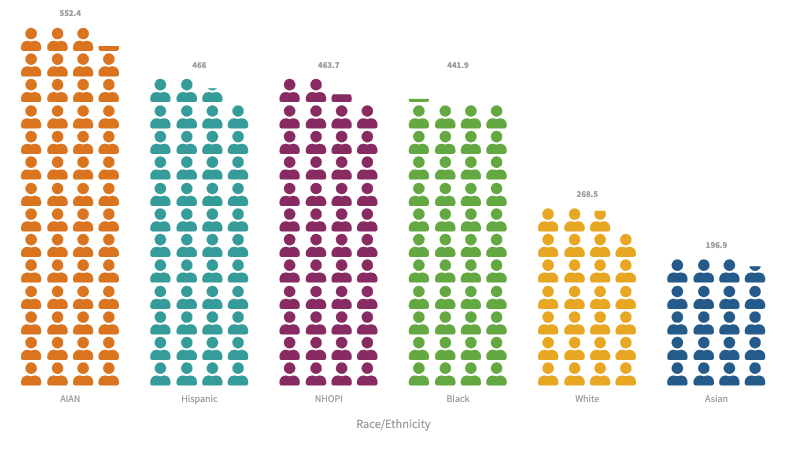
The COVID-19 pandemic worsened energy insecurity in the US, particularly for vulnerable populations. Prior to the pandemic, around 25% of low-income households struggled to pay energy bills, but during the early months of the pandemic, nearly 13% couldn’t afford them. Racial and ethnic disparities were exacerbated, with Black and Hispanic households facing higher odds of disconnection