
How do people in Nigeria and Ghana experience energy insecurity?
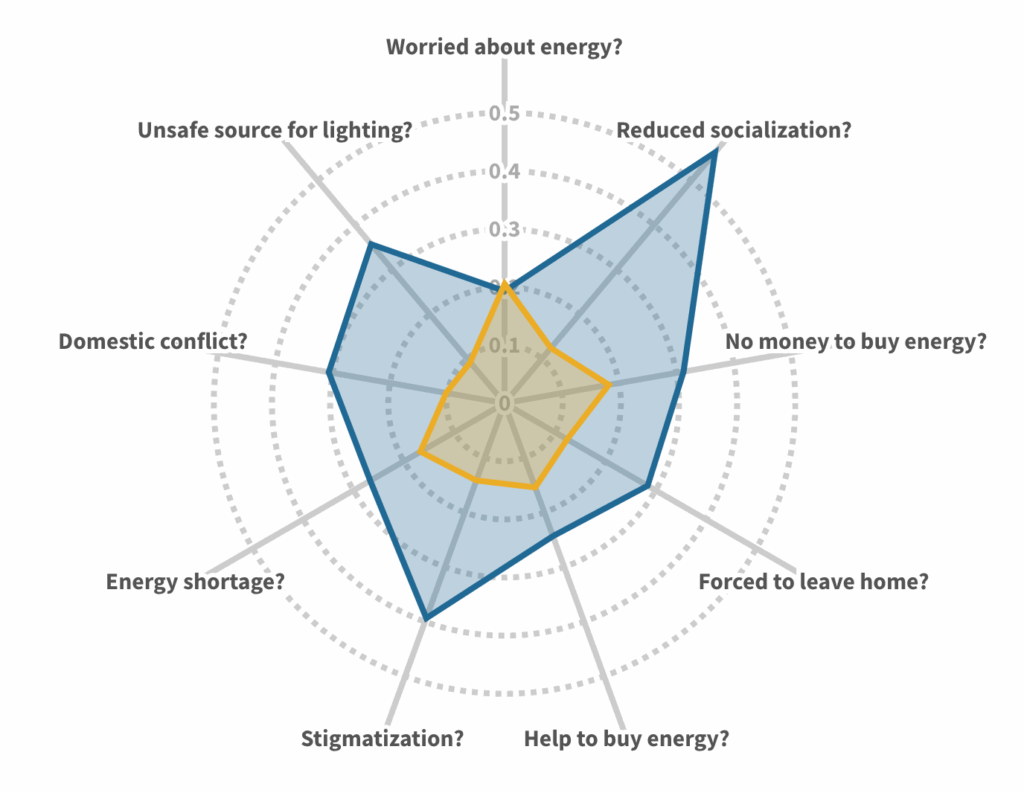
Energy insecurity in Nigeria and Ghana is a pressing issue, with challenges in accessing affordable and clean energy. Nigerians face more severe experiences, including social exclusion, while Ghanaians deal with payment responsibilities and cooking methods. Addressing these issues is crucial for improving energy access in both countries.
Explore Boston’s Energy, Climate, and Equity Initiatives
Does greater energy use reduce undernourishment?
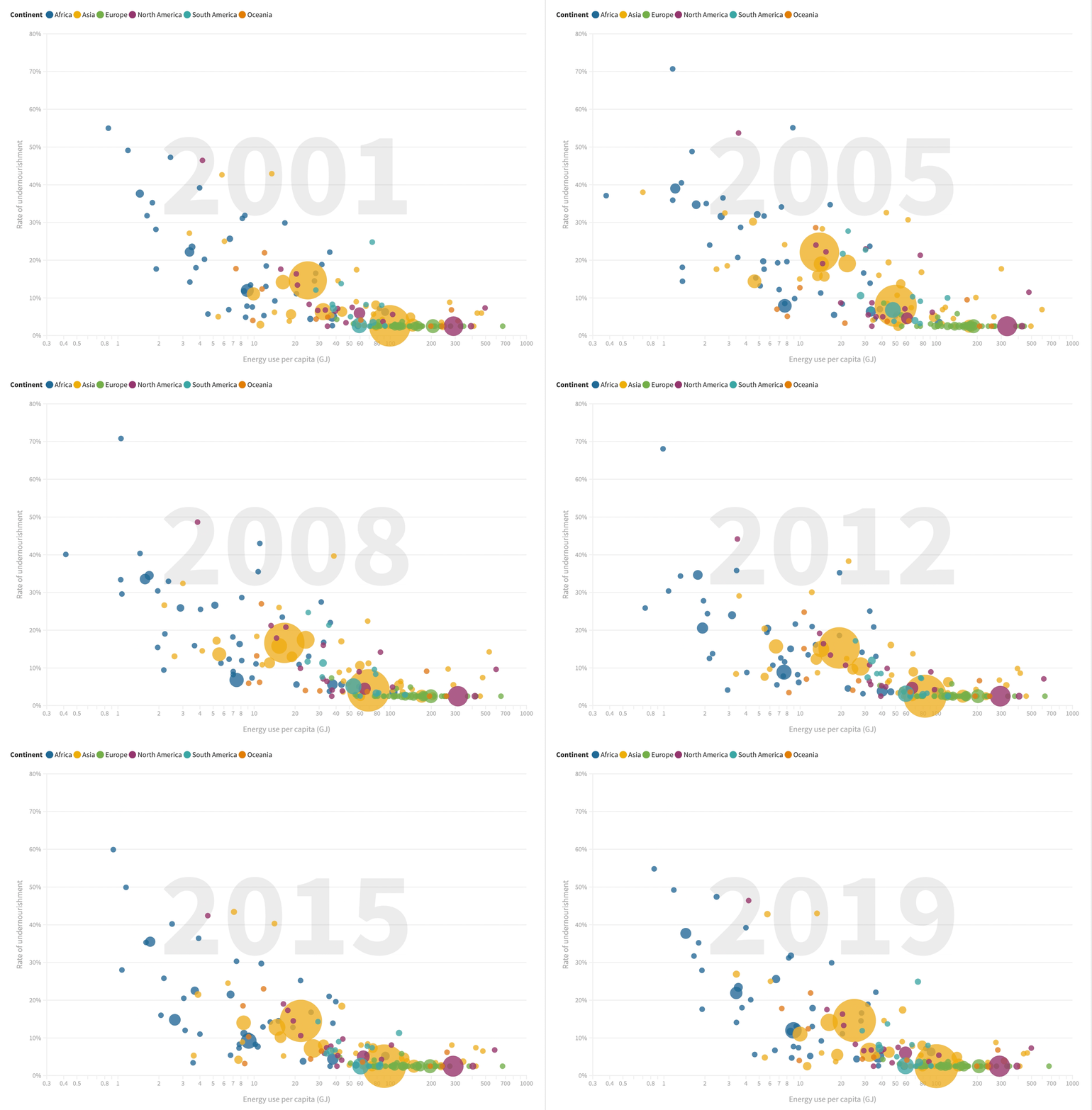
Energy access plays a vital role in reducing undernourishment and improving food security. It boosts agricultural productivity, enhances food quality, reduces losses, and enables transportation. However, addressing factors like political instability and poor policies is crucial alongside increasing energy use.
Can releases from the Strategic Petroleum Reserve lower energy prices?
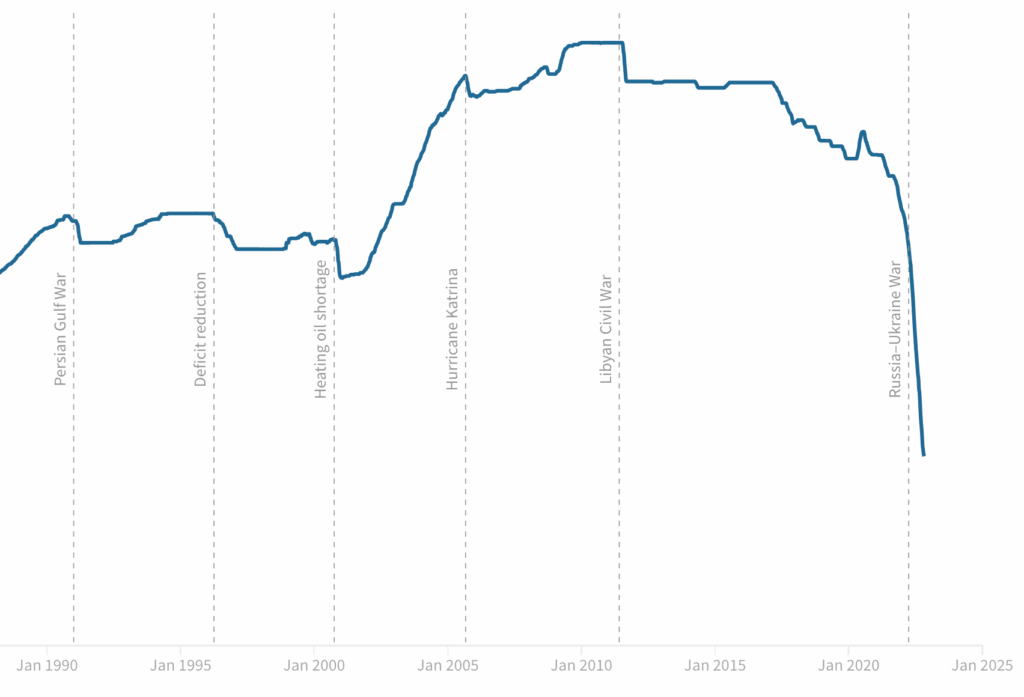
President Biden authorized the release of 180 million barrels of crude oil from the Strategic Petroleum Reserve to lower gasoline prices amid the Russia-Ukraine War. While previous releases had modest effects, the magnitude of this release is significant. Estimates suggest a reduction of $0.15 to $0.38 per gallon at the pump.
How did fracking transform the world energy landscape?
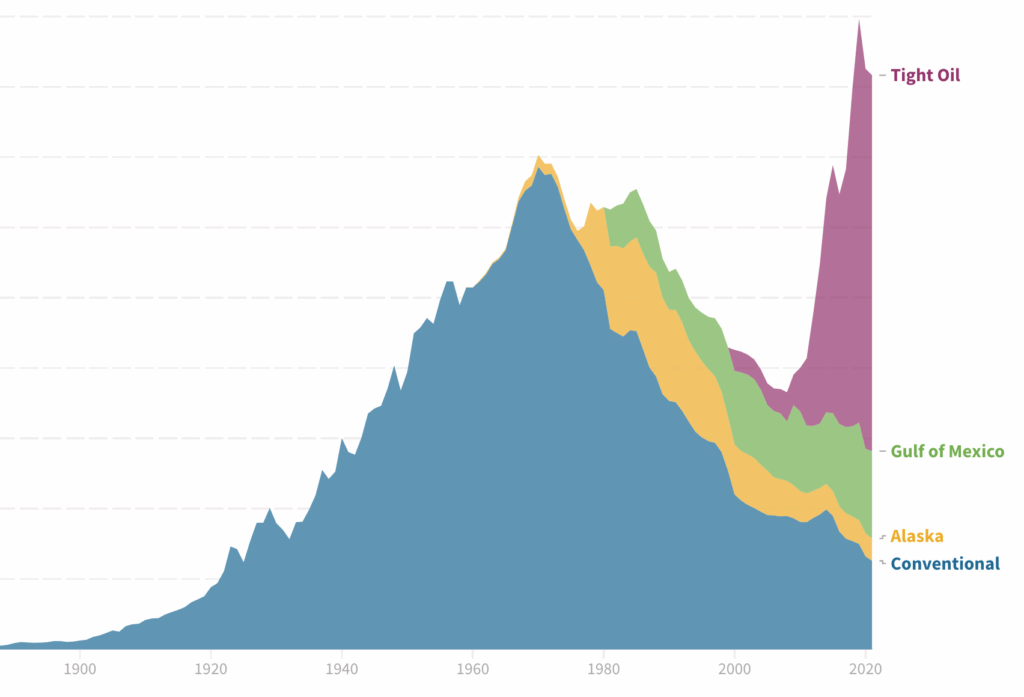
Fracking transformed the world energy landscape by unlocking untapped oil and gas resources. It led to increased domestic production, reduced import dependence, and stimulated economic growth. However, concerns have been raised about its environmental and health impacts, and its contribution to carbon emissions.
Will the Inflation Reduction Act enable the United States to meet its climate targets?
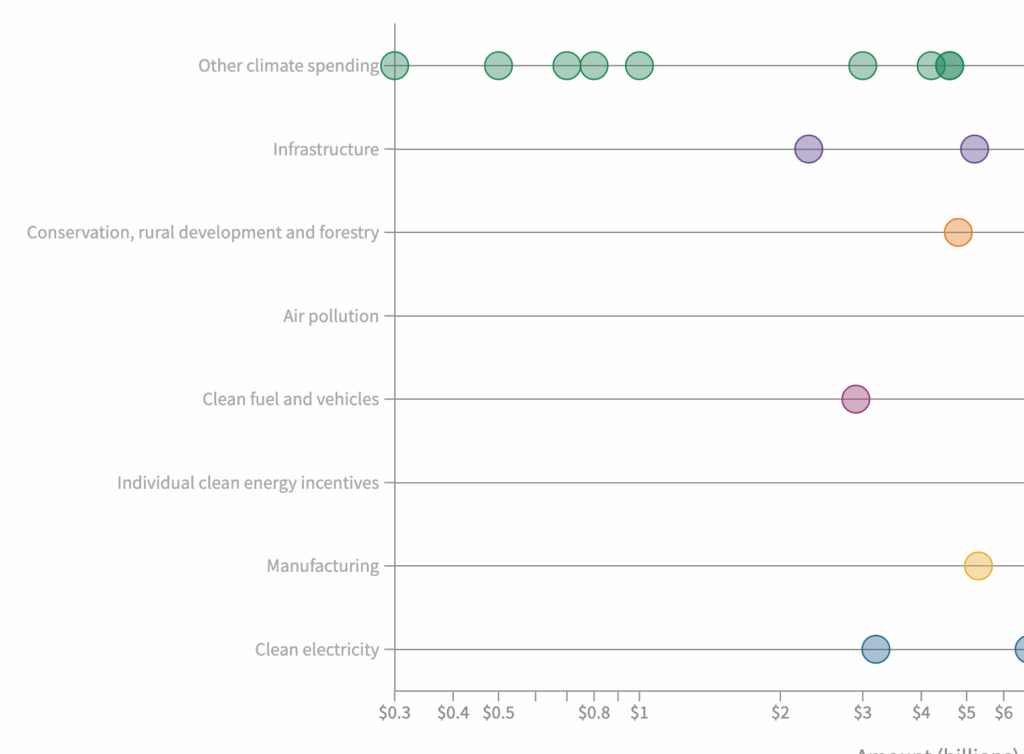
The Inflation Reduction Act (IRA) is the largest-ever federal program focused on energy and the environment, allocating $369 billion over a decade. With a laser focus on climate change, the IRA aims to cut greenhouse gas emissions, promote clean energy, and enhance climate resilience. Its provisions have the potential to create jobs, lower electricity costs, and significantly contribute to meeting the US climate targets.
Is Boston on track to be carbon-neutral by 2050?
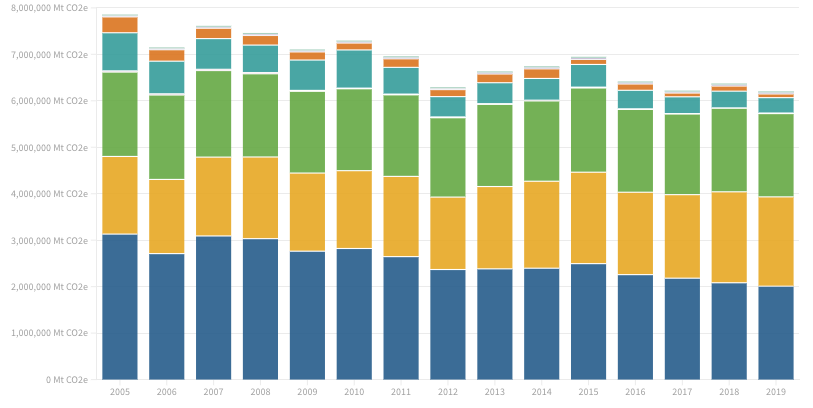
Boston strives for carbon neutrality by 2050, but faces hurdles with its reliance on fossil fuels. Buildings contribute most to emissions, driven by electricity and natural gas. Decarbonizing the grid and eliminating natural gas are vital for success. While progress has been made, meeting targets remains uncertain. Priorities include electrifying buildings, local energy planning, coastal resilience, and climate justice.
Does more energy use increase life expectancy?
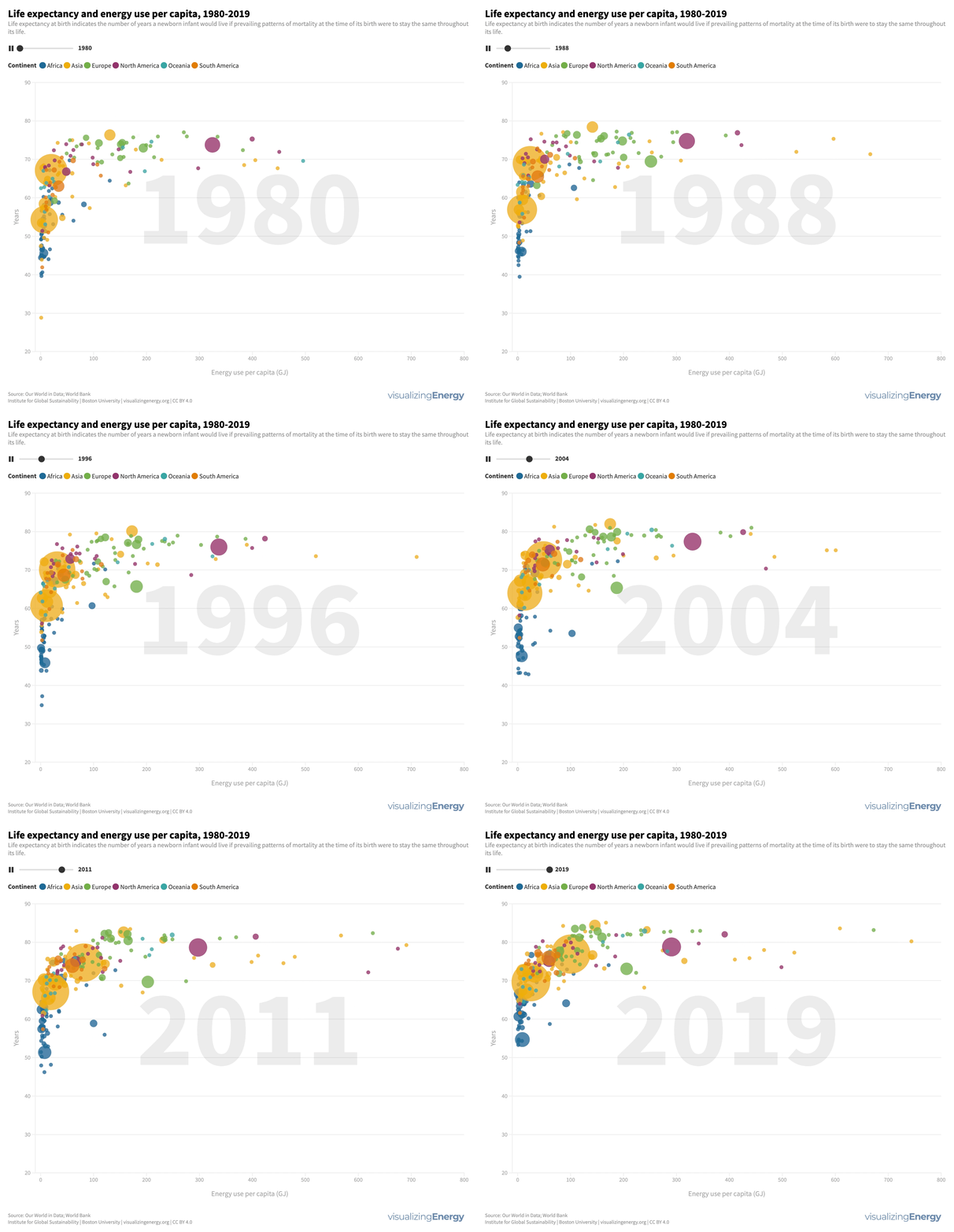
Energy use influences life expectancy. Access to energy services improves well-being and extends lifespan, while deprivation has the opposite effect. Modest energy increases positively impact longevity, especially in low-energy regions. However, beyond a certain point, additional energy use has diminishing returns for life expectancy.
Where is new geothermal power in the world being built?
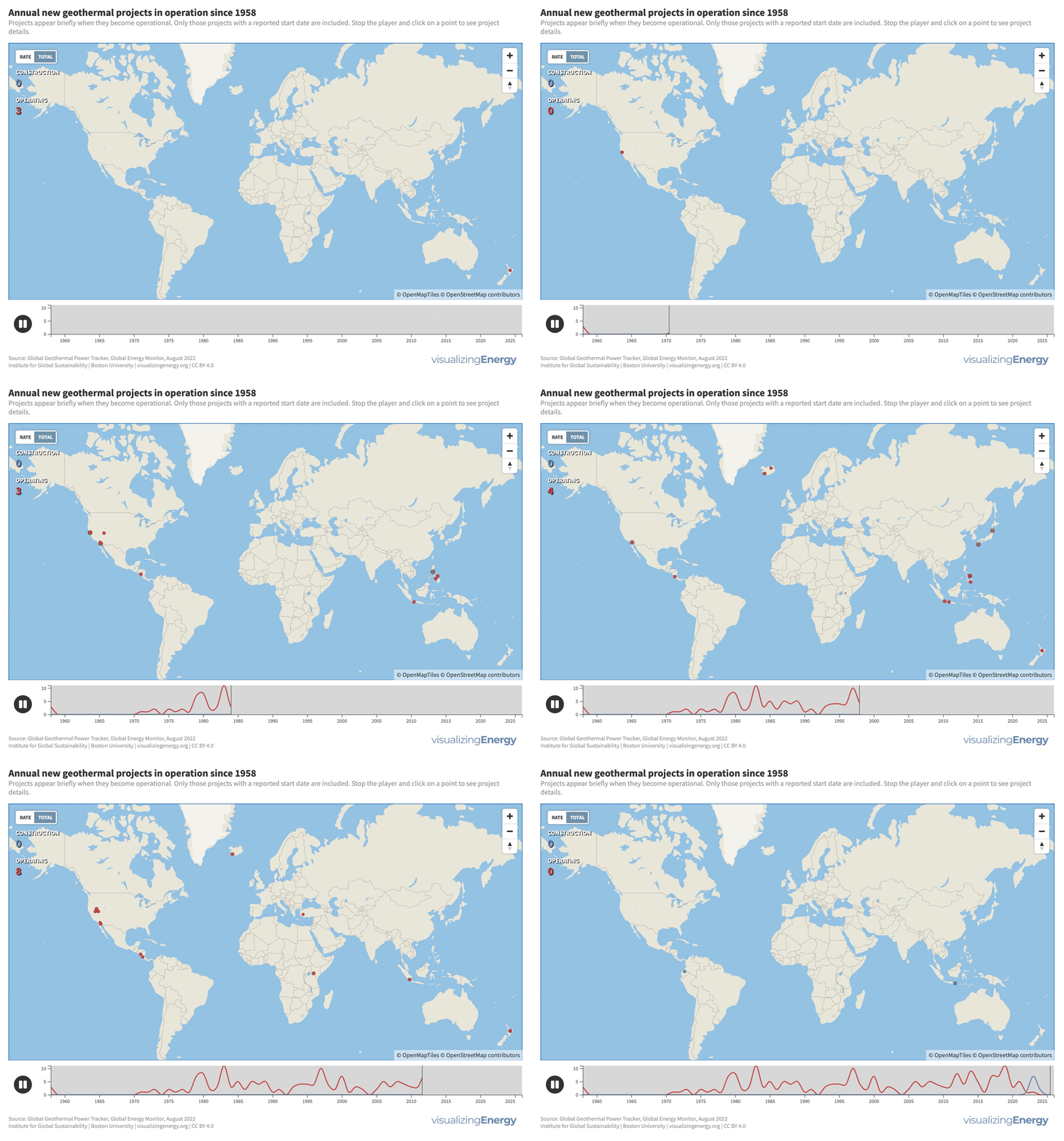
Geothermal power has a long history, with Native Americans and ancient civilizations like the Greeks and Romans utilizing its benefits. Today, countries such as the United States, Indonesia, the Philippines, Turkey, and New Zealand are leading the way in building new geothermal power projects to harness clean and sustainable energy from the Earth’s heat.
Where is new solar power in the world being built?
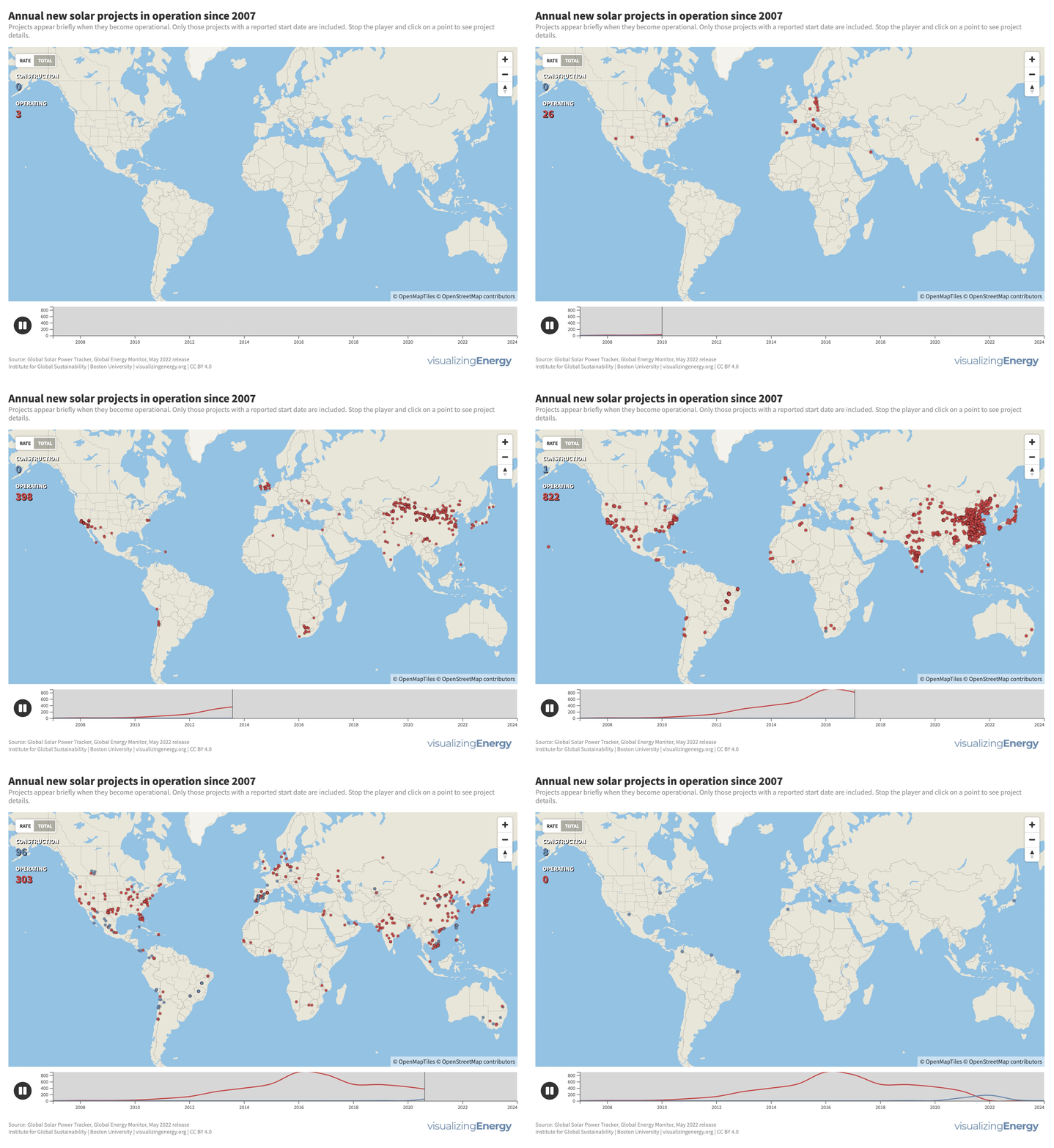
Countries worldwide, including Germany, Spain, China, the United States, and others, are rapidly expanding their solar power infrastructure. China has been a particularly prominent player, contributing nearly one-third of new capacity additions.