
Does more energy use lead to greater life satisfaction?
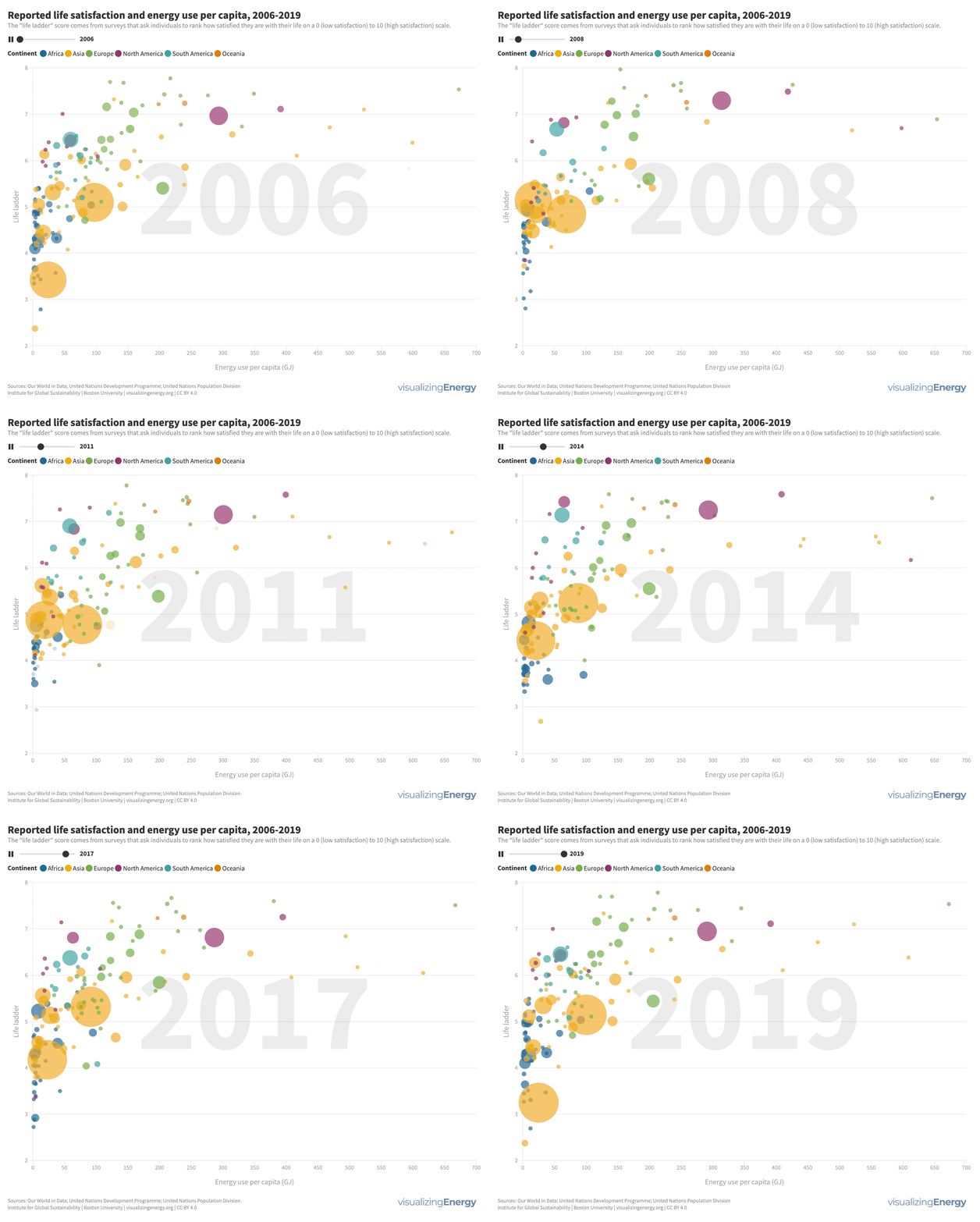
While higher incomes generally lead to greater life satisfaction, it’s not a guarantee. People in countries with high life satisfaction tend to use more energy, which can enhance comfort and mobility. Modest increases in energy use can significantly improve life satisfaction, but there are diminishing returns at higher levels.
Maximum efficiencies of engines and turbines, 1700-2000
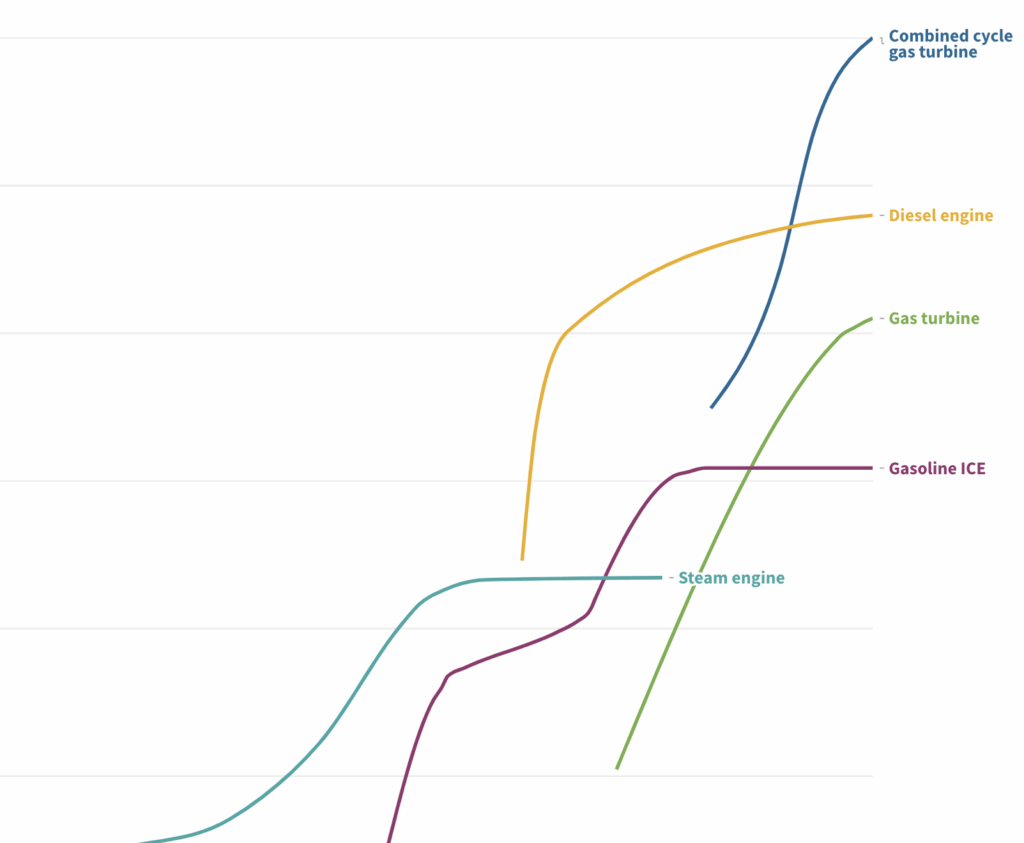
Throughout human history, the development of new machines to replace and enhance human and animal labor has played a major role in the energy sector. Key advancements include combustion engines and turbines, which convert fuels like gasoline and natural gas into useful work.
Health impacts from oil and gas production in the United States

Oil and gas activities contribute to significant air pollution, resulting in adverse health effects and economic costs. Emissions from drilling, production, and transportation release pollutants that are linked to asthma, heart attacks, and premature deaths, especially impacting vulnerable populations. Addressing these emissions is crucial for protecting public health, mitigating economic burdens, and implementing comprehensive policies to reduce air pollution from the oil and gas industry.
How the power of machines transformed the world
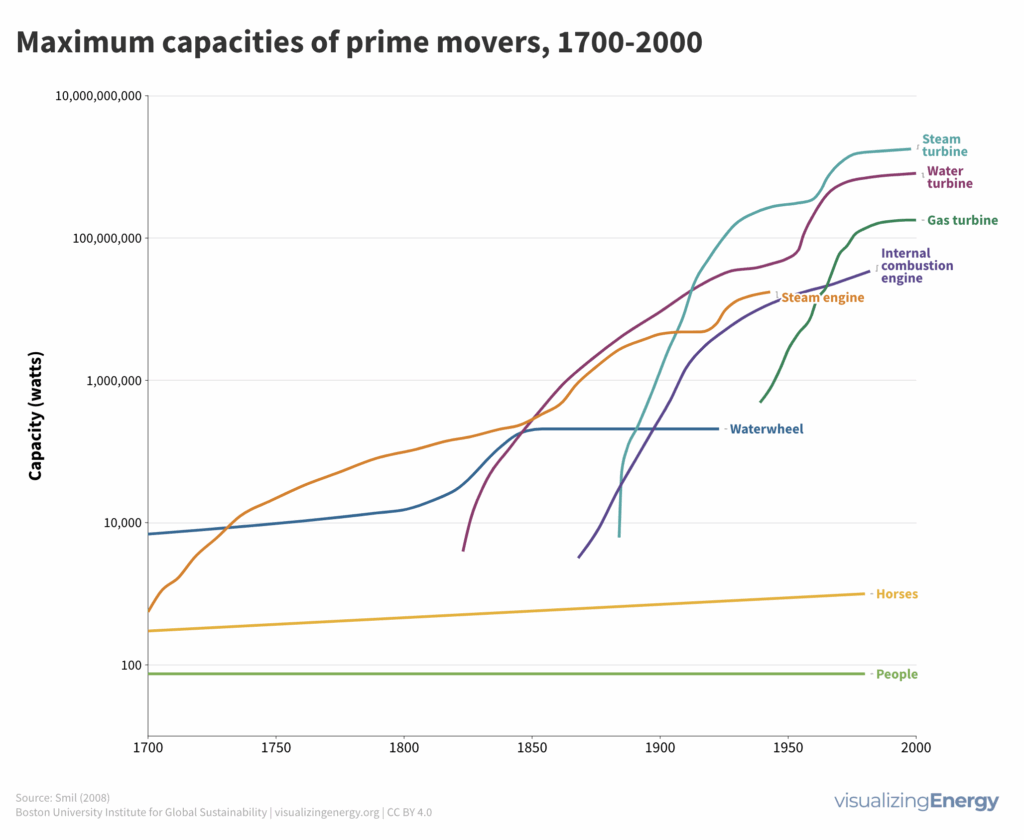
Throughout history, humans relied on their own muscles and later utilized draft animals and machines to perform physical tasks. The transformative impact of waterwheels, windmills, and the steam engine marked significant milestones in human energy history. Now, the transition to clean energy is crucial to mitigate the environmental impact and shape a sustainable future.
Who are the major LNG importers and exporters?
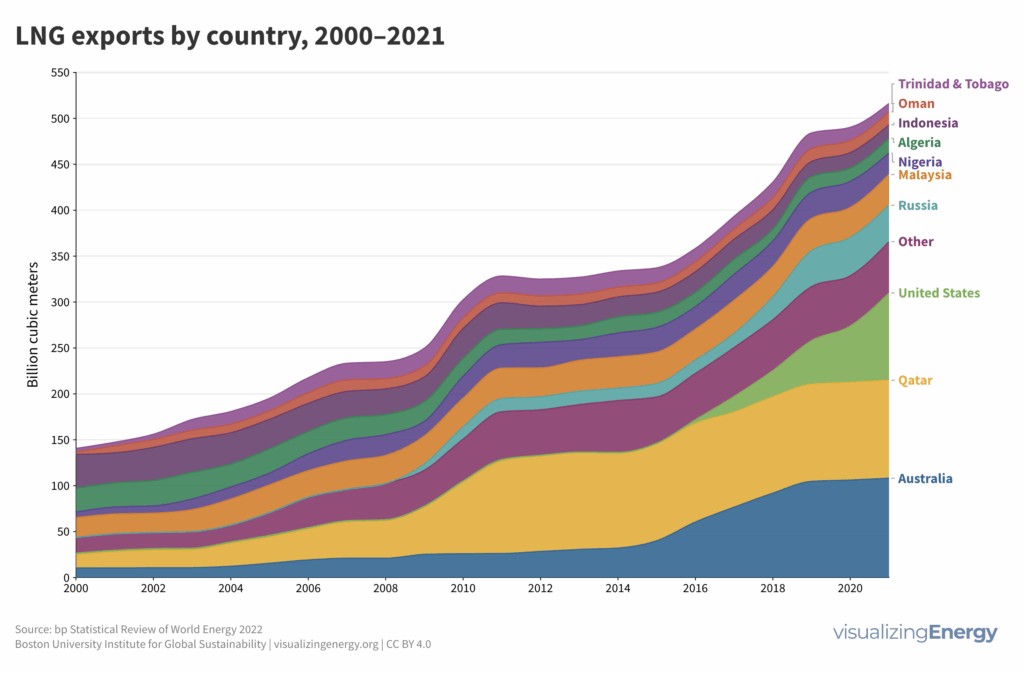
Global natural gas consumption has risen 70% from 2000 to 2022, fueled by economic growth and coal-to-gas transition. Hydraulic fracturing in the US has played a major role. Liquefied natural gas (LNG) enables long-distance shipping, but presents climate and energy justice challenges.
Long run consumption and price of energy services in the United Kingdom
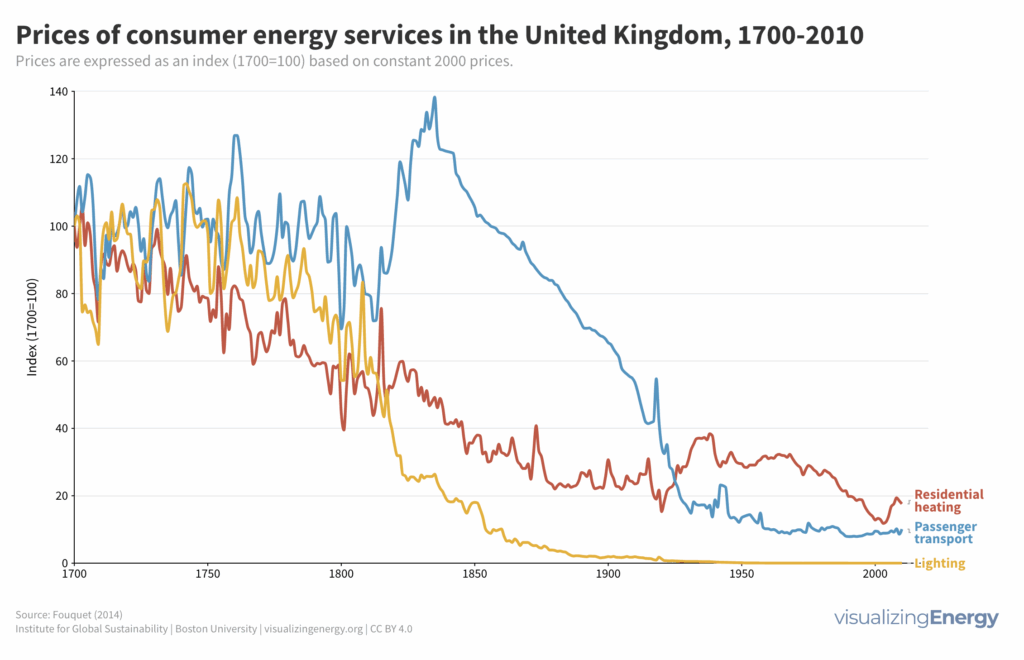
Roger Fouquet’s research on the United Kingdom highlights the remarkable growth in energy consumption over centuries. Factors like fuel shifts, improved efficiency, and changing preferences drove the increases. However, efficiency gains led to the rebound effect, where saved energy was partly offset by increased consumption.
What do public expenditures say about a country’s energy priorities?
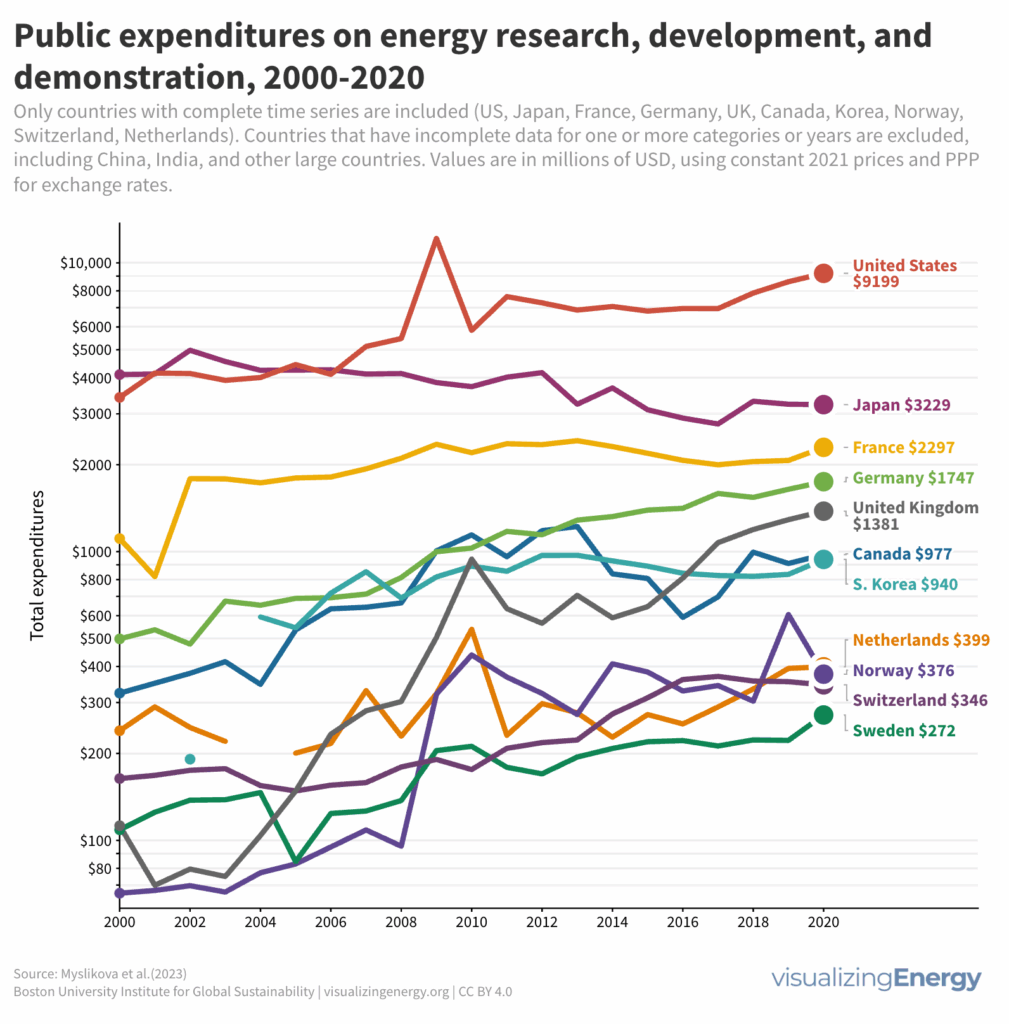
The world energy system is experiencing seismic shifts, with a rapid expansion of low-carbon fuels and energy efficiency. However, fossil fuels still dominate investments despite the need to reduce greenhouse gas emissions. Different countries prioritize energy RD&D in diverse ways, and state-owned enterprises play a significant role.
Bitcoin’s energy and carbon footprint
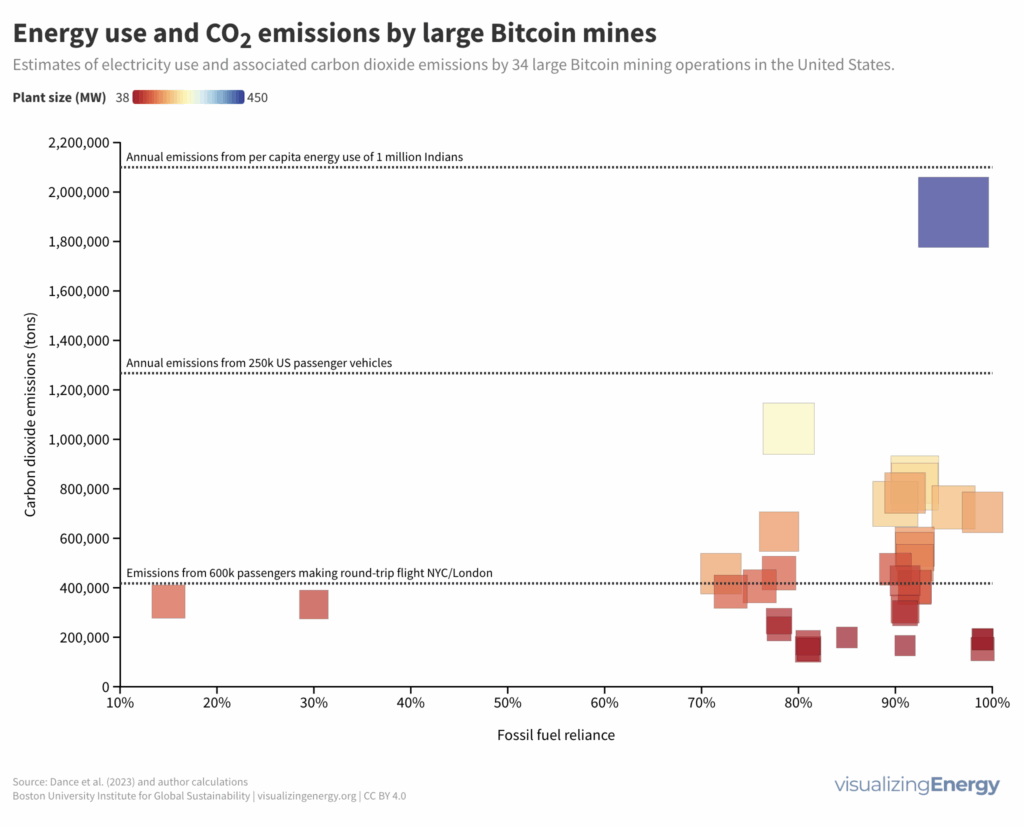
Cryptocurrencies like Bitcoin rely on blockchain technology and crypto mining, which consume massive amounts of electricity and have significant carbon footprints. The lack of transparency and regulation in the industry raises concerns about the economic, social, and environmental costs associated with crypto mines.
Is U.S. Department of Energy spending aligned with the nation’s needs?

The United States government has a long history of supporting energy-related research and development (RD&D). However, federal support for civilian energy RD&D has declined significantly since the creation of the Department of Energy (DOE). Recent spending decisions prioritize fossil fuels over clean energy, hindering efforts to address the carbon problem and decarbonize our society.
Explore world solar power capacity added in 2020

In 2020, 437 new solar electricity projects worldwide added a total capacity of 38,941 MW. The largest project was the 1348 MW Karapınar YEKA-1 solar farm in Turkey. Asia, North America, and Europe were the main contributors to solar capacity, with China leading with 23% of the global additions.