
Where are people most exposed to particulate matter?
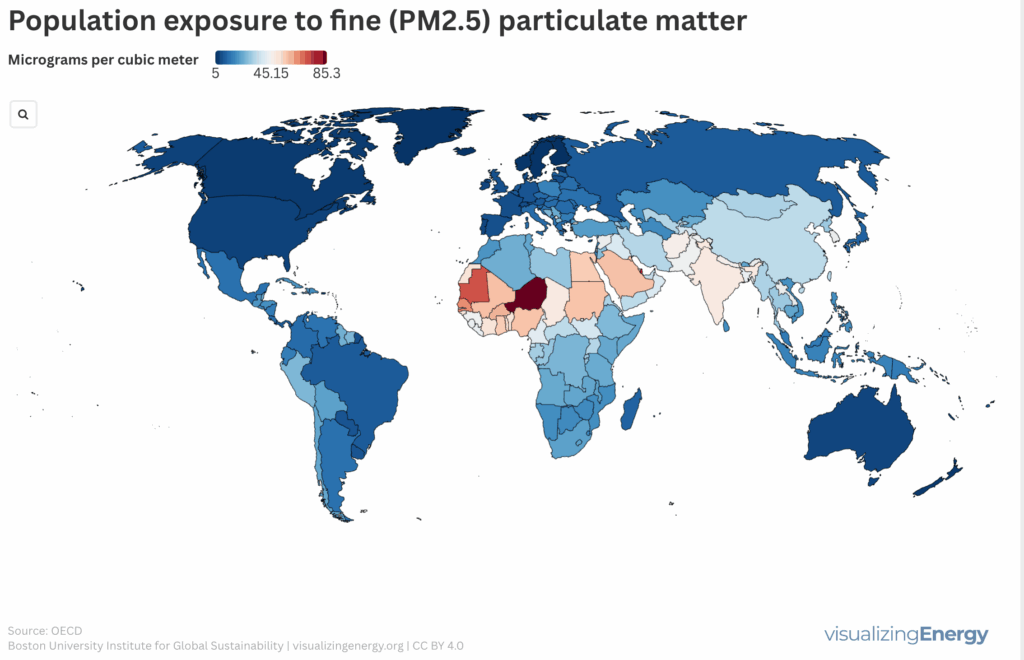
Airborne particulate matter (PM2.5) comprises tiny particles that pose significant health risks, including heart disease and lung cancer. Major sources include natural events and human activities, with notable geographic variations. Reductions in PM2.5 levels have been observed in affluent regions, but exposure remains high in countries like China and India, impacting public health.
Is shared prosperity connected to per capita energy use?
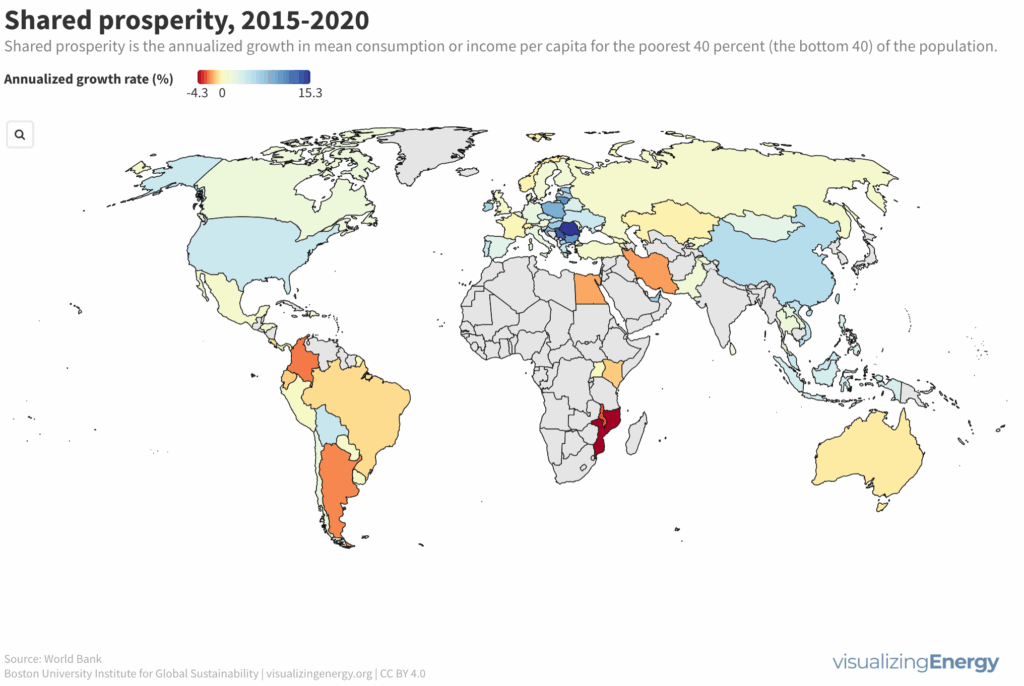
Shared prosperity measures economic growth inclusiveness, focusing on the income growth of the poorest compared to the overall population. It reduces poverty and inequality and is relevant even in high-income countries. Energy use can impact shared prosperity, but other factors like social safety nets and education also play a crucial role.
Where do people lack access to electricity?
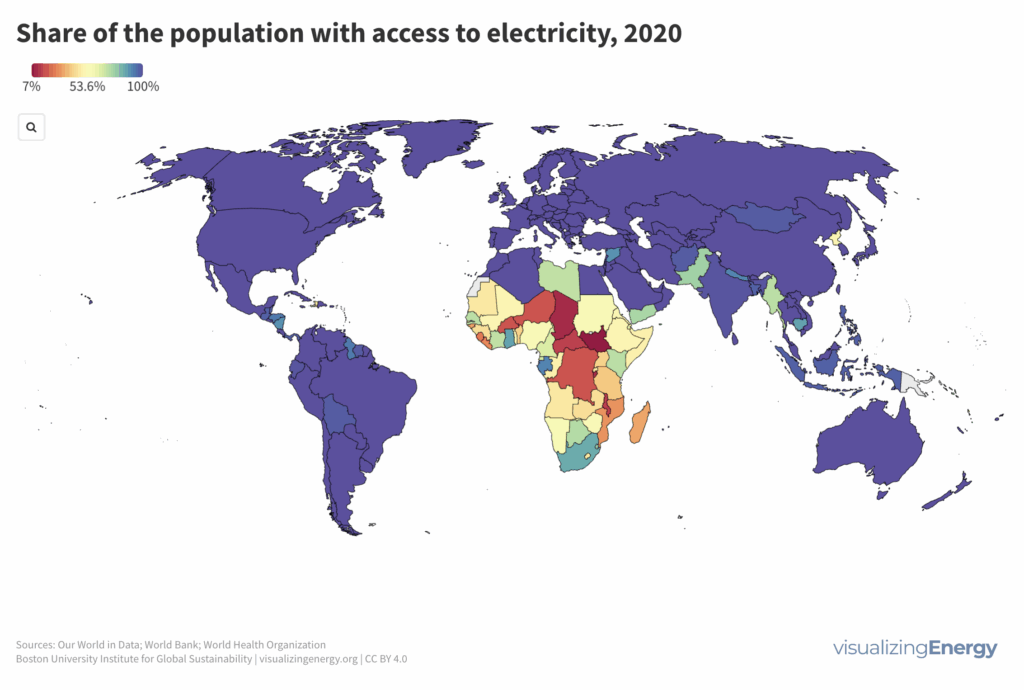
The United Nations’ 17 Sustainable Development Goals (SDGs) include SDG7, which aims to ensure affordable and sustainable energy for all. The share of global population with access to electricity has increased to 90% in 2022, yet around 800 million people are still without access, mostly in sub-Saharan Africa. Various factors influence access to electricity, impacting income and well-being.
Where do people have access to clean cooking?
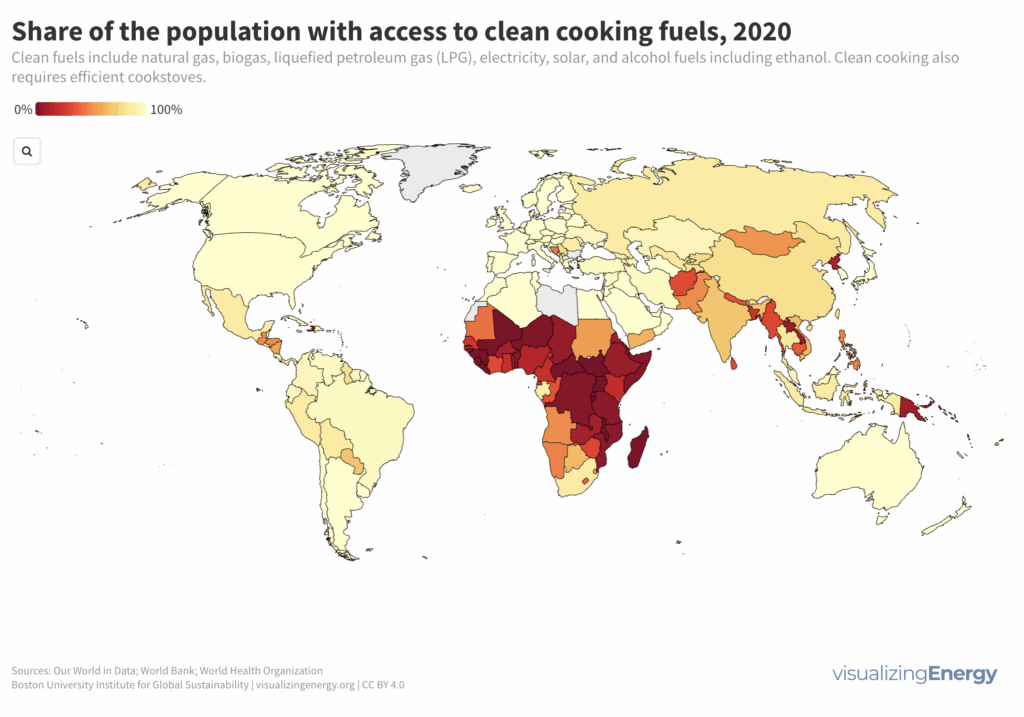
The transition to clean energy brings life-changing benefits like clean cooking services. Clean cooking uses gaseous fuels and electricity, reducing harmful emissions. However, 2.3 billion people still use polluting fuels, leading to millions of deaths annually. Access to clean cooking varies by country income and location. While global access has increased, challenges remain in many countries.
What makes a cooking fuel “clean?”
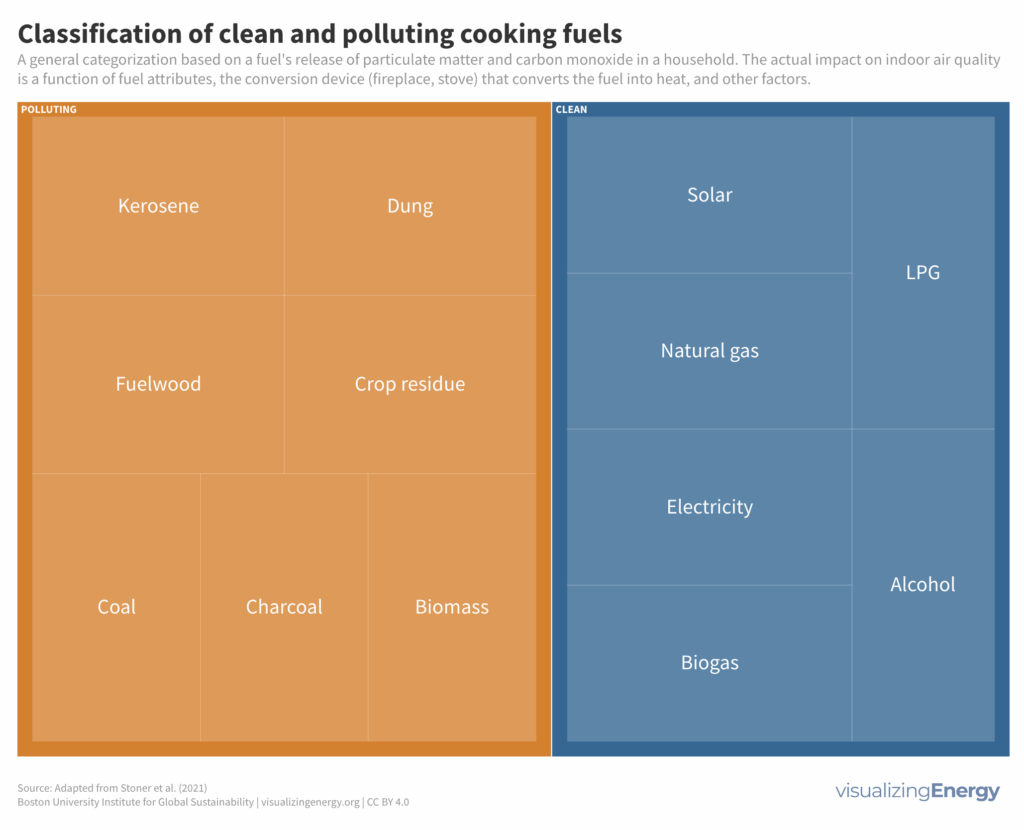
The United Nations established 17 Sustainable Development Goals (SDGs) to address poverty, health, education, inequality, economic growth, climate change, and environmental conservation. SDG 7 focuses on providing affordable, sustainable, and clean energy for all. The World Health Organization sets benchmarks for “clean” cooking, favoring efficient and low-emission technologies while discouraging the use of polluting fuels.
Which U.S. cities prioritize justice in climate action?
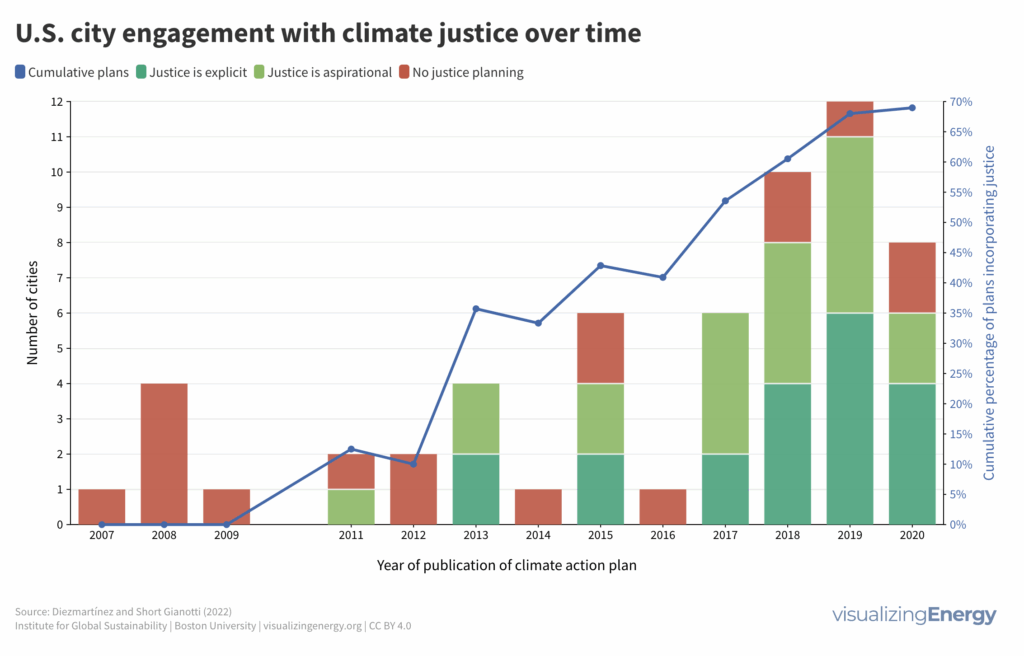
Climate justice recognizes the responsibility of the wealthy for climate change, which disproportionately impacts the vulnerable. Urban climate action plans are increasingly addressing justice, but some cities still lack such plans. Larger cities tend to prioritize justice more, and sectors like energy efficiency and clean energy receive greater attention. More efforts are needed to achieve just and inclusive urban climate transitions.
Does more energy use lead to greater life satisfaction?
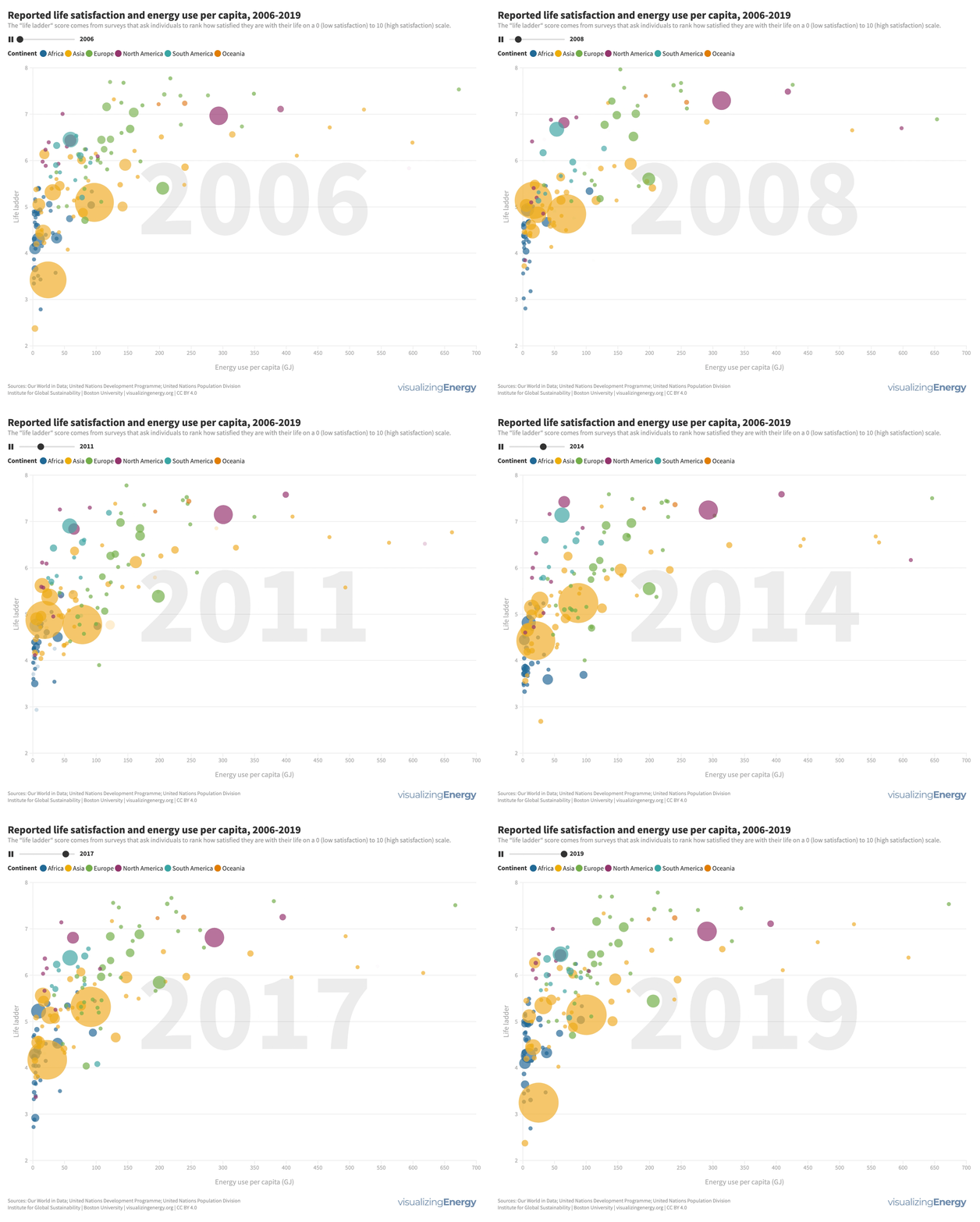
While higher incomes generally lead to greater life satisfaction, it’s not a guarantee. People in countries with high life satisfaction tend to use more energy, which can enhance comfort and mobility. Modest increases in energy use can significantly improve life satisfaction, but there are diminishing returns at higher levels.
Health impacts from oil and gas production in the United States
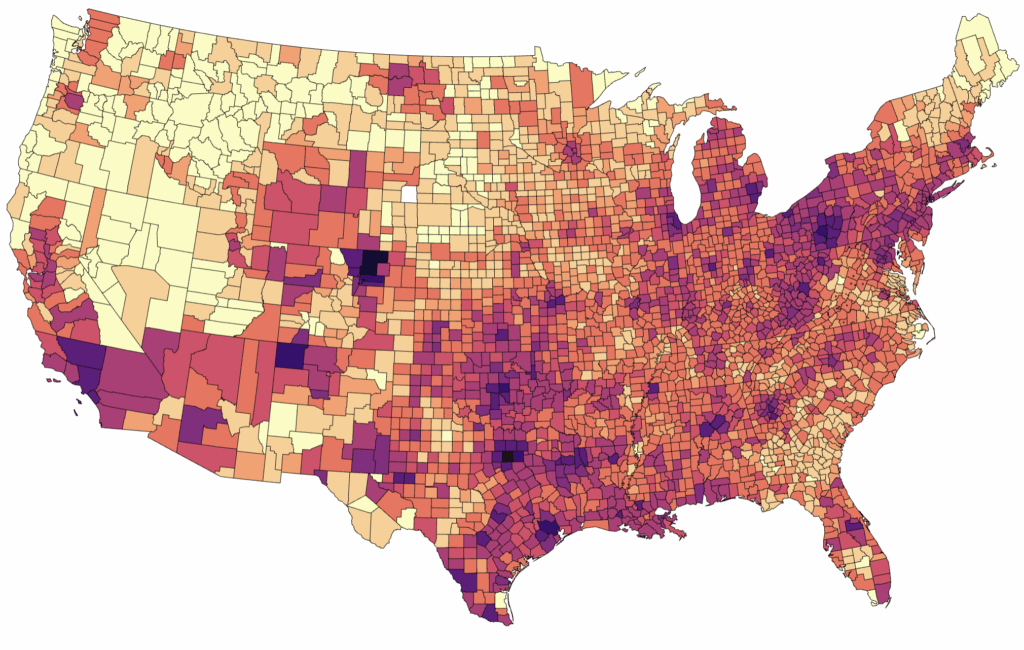
Oil and gas activities contribute to significant air pollution, resulting in adverse health effects and economic costs. Emissions from drilling, production, and transportation release pollutants that are linked to asthma, heart attacks, and premature deaths, especially impacting vulnerable populations. Addressing these emissions is crucial for protecting public health, mitigating economic burdens, and implementing comprehensive policies to reduce air pollution from the oil and gas industry.
What are the connections among fuel poverty, time poverty, and gender equity?
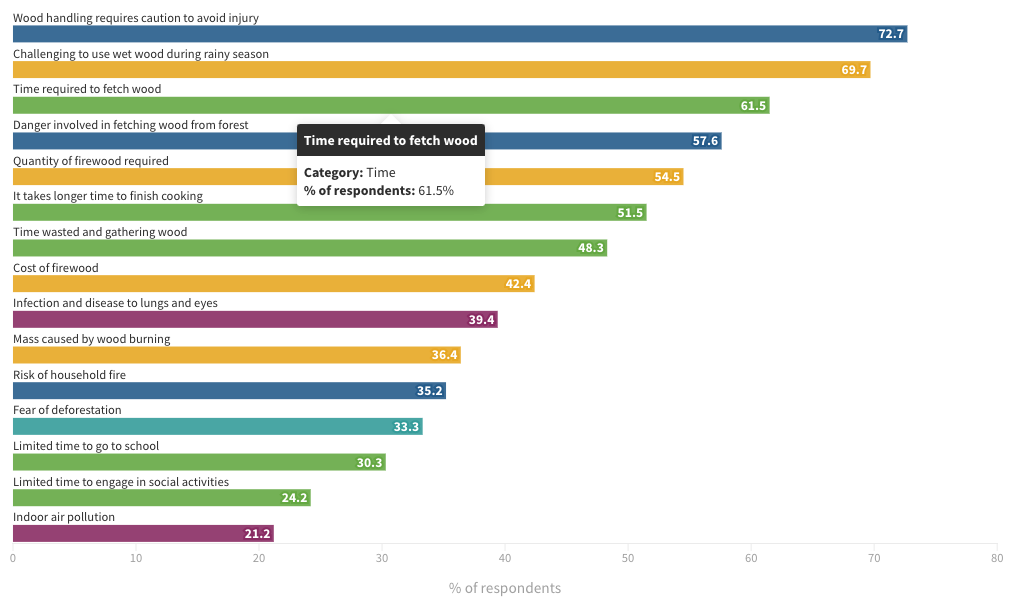
Access to clean cooking fuels is crucial for gender equity and poverty alleviation. Currently, billions of people lack safe and affordable energy sources for cooking. Women and girls bear a disproportionate burden in collecting and processing polluting fuels, affecting their well-being and opportunities. Clean cooking energy reduces cooking time, allowing women to engage in other activities like childcare, work, and household chores.
Where in Europe do people struggle to stay warm?
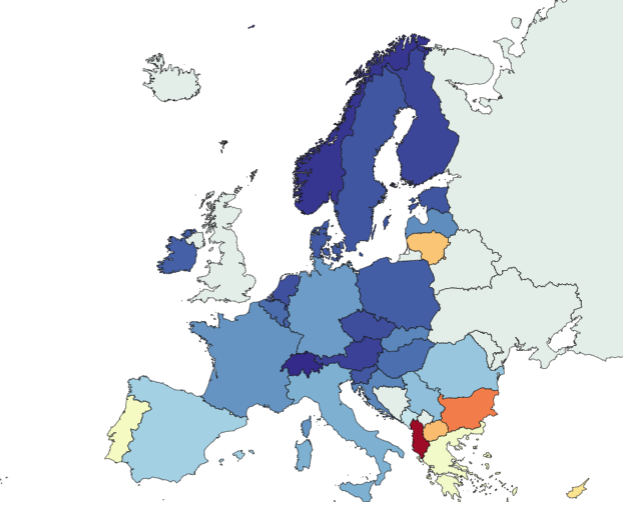
In Europe, energy insecurity affects 8% of the population, with some countries facing higher rates of thermal discomfort. Milder winters due to climate change have improved overall energy security, but about 35 million people still struggle to stay warm. Germany, Spain, Italy, and France have a significant number of individuals affected.