
Why is hydrogen assigned different colors?
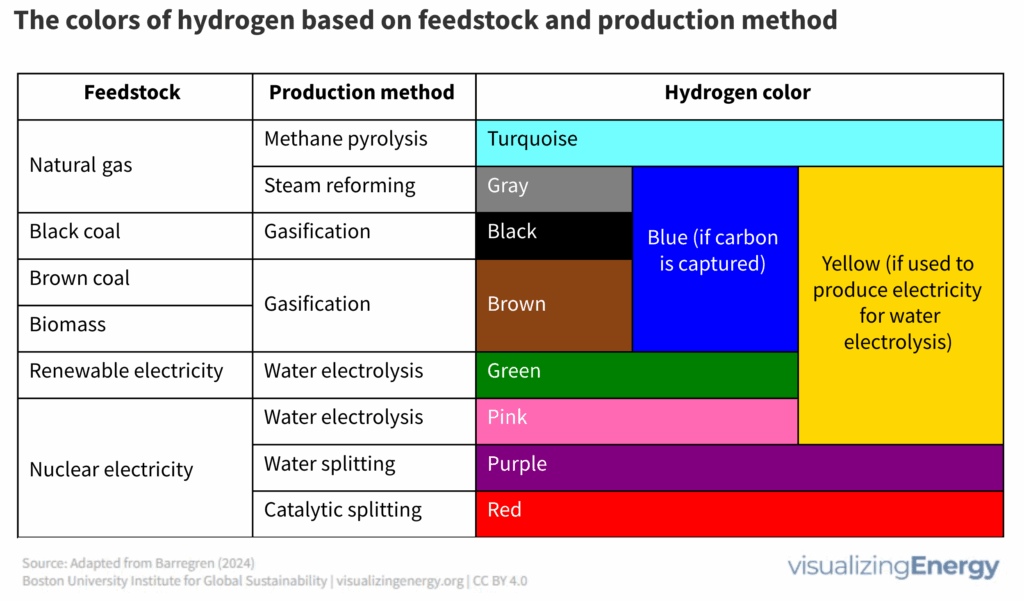
In 1875 the French Novelist Jules Verne published The Mysterious Island in which the protagonist Cyrus Smith envisioned a solution to the perceived inevitable exhaustion of coal: “Water, decomposed into its primitive elements, by electricity. (…) I believe that water will one day be employed as fuel, that hydrogen and oxygen which constitute it, used […]
Non-energy uses of fossil fuels
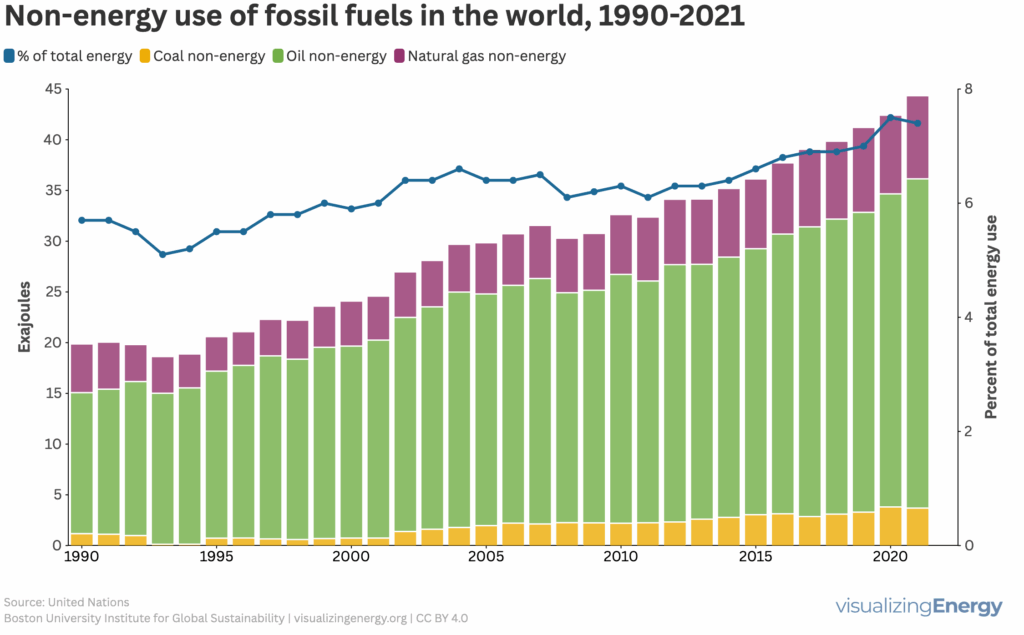
Fossil fuels are most thought of in terms of the energy services they provide: petroleum-derived fuels in transportation, natural gas for heating, and coal for electricity generation. But fossil fuels are consumed—but not combusted—when used as construction materials, chemical feedstocks, and many other non-energy products. About eight percent of fossil fuels used worldwide are for […]
Fuel energy density: What is it and why is it important?
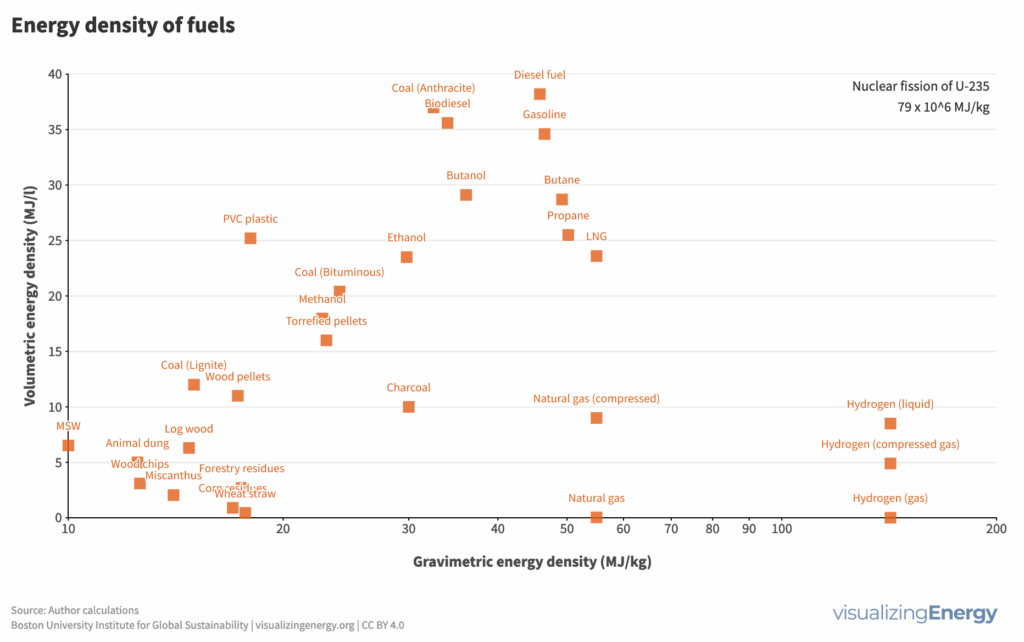
Fuels like wood, diesel, and natural gas have shaped human energy history, driven by technological, economic, and environmental forces. Liquid fuels from oil, with their high mass and volumetric energy density, led to their supremacy in transportation. Shifts in fuel types also influence the devices that convert them into energy services.
Is the reserve-to-production ratio for fossil fuels a meaningful indicator?
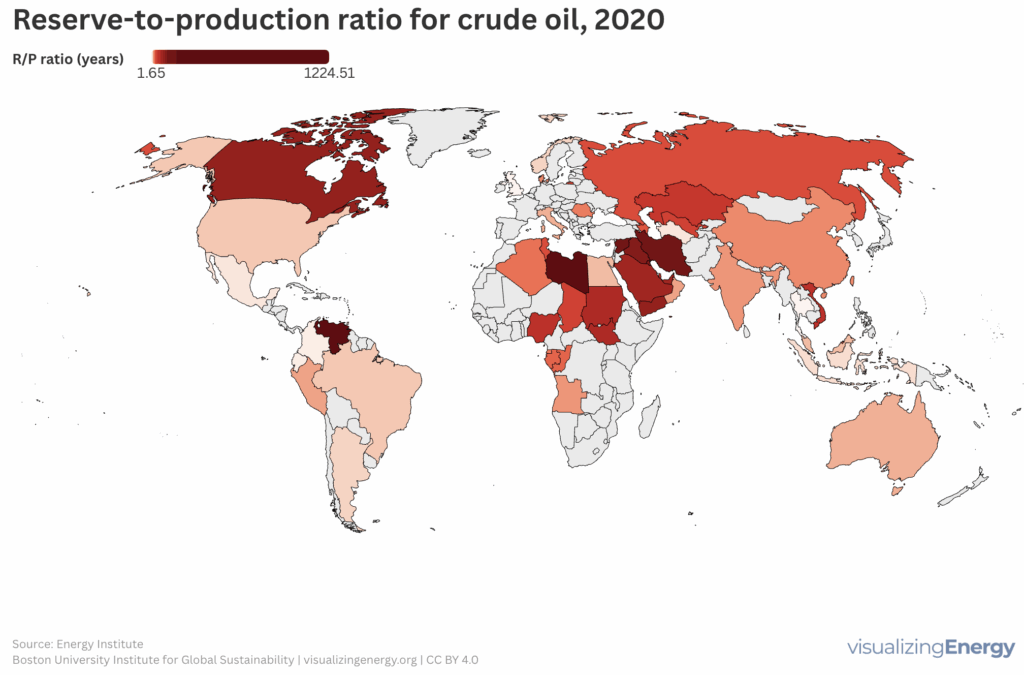
The reserve-to-production (R/P) ratio calculates the lifespan of fossil fuel reserves based on production rates. In the U.S., regulatory frameworks affect reserve reporting, with oil R/P ratios declining from over 40:1 in the early 20th century to about 10:1 today. State-owned enterprises often inflate reserves, complicating future availability assessments.
Global natural gas flaring, 2012-2023
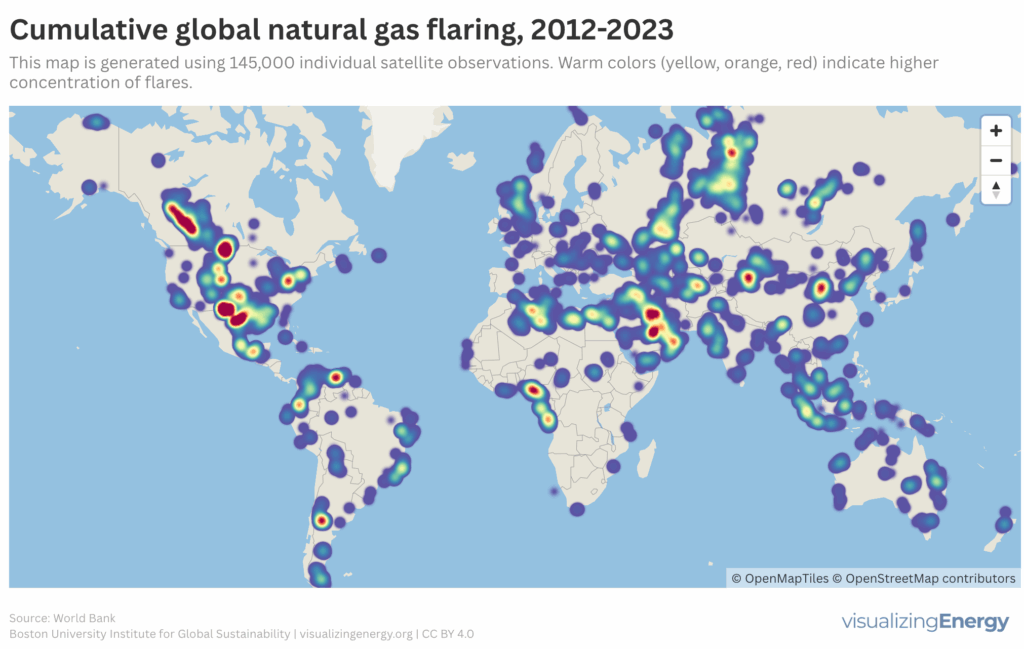
Crude oil and natural gas often coexist in reservoirs, leading to natural gas flaring when oil is extracted. This process not only wastes energy but also contributes significantly to global methane emissions. Despite initiatives like the Zero Routine Flaring by 2030, flaring volumes remain high, particularly in nine major countries responsible for the majority.
Oil and chemical releases into United States waters
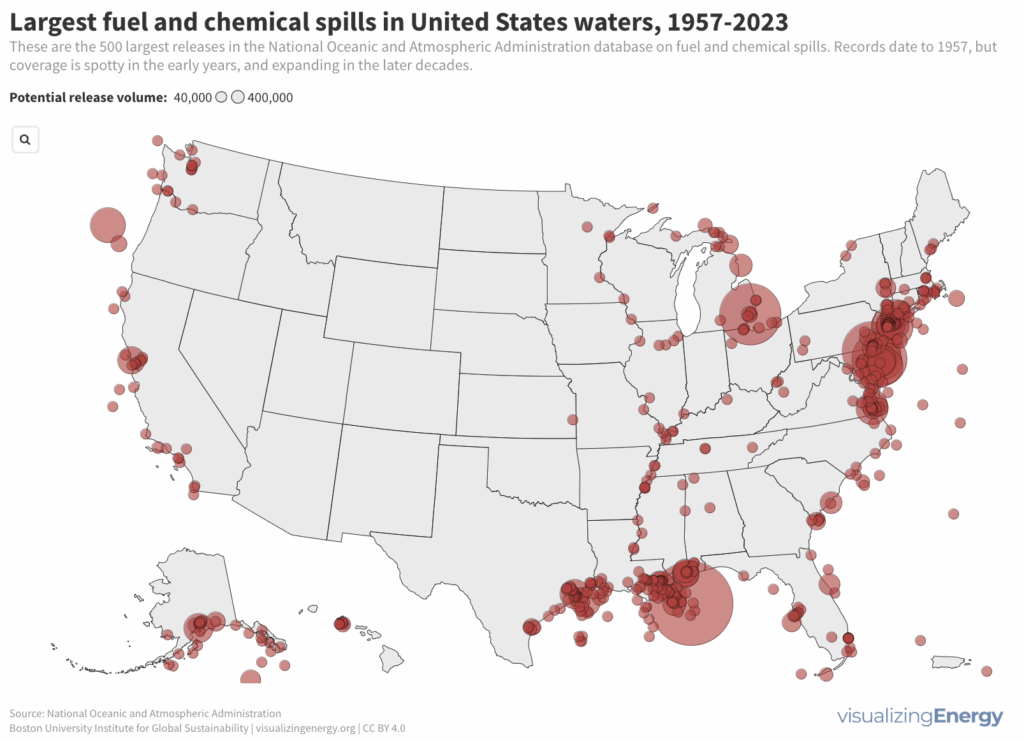
Crude oil and natural gas are refined into numerous fuel types and petrochemicals, contributing to over 6000 consumer products. However, extraction and processing lead to significant accidents, with approximately 4600 incidents reported since 1957, primarily affecting rivers and coastal areas due to industrial activities and transportation routes, highlighting environmental hazards.
Where are the gasoline superusers in the United States?
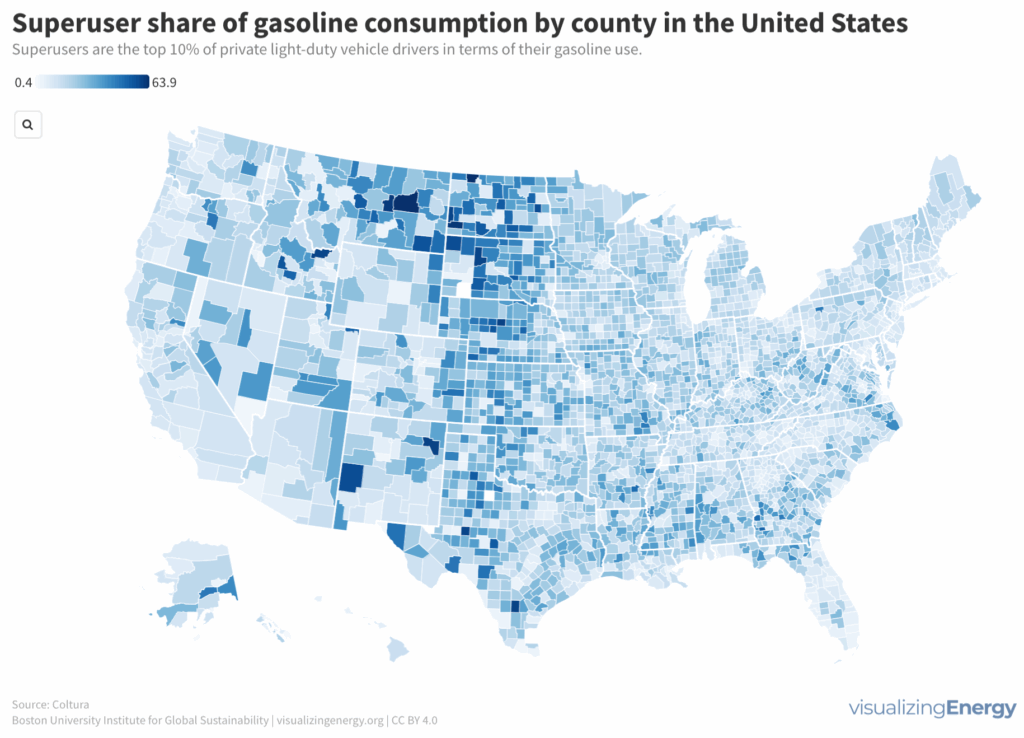
In 2023, US drivers consumed 376 million gallons of gasoline daily, with superusers accounting for 35% of usage. Rural areas have more superusers, spending 10.2% of their income on gasoline. They also tend to drive larger, less fuel-efficient vehicles. Electric vehicle policies targeting superusers could reduce energy burdens and emissions, benefiting low-income households.
Explore the world’s coal transportation terminals in 2022
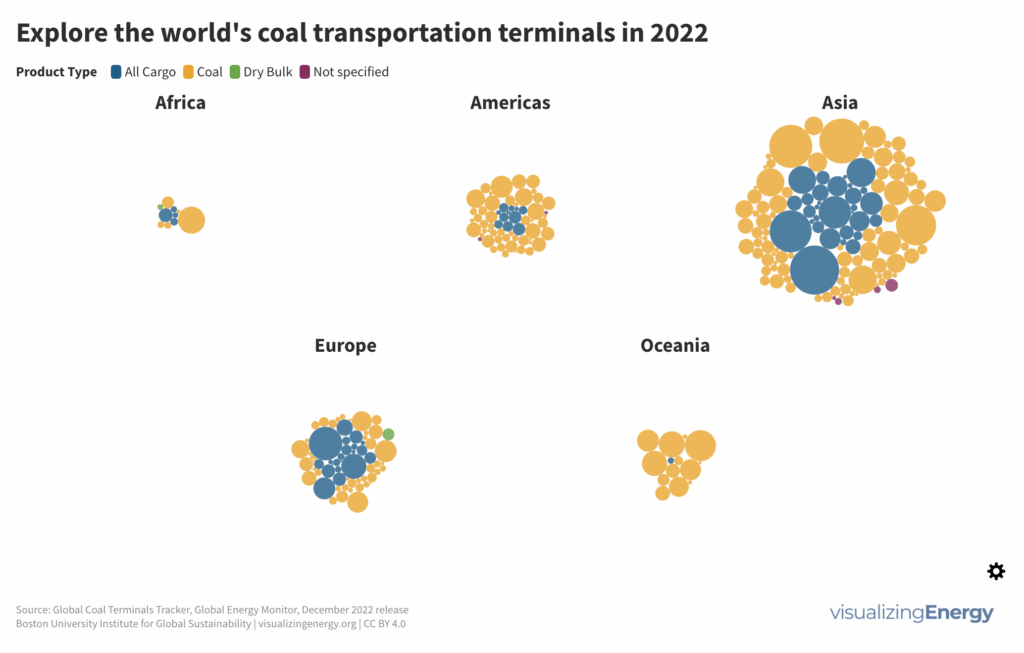
In recent years, 15 to 20% of global coal consumption came from traded coal. The import and export of coal rely on specialized infrastructure known as coal terminals, located near mines or strategic coastal areas. These facilities facilitate the efficient transportation of coal between various modes like ships, trains, and trucks.
Where are coal power plant projects being cancelled?
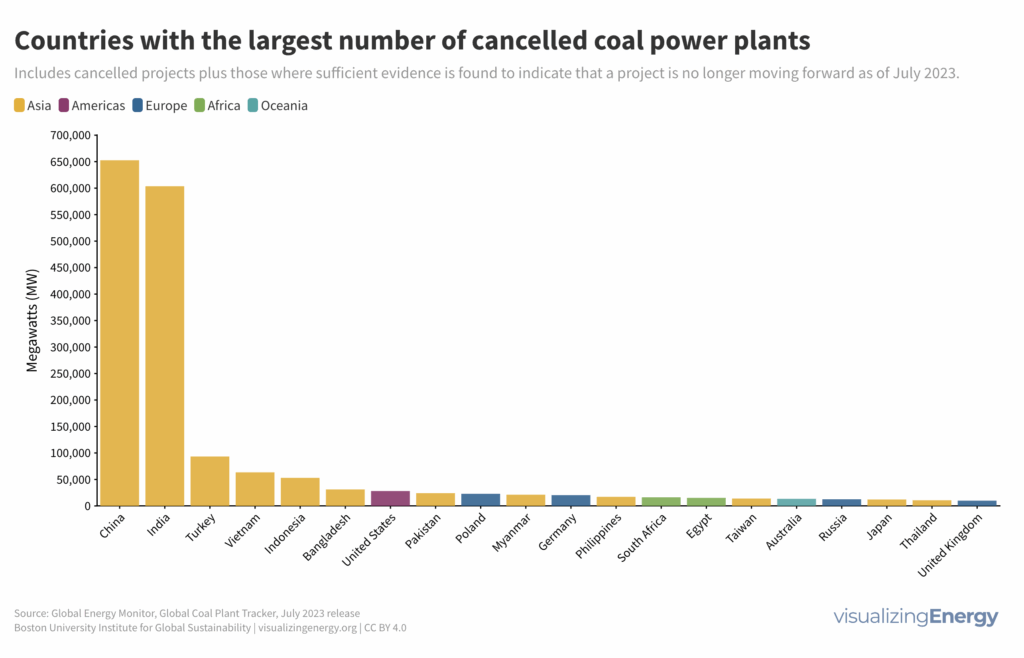
The coal power plant industry’s state is reflected in cancellations and shelved projects, concentrated in Asia (e.g., China, India). China’s paradoxical coal investment includes building new capacity and decommissioning old plants due to renewable energy growth. In the U.S., 23% of coal capacity will retire by 2029 due to competition from natural gas and renewables.
The history of oil production in the United States
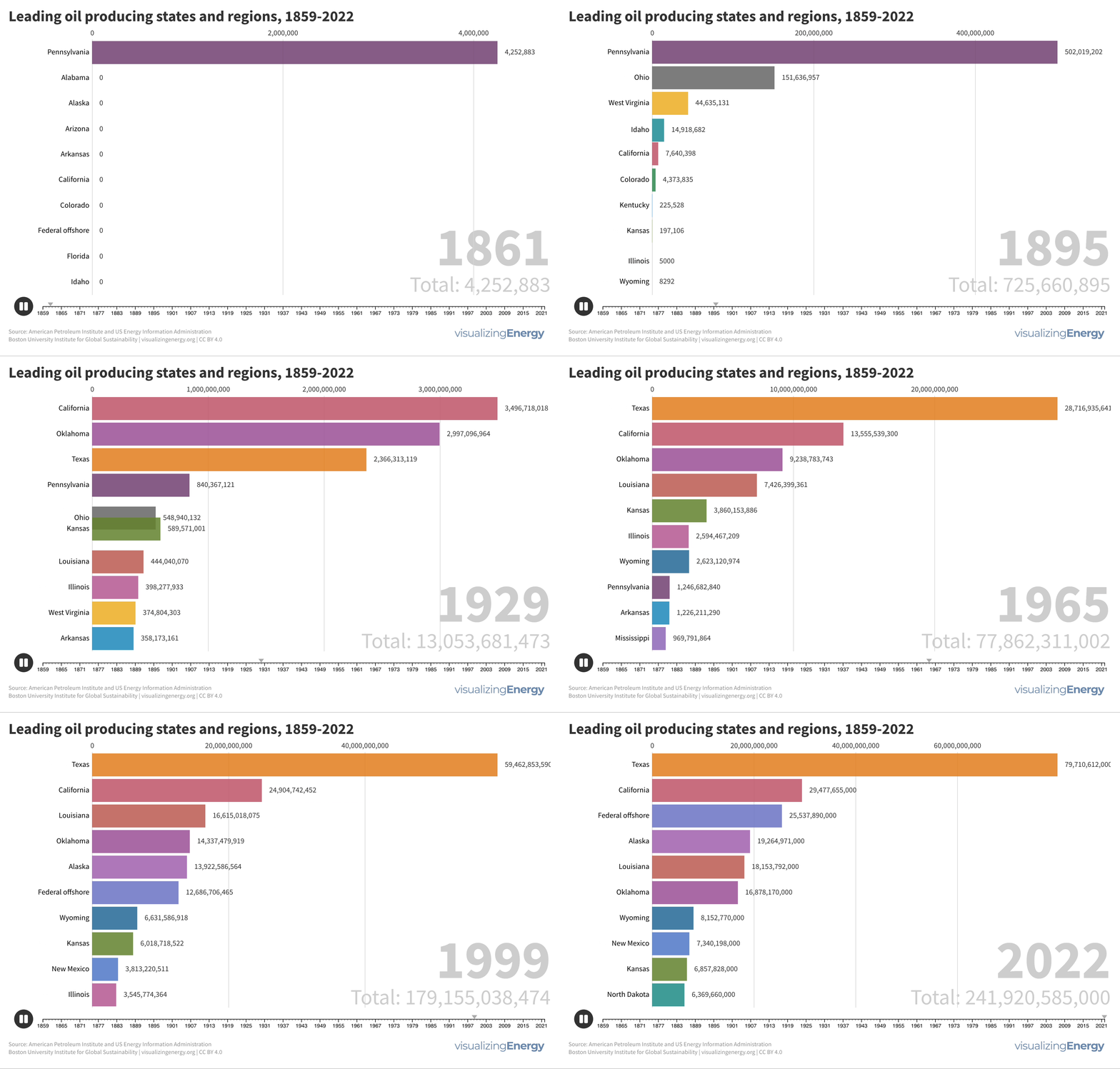
The United States has played a significant role in global oil production, contributing 17% since 1900, with Texas being a major player, accounting for one-third of the nation’s oil production. Technological advancements like hydraulic fracturing and horizontal drilling led to record U.S. oil production in the 2010s, making the country the world’s largest oil producer and a net oil exporter.